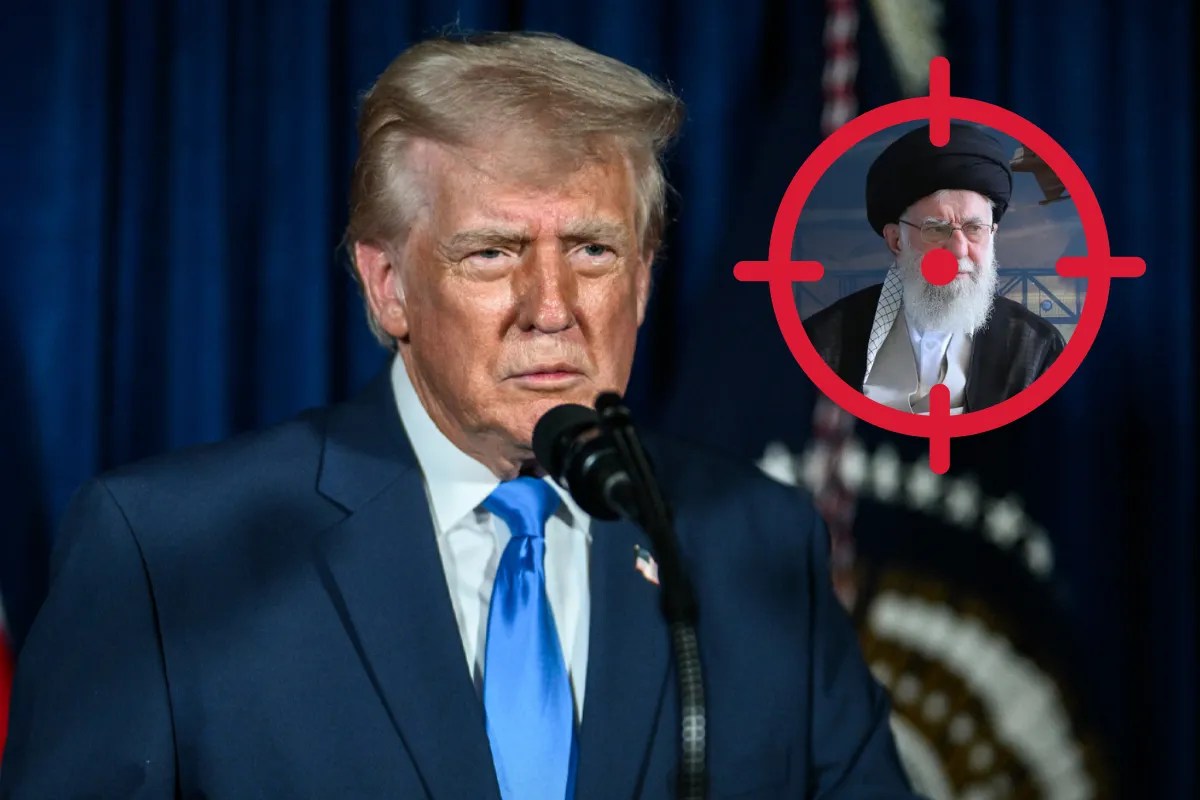
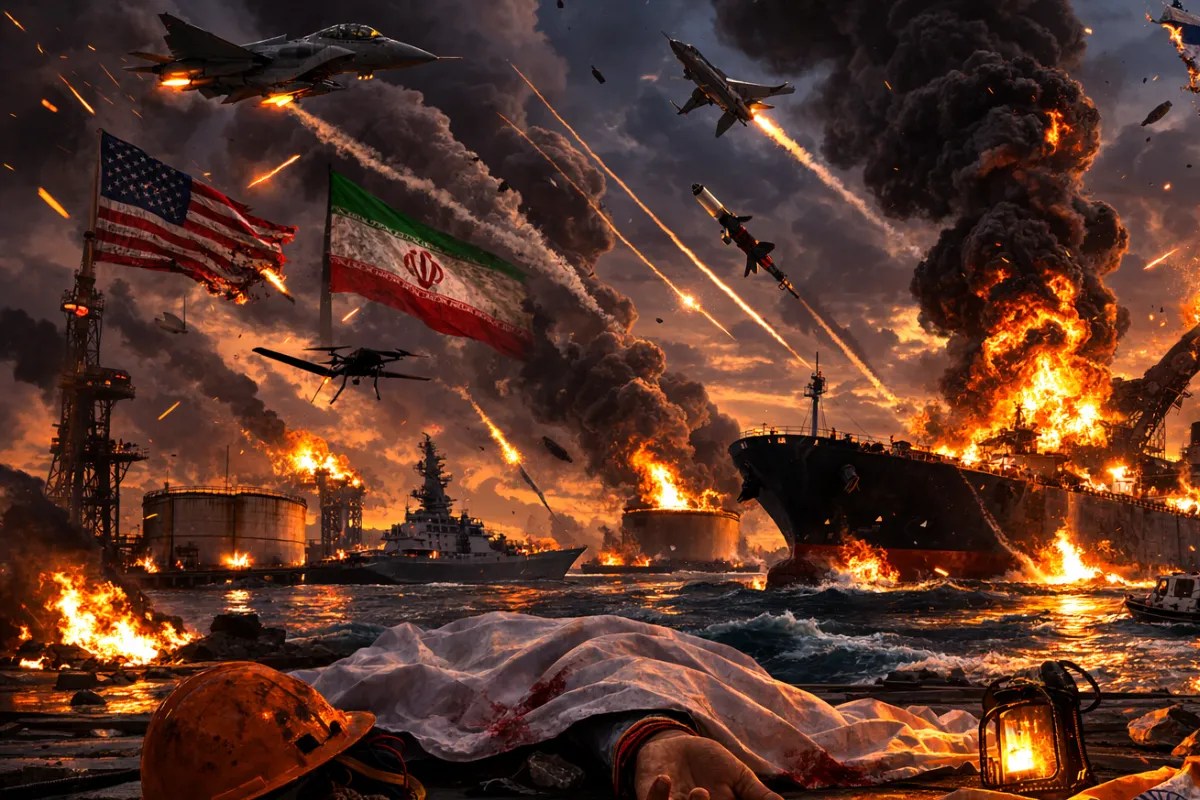
The recent strike on a girls’ school in Iran is being processed through the same tired, moralistic machinery that has failed for seventy years. Pundits are currently clutching their copies of the Geneva Conventions, asking if international law still matters. They are asking the wrong question. They are operating under the delusion that international law is a set of rules, like a criminal code or a local ordinance. It isn't. It is a language—one that the West speaks fluently, but our adversaries only use to mock us.
If you think a treaty signed in a gilded room in 1949 can stop a drone launched in 2026, you aren’t paying attention. You are mistaking a polite suggestion for a physical barrier.
The Sovereign Immunity Trap
The core fallacy of the "International Law Matters" crowd is the belief in a global referee. There is no referee. There is only a group of players, some of whom have decided to play soccer while the others are playing MMA. When a state actor targets a school, they aren't "breaking the law" in any meaningful sense because there is no enforcement mechanism with the teeth to bite back without sparking a third world war.
We treat the UN Charter like a holy relic. In reality, it’s a gentleman’s agreement between powers that no longer exist in their 1945 form. The "rule-based international order" is a branding exercise for Western hegemony that has lost its market share. When we cite the law to condemn an atrocity, we think we are exerting pressure. We are actually signaling our own paralysis. We are telling the aggressor exactly what we won't do: act outside the narrow, self-imposed constraints of a system they don't recognize.
The Asymmetry of Compliance
I’ve spent a decade analyzing geopolitical risk for firms that lose billions when "international law" fails. Here is the brutal truth: law only works when both sides are terrified of the consequences.
Currently, the West is the only entity terrified of the consequences. We hold hearings, we conduct internal investigations, and we neuter our own strategic advantages to stay "compliant." Meanwhile, decentralized actors and revisionist states view our compliance as a tactical vulnerability to be exploited.
- The Compliance Tax: Western nations spend billions on precision-guided munitions and legal review teams to ensure "proportionality."
- The Chaos Dividend: Our adversaries spend a fraction of that on cheap, "dumb" munitions and human shields, knowing our own legal frameworks will prevent us from responding effectively.
By adhering to a 20th-century legal framework in a 21st-century theater of gray-zone warfare, we aren't being "moral." We are being predictable. And in warfare, predictability is a death sentence.
Sovereignty is Not a Participation Trophy
The competitor's argument suggests that we need international law more than ever because of the school strike. That is like saying we need better fire codes while the building is actively being leveled by an earthquake. Fire codes don't stop tectonic plates.
The strike in Iran isn't a "failure" of international law. It is a demonstration of its irrelevance. The West’s obsession with "legitimacy" has become a fetish. We wait for a UN Security Council resolution that we know will be vetoed before we take meaningful action. We wait for the ICC to issue warrants that will never be served.
Imagine a scenario where a tech company waited for a consensus from its competitors before launching a defensive cybersecurity patch. They would be bankrupt in a week. Yet, we run global security on this exact model.
The Myth of Universal Values
The "International Law" industry is built on the arrogant assumption that Western liberal values are the default setting for humanity. They aren't. Many of the powers currently reshaping the globe view the Geneva Conventions as a historical curiosity—a set of rules written by colonial powers to keep their former colonies in check.
When we scream about "human rights violations" at a school in Iran, we are speaking a dialect that the people pulling the triggers don't value. To them, the law is just another weapon. They use it when they want to play the victim on the global stage, and they ignore it when they want to project power. This isn't a "gap in the system." This is the system working exactly as intended for those who don't care about our approval.
Stop Trying to Fix the Law (Do This Instead)
We need to stop trying to "strengthen" international institutions that are structurally designed to be weak. You cannot "fix" the UN Security Council because the veto power is not a bug; it's the primary feature. It was designed to prevent the big powers from killing each other, not to protect civilians in proxy wars.
Instead of chasing the ghost of global consensus, we need a strategy of Functional Minilateralism.
- Ditch the Global Umbrella: Stop trying to get 193 countries to agree on what constitutes a "war crime." They won't. Focus on smaller, high-trust coalitions with shared values and, more importantly, shared skin in the game.
- Weaponize Economics, Not Paper: The ICC is a paper tiger. If you want to stop school strikes, you don't issue a legal brief; you disconnect the aggressor's central bank from the global grid and seize every asset held by the decision-makers' families in London, Paris, and New York. No trials. Just consequences.
- Kinetic Accountability: If a state uses a school as a target or a shield, the response shouldn't be a strongly worded letter. It should be the immediate, surgical removal of the command-and-control infrastructure that authorized the strike.
The Cost of the Moral High Ground
The downside to my approach? It’s messy. It’s "illegal" by the standards of the 1945 consensus. It risks escalation.
But look at the alternative. We have the "moral high ground," and children are still dying in classrooms. We have the "rule of law," and the rule-breakers are winning. If your "law" doesn't provide security, it isn't a law; it’s a suicide pact.
The strike on the school in Iran doesn't show why we need international law. It shows that international law is a luxury for a peaceful era that has ended. We are in a period of raw power dynamics where the only "law" that matters is the one you can enforce.
We can keep pretending the ghost in the machine will save us, or we can start dealing with the world as it actually exists. The perpetrators of these strikes aren't afraid of a judge in The Hague. They are afraid of a missile that doesn't care about their jurisdictional defenses.
Choose which one you want to rely on. You can't have both.
Stop asking if the law matters. Start asking who has the power to make it matter.