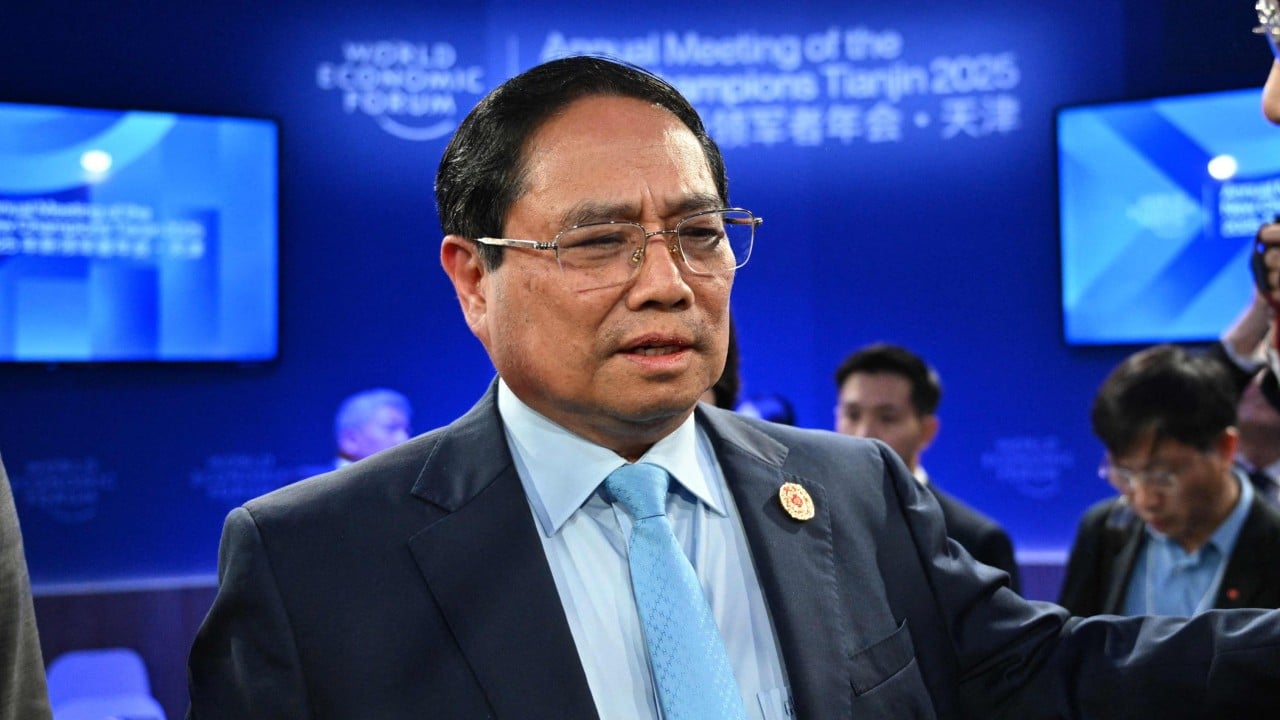
Hanoi is playing a high-stakes game of geopolitical chess where the board is on fire. Prime Minister Pham Minh Chinh’s recent trek to Moscow to solidify long-term energy contracts is not just a routine diplomatic visit. It is a desperate pivot. As Iranian oil flows face unprecedented disruption due to escalating conflict in the Middle East, Vietnam is tethering its industrial future to a Russian energy sector that is increasingly isolated and volatile. This move secures immediate fuel needs but risks dragging Vietnam into a web of secondary sanctions and diplomatic friction with its largest export market, the United States.
Vietnam needs power to survive. The country’s manufacturing sector, the engine of its economic miracle, requires a constant, cheap supply of liquefied natural gas (LNG) and crude oil. For years, the strategy was diversification. However, the sudden tightening of the Strait of Hormuz and the skyrocketing insurance premiums on Iranian-linked tankers have gutted that plan. Moscow, desperate for reliable buyers who pay in non-dollar currencies, offered a lifeline. It is a marriage of necessity, born in the heat of global instability.
The Iranian Void and the Moscow Lifeline
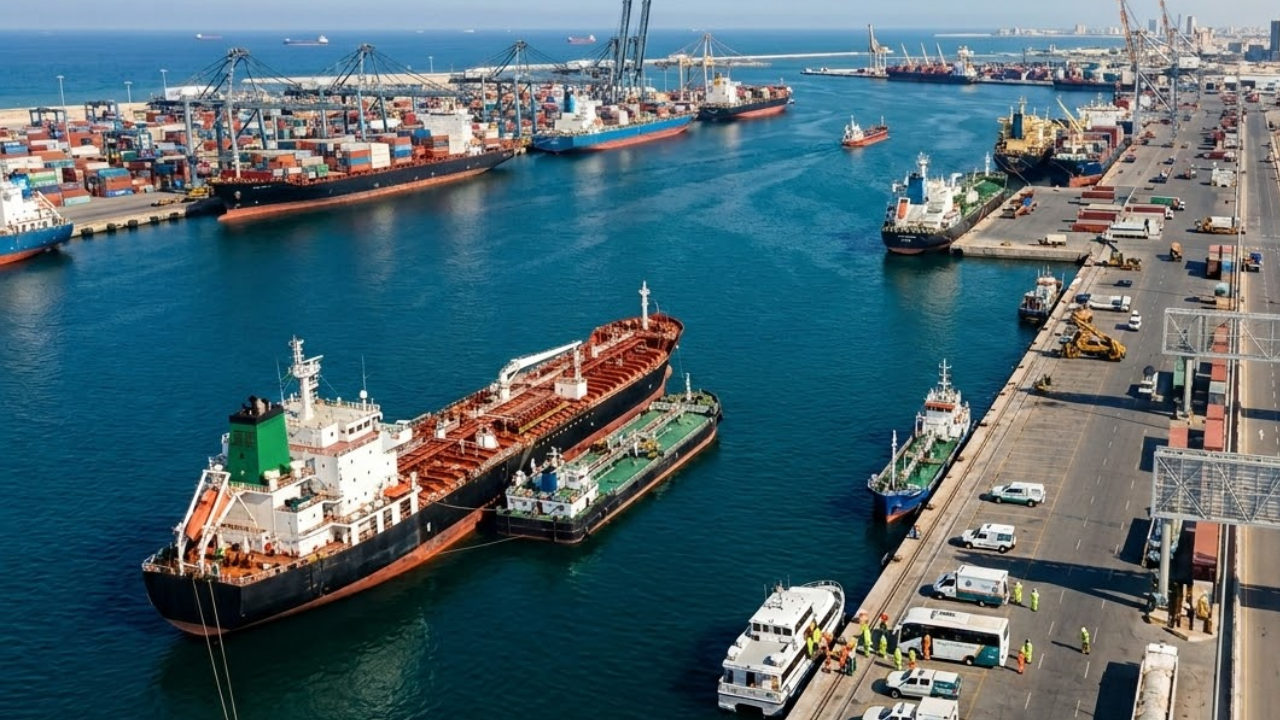
The disruption of the Iranian supply chain has left a massive hole in Southeast Asian energy markets. Vietnam had become quietly reliant on middle-men and "ghost fleet" shipments that originated in the Gulf. When the war in the Middle East intensified, those channels became too expensive or too dangerous to maintain. The logistics of moving oil through a combat zone are brutal. Freight rates tripled in a matter of weeks.
Russia stepped into this vacuum with aggressive pricing. By offering Ural crude and Siberian gas at significant discounts, Moscow is not just selling energy; it is buying loyalty. The deal signed this week involves expanding the Vietsovpetro joint venture and securing new exploration blocks in the South China Sea. On paper, it looks like a win for Hanoi’s energy security. In reality, it is an invitation for Western regulators to start looking very closely at Vietnamese bank accounts.
The Sanctions Trap
Navigating the current international financial system while shaking hands with the Kremlin is like walking through a minefield in the dark. The U.S. Treasury Department has already shown it is willing to penalize third-party firms that facilitate Russian energy exports above the price cap. Vietnam’s banking sector is particularly vulnerable. Most Vietnamese banks rely on the SWIFT system and maintain deep ties with American financial institutions.
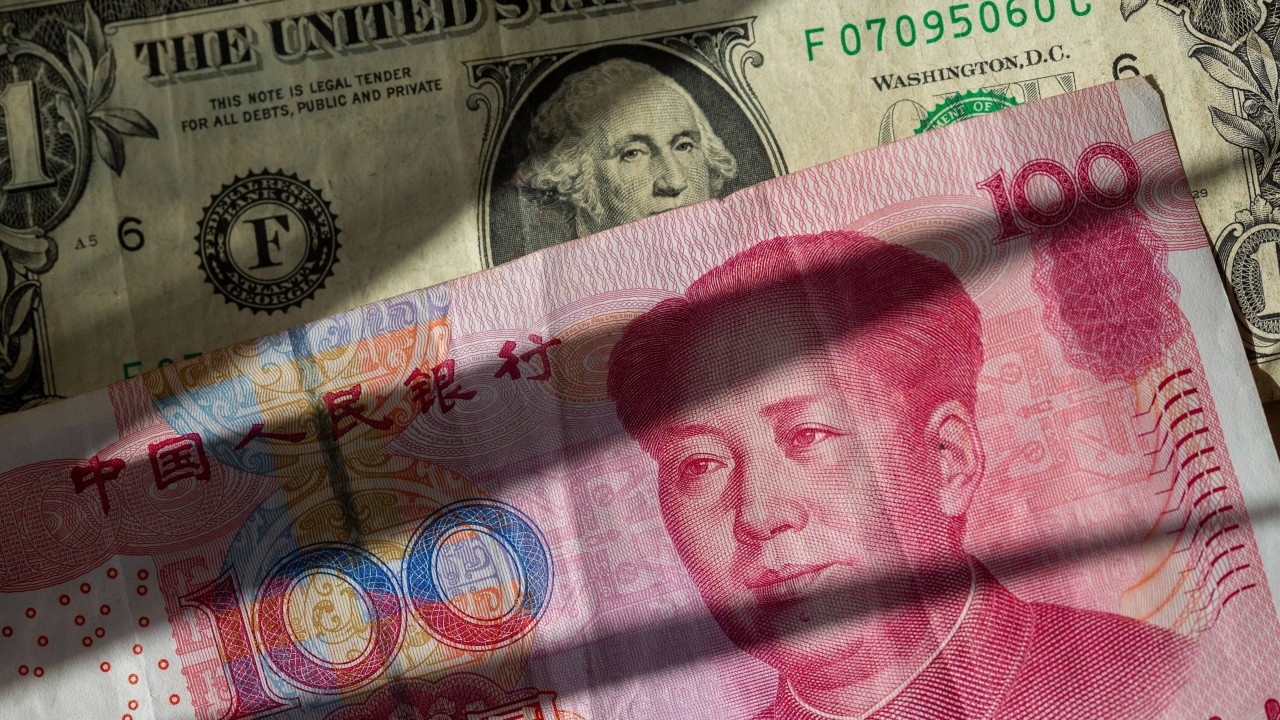
If Hanoi uses its state-owned banks to settle these new Russian deals, it risks being cut off from the dollar-clearing system. This would be catastrophic. Vietnam’s economy is built on selling electronics and textiles to the West. You cannot run a global export powerhouse if your banks are blacklisted by the U.S. Treasury. The government is reportedly exploring "alternative payment mechanisms"—a euphemism for barter trade or using the Chinese Yuan—but these methods are clunky, inefficient, and carry their own set of political baggage.
Sovereignty and the South China Sea
There is a deeper, more cynical layer to this energy pact. Russia has been Vietnam's traditional defense partner for decades. By inviting Russian firms back into the South China Sea for oil and gas exploration, Vietnam is trying to create a human shield against Chinese maritime aggression. The logic is simple: Beijing is less likely to harass a drilling rig if it flies a Russian flag.
However, this logic is fraying. The "no limits" partnership between Vladimir Putin and Xi Jinping has changed the math. Moscow is now the junior partner in its relationship with Beijing. If China decides to push its claims in the Vanguard Bank, there is no guarantee that Russia will stand up for Vietnam’s sovereign rights. In fact, we have already seen instances where Russian companies quietly backed away from Vietnamese projects under pressure from Chinese authorities. Hanoi is relying on a protector that might already be compromised.
The Infrastructure Bottleneck
Even if the politics were simple, the physics are not. Vietnam lacks the massive regasification infrastructure needed to fully replace Middle Eastern supply with Russian LNG overnight. Building these terminals takes years and billions of dollars in capital. Much of that capital was expected to come from international development banks or Japanese investors.
Those investors are now spooked. They see a country tying its energy grid to a pariah state and they are pulling back. This creates a feedback loop. As Western capital retreats, Vietnam becomes even more dependent on Russian and Chinese state-backed financing. The result is a loss of agency. When you only have one or two lenders, you don't get to negotiate the terms of your own development.
The Manufacturing Fallout
Foreign direct investment (FDI) is the lifeblood of the Vietnamese economy. Companies like Samsung, Apple, and Intel have moved operations to Vietnam to escape the volatility of the U.S.-China trade war. These companies have strict ESG (Environmental, Social, and Governance) requirements and are hyper-sensitive to sanctions risk.
If Vietnam’s power grid becomes "tainted" by Russian energy, these tech giants face a PR and legal nightmare. They do not want to explain to shareholders why their latest smartphone was manufactured using energy that funded a war in Eastern Europe. We are already hearing whispers in the boardroom of a "Plus One" strategy for Vietnam—companies looking for a backup to their backup. If the Moscow deal leads to even a hint of secondary sanctions, the exodus of manufacturing capital will be swift and unforgiving.
Energy Transition on Life Support
Vietnam had ambitious plans for a green energy transition. The Just Energy Transition Partnership (JETP) was supposed to provide $15.5 billion to help the country move away from coal. That deal is now on life support. By doubling down on Russian fossil fuels, Hanoi is sending a clear signal that immediate industrial survival outweighs long-term climate commitments.
The Western nations providing the JETP funds are watching this pivot with growing frustration. They see a country that wants Western climate money while simultaneously signing long-term oil deals with the Kremlin. You cannot have it both ways. The bridge to a green future is being burned to keep the factories running today. It is a tactical win that looks increasingly like a strategic disaster.
Domestic Pressure and the Price of Power
On the streets of Ho Chi Minh City and Hanoi, the geopolitics matter less than the monthly utility bill. The Vietnamese government is terrified of social unrest triggered by rising energy costs or rolling blackouts. Last summer’s power shortages in the north were a wake-up call. Factories were forced to shut down, and the heat was unbearable.
The Chinh administration knows that if they cannot keep the lights on, their legitimacy crumbles. This domestic pressure is what drove the Prime Minister to Moscow. It is a survival instinct. When you are staring at a potential energy riot, the long-term risk of U.S. sanctions feels distant and abstract. The heat of the present moment is what dictates policy.
The Broken Shield
The most chilling aspect of this shift is the realization that the Russian security umbrella is full of holes. For fifty years, Vietnam looked to Moscow for hardware and diplomatic cover. But the war in Ukraine has depleted Russia’s stocks and its international standing. Vietnam’s military, which is 80% reliant on Russian equipment, is facing a massive maintenance crisis.
This energy deal is an attempt to keep the relationship alive, to ensure that spare parts for Kilo-class submarines and Su-30 fighters keep flowing. But Russia is now prioritized its own front lines. Hanoi is paying for a shield that is already broken, using currency it can't afford to lose, in a game where the rules are being rewritten by its enemies.
The Inevitable Pivot
Vietnam’s attempt to balance between Washington, Beijing, and Moscow is reaching its breaking point. You can only play all sides for so long before the sides start playing you. By locking into Russian energy to solve an Iranian supply crisis, Vietnam has narrowed its options at exactly the wrong time.
The immediate action for Hanoi must be an aggressive, almost wartime-level acceleration of domestic gas production and a transparent "firewalling" of its financial system. If they don't decouple their Russian energy purchases from their main commercial banks immediately, the "Made in Vietnam" tag will become a liability in the global marketplace. The clock is ticking on the manufacturing miracle.