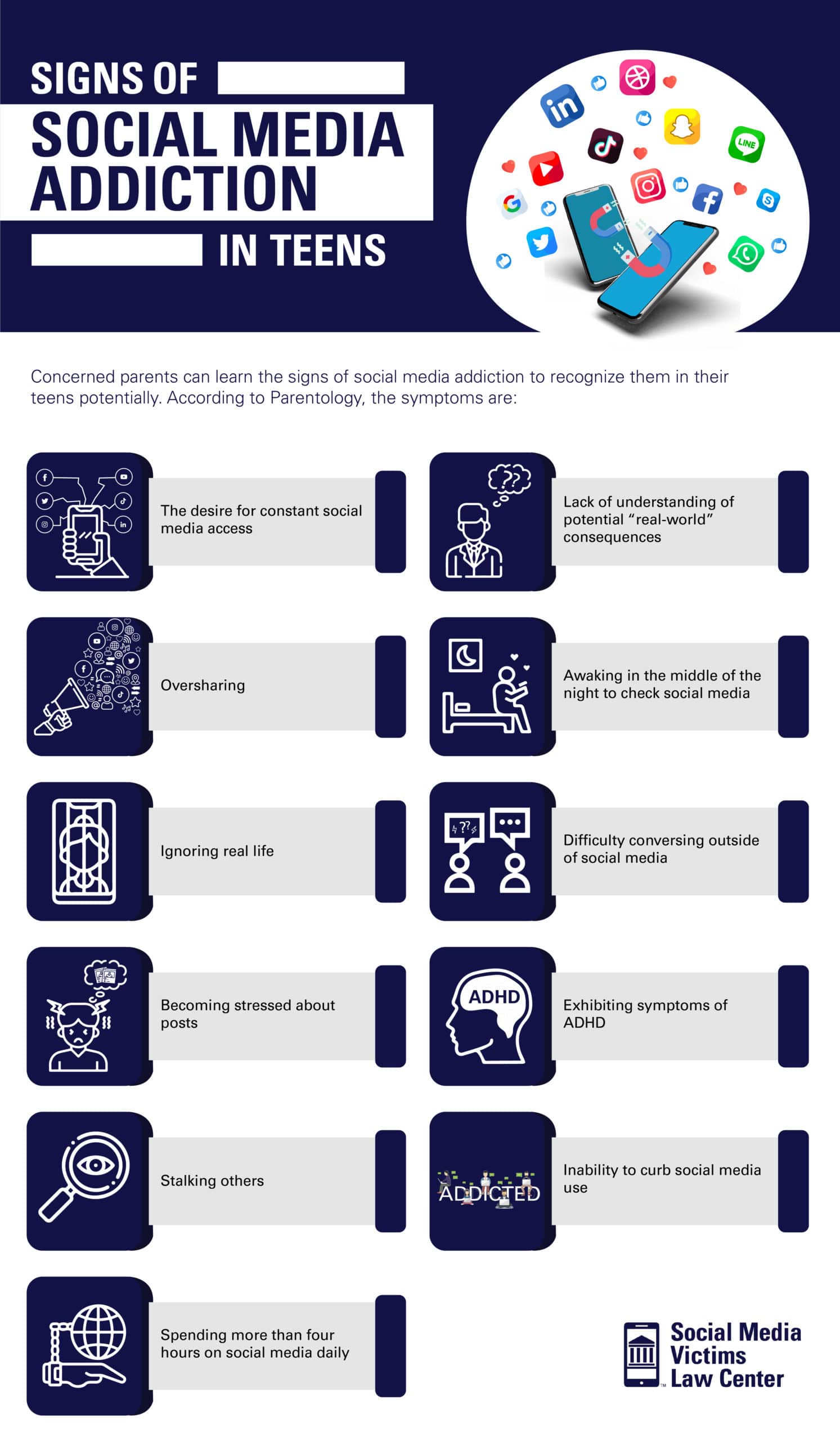
Recent jury verdicts have finally pierced the legal armor protecting social media giants, proving in open court what internal whistleblowers have whispered for years. For the first time, legal panels are finding that these platforms did not just host harmful content; they engineered the harm itself. This shift marks a fundamental change in how the law views digital design, moving away from "neutral platform" status toward a model of product liability where the algorithm is the defect.
For a generation, tech executives hid behind Section 230, a legal provision originally intended to protect internet service providers from being sued over what their users posted. But a new wave of litigation has bypassed that defense. These lawsuits focus on the intentional architecture of the apps—the dopamine-loop notifications, the infinite scroll, and the predatory algorithms—rather than the specific posts themselves.
The Architecture of Addiction
The courtroom victories against companies like Meta and ByteDance hinge on a specific technical argument. Plaintiffs are not suing because a child saw a "bad post." They are suing because the platform’s recommendation engine actively identified a vulnerable user and then force-fed them a diet of self-harm or eating disorder content.
This is an engineering choice, not a content moderation failure.
To understand why juries are siding against big tech, one must look at the Variable Reward Schedule. This is the same psychological mechanism used in slot machines. When a teenager pulls down to refresh a feed, they do not know if the next post will be a boring advertisement or a high-intensity social validation. That uncertainty triggers a massive release of dopamine. Juries are seeing evidence that companies knew this specific design caused compulsive behavior in developing brains, yet they doubled down on it to maximize "session time" and ad revenue.
The Internal Knowledge Gap
Internal documents surfaced during these trials reveal a grim reality inside the corporate campuses of Menlo Park and Mountain View. Data scientists and researchers within these companies raised red flags as early as 2016. They pointed out that their own tools were "hyper-targeting" minors with content that accelerated depression.
In many cases, the response from leadership was to prioritize growth metrics over safety fixes. This "growth at all costs" mentality is what turned a negligence claim into a punitive damage award. When a jury sees that a company had a fix for a lethal bug but chose not to implement it because it might drop user engagement by 1%, they stop seeing a tech company and start seeing a tobacco company.
The Algorithmic Defect Theory
The legal breakthrough here is the classification of an algorithm as a "product" rather than "speech." If a car manufacturer installs a steering wheel that randomly veers into traffic, it is a product defect. If a social media company builds an algorithm that connects a 13-year-old with a drug dealer or a pro-anorexia group based on their search history, lawyers are now successfully arguing that the algorithm is a defective product.
This distinction is vital. If the algorithm is a product, Section 230 protections often vanish.
The defense usually relies on the idea that they cannot possibly monitor billions of posts. But they do not have to monitor the posts to change the engine. They could remove the "infinite scroll" tomorrow. They could disable notifications between 10 PM and 6 AM for minors. They choose not to. This choice is what juries are now punishing with multimillion-dollar judgments.
Financial Incentives vs Public Health
The business model of the modern internet is built on engagement. However, "engagement" is often just a polite corporate euphemism for "addiction."
- Metric Manipulation: Platforms track "Long Sessions" (sessions over 30 minutes) as a success, even when those sessions are late at night when a child should be sleeping.
- Shadow Profiles: Companies collect data on users who haven't even signed up for their service, creating a "behavioral map" that is used to hook them the moment they finally create an account.
- A/B Testing: Thousands of versions of an app are tested simultaneously to see which one keeps a user’s thumb moving for the longest amount of time.
The Failure of Self Regulation
For years, the industry promised it could police itself. We saw the introduction of "Digital Wellbeing" dashboards and "Take a Break" reminders. But these tools are largely performative. They place the burden of moderation on the user—often a child with an underdeveloped prefrontal cortex—rather than the multi-billion dollar entity that designed the temptation.
Juries have seen through this. They recognize that a "Take a Break" popup is useless when the underlying algorithm is designed to make it nearly impossible to put the phone down.
The industry’s current defense is to claim that any regulation or legal liability would "break the internet." They argue that if they are held responsible for the effects of their algorithms, they will have to stop recommending content altogether. To a cynical observer, this sounds less like a technical reality and more like a threat.
Breaking the Silicon Valley Shield
The impact of these verdicts extends far beyond the specific families who won their cases. They are creating a roadmap for state attorneys general and international regulators. We are seeing a shift from "notice and takedown" laws to "safety by design" mandates.
In the United Kingdom and parts of the European Union, the "Age-Appropriate Design Code" is already forcing companies to change their default settings. In the United States, the pressure is coming from the courts. When the cost of the legal settlements begins to outweigh the profit from the addictive design, the "math of misery" will finally change.
Wall Street is beginning to take notice. Analysts are now pricing in the "litigation risk" of these social media platforms, much like they did with the chemical and pharmaceutical industries in decades past. If these companies are forced to prioritize safety, their growth will inevitably slow. The era of frictionless, predatory expansion is coming to a close.
The Role of Design Transparency
A major factor in these trials has been the lack of transparency. Companies treat their algorithms as trade secrets, hiding the code that dictates what our children see. But discovery processes in these lawsuits are dragging that code into the light.
Expert witnesses can now show exactly how a user is "pipelined" from innocent searches to dangerous content. They can demonstrate the "rabbit hole" effect with cold, hard data. This makes it impossible for executives to claim they didn't know what was happening. They built the map. They provided the vehicle. They cannot act surprised when it reaches the destination they programmed.
A New Legal Standard
The standard of "duty of care" is being rewritten in real-time. Tech companies can no longer claim they are just the "pipes." They are the editors, the curators, and the architects.
If a platform knows that a specific feature—like "Likes" or "Follower Counts"—is directly linked to increased rates of teen suicide and they keep it anyway, they are liable. This is not about censorship. It is about consumer protection. It is about ensuring that the tools we give our children are not rigged against their own biological vulnerabilities.
The focus must now shift to interoperability and user control. If users could choose their own algorithms—if they could plug in a "Safety First" engine or a "Chronological Only" engine—the power of the tech giants would be broken. They fight this because their monopoly depends on their ability to control the user's attention.
The Path Forward
The path forward is not through more "settings" menus or "parental controls" that savvy teens can bypass in seconds. It is through the total decommissioning of the predatory design elements that have become industry standards.
- Ending Infinite Scroll: Forcing a natural "stop" in content to allow the brain to reset.
- Removing Engagement-Based Ranking: Moving back to chronological feeds or feeds based on explicit user choices.
- Banning Autoplay: Stopping the forced transition from one video to the next without a conscious click.
These are not radical ideas. They were the way the internet worked before the "attention economy" took over. The recent jury verdicts are a clear signal that the public has lost patience with the "move fast and break things" era, especially when the things being broken are children's lives.
The tech industry is at a crossroads. It can continue to fight every lawsuit and lobby against every regulation, or it can accept that the "neutral platform" myth is dead. The courts have spoken: if you build a machine that harms people, you are responsible for the damage.
Lawyers across the country are now looking for the next "defect." They are looking at the lack of age verification, the deceptive patterns in user interfaces, and the data-sharing practices that expose minors to predators. The floodgates are open, and the Silicon Valley shield has been permanently cracked.
Check your own social media settings today and disable "suggested content" or "background refresh" to limit the algorithm's reach into your daily life.