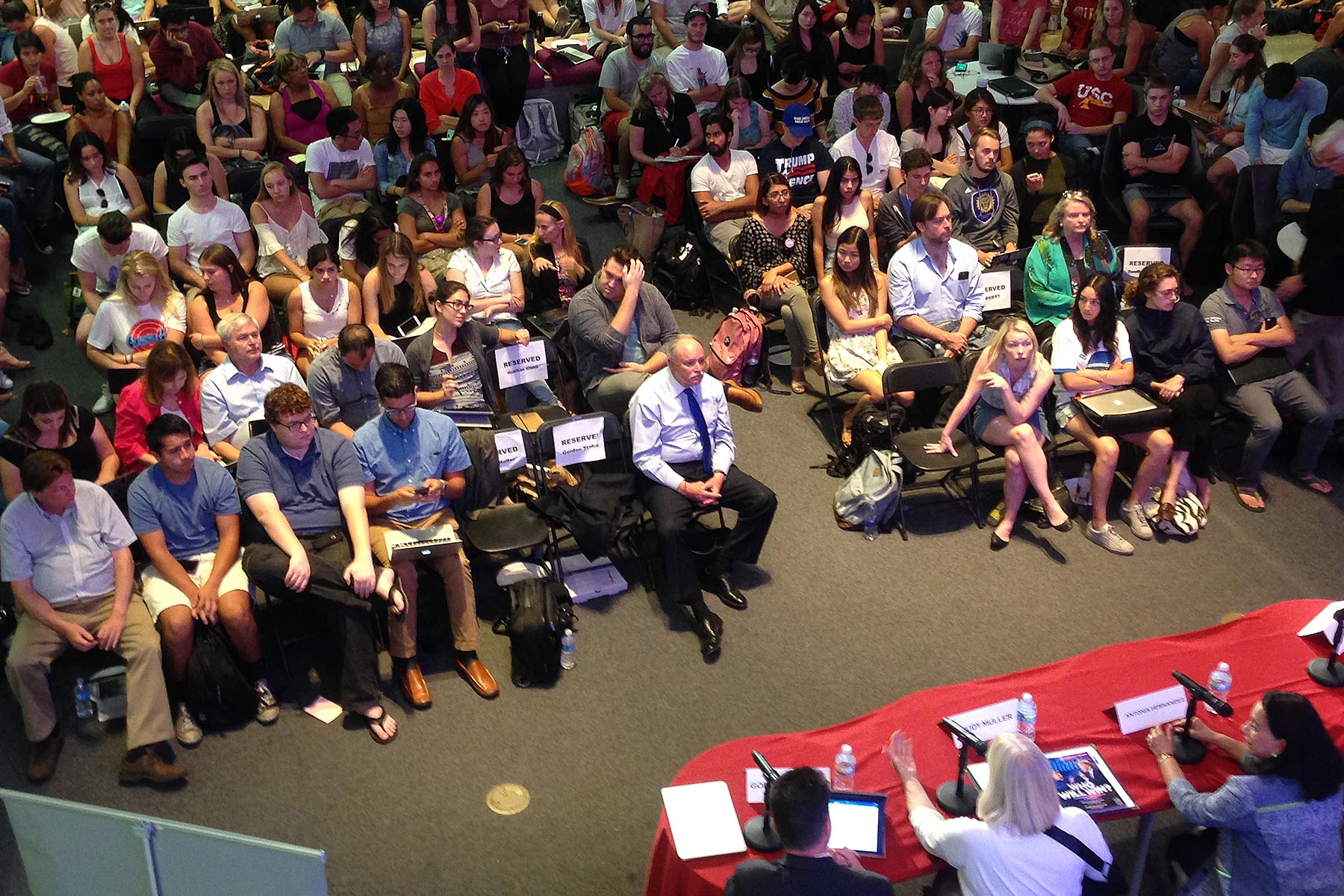
Student politics at the University of South Carolina just hit a massive wall. If you’ve been following the drama surrounding the scrapped gubernatorial debate, you already know the optics are bad. But the latest attempt to fix the mess—a hastily arranged "student forum"—has now officially imploded. This isn't just about a missed photo op for student leaders. It’s a breakdown in how the largest university in the state connects its massive student body to the people who actually run South Carolina.
The original plan was ambitious. The University of South Carolina (USC) was supposed to host a high-profile debate between candidates for Governor. It would’ve been a chance for students to see the state's leadership face-to-face. Then, the debate got scrapped. To save face, student organizers tried to pivot to a forum. Now, that’s gone too.
The Short Life of the Replacement Forum
When the big debate died, student government leaders didn't want to give up. They pivoted to a "Student-Led Forum." The idea was simple. If the candidates won't debate each other, maybe they’ll at least talk to the students. It sounded like a solid Plan B.
The problem? Logistics and timing. You can’t put together a major political event on a whim when you’re dealing with the schedules of state politicians. By the time the forum was announced, the momentum was already gone. Organizers faced a "perfect storm" of scheduling conflicts and a lack of confirmed participation from the campaigns.
It’s frustrating. Students pay thousands in tuition and fees, and part of that "college experience" is supposed to include civic engagement. When these events fall through, it sends a message that student concerns are an afterthought. The "logistical hurdles" cited by organizers are often code for a lack of political will from the people at the top.
Why This Keeps Happening at Large Universities
USC isn't the only school struggling with this. Across the country, campus political events are becoming harder to nail down. Campaigns are increasingly cautious. Why risk a gaffe in front of a room full of unpredictable college students when you can just run a targeted ad on TikTok?
The Risk of the Unscripted Moment
Politicians today hate surprises. A student forum is, by nature, a bit of a wild card. Students ask about things that don't always align with a campaign's talking points—things like student loan debt, housing costs in Columbia, or campus safety.
- Campaigns prefer controlled environments. A televised debate has rules. A student forum can get messy.
- The "TikTok Effect." One 10-second clip of a candidate stumbling over a question about tuition can go viral and ruin a week of campaigning.
- Scheduling as a Shield. "Conflict in the schedule" is the oldest excuse in the book. It’s a polite way of saying the juice isn't worth the squeeze.
The Real Cost of Scrapped Civic Engagement
When these events fail, we lose more than just a Tuesday night event in the Russell House. We lose the chance to bridge the gap between young voters and the statehouse. South Carolina has a notoriously low youth voter turnout. Events like the USC debate were designed to fix that.
When you cancel the primary way students interact with candidates, you shouldn't be surprised when those students stay home on election day. It’s a cycle. Candidates don't show up because "students don't vote," and students don't vote because "candidates don't care about us." This forum was a chance to break that cycle. Instead, it just reinforced it.
Lessons from the USC Forum Collapse
If you’re a student leader or an organizer, there are a few hard truths to swallow here. First, "hasty" is the enemy of "impactful." Trying to throw together a forum in a matter of weeks as a reaction to a cancellation is almost always going to fail. These things require months of lead time and iron-clad commitments.
Second, you have to have leverage. Why should a candidate come to your forum? If you can't guarantee a massive turnout or significant media coverage, they’ll find a reason to be somewhere else. The USC student body is over 35,000 strong. That’s a lot of potential voters, but only if they’re organized.
What You Can Do Now
So the forum is dead. What now? You don't have to wait for a formal event to get involved or hold these candidates accountable.
- Look at the platforms. Most candidates have their education and economic plans posted online. Read them. Don't wait for a town hall to tell you what they think.
- Use social media for direct questions. Tag the campaigns. Ask about the issues that matter to Columbia residents and USC students specifically.
- Register and show up. The only way to make candidates regret skipping a campus forum is to prove that your demographic actually hits the polls.
The collapse of the USC forum is a disappointment, but it isn't the end of the conversation. It’s just a reminder that civic engagement isn't something that gets handed to you on a silver platter by the university or the state. You have to demand it.
Start by checking your registration status through the South Carolina Election Commission. If the candidates won't come to campus, you’ll have to meet them at the ballot box.