You’ve heard the noise about the big trade deal between the US and India. High-profile handshakes, talk of $500 billion in purchases, and slashed tariffs are grabbing the headlines. But there’s a quieter, more intense negotiation happening in the background that actually holds the keys to the next decade.
US Ambassador Sergio Gor just dropped a massive hint at the India Today Conclave 2026: Washington and New Delhi are inches away from a standalone critical minerals pact. Building on this idea, you can find more in: The Childcare Safety Myth and the Bureaucratic Death Spiral.
If you think this is just about some rocks and dirt, you’re missing the point. This isn't just "cooperation." It’s an insurance policy against global supply chain blackmail. Without these minerals, the "AI revolution" stays on the drawing board and your next electric vehicle doesn't get built. Here’s why this specific deal is the real story you should be watching.
Moving Past the "Laundromat" Label
It wasn't long ago that the vibe between these two was, frankly, terrible. Remember the "laundromat" comments? President Trump wasn't shy about calling India out for buying Russian oil, and for a minute there, it looked like the relationship was headed for a deep freeze. Experts at Harvard Business Review have shared their thoughts on this situation.
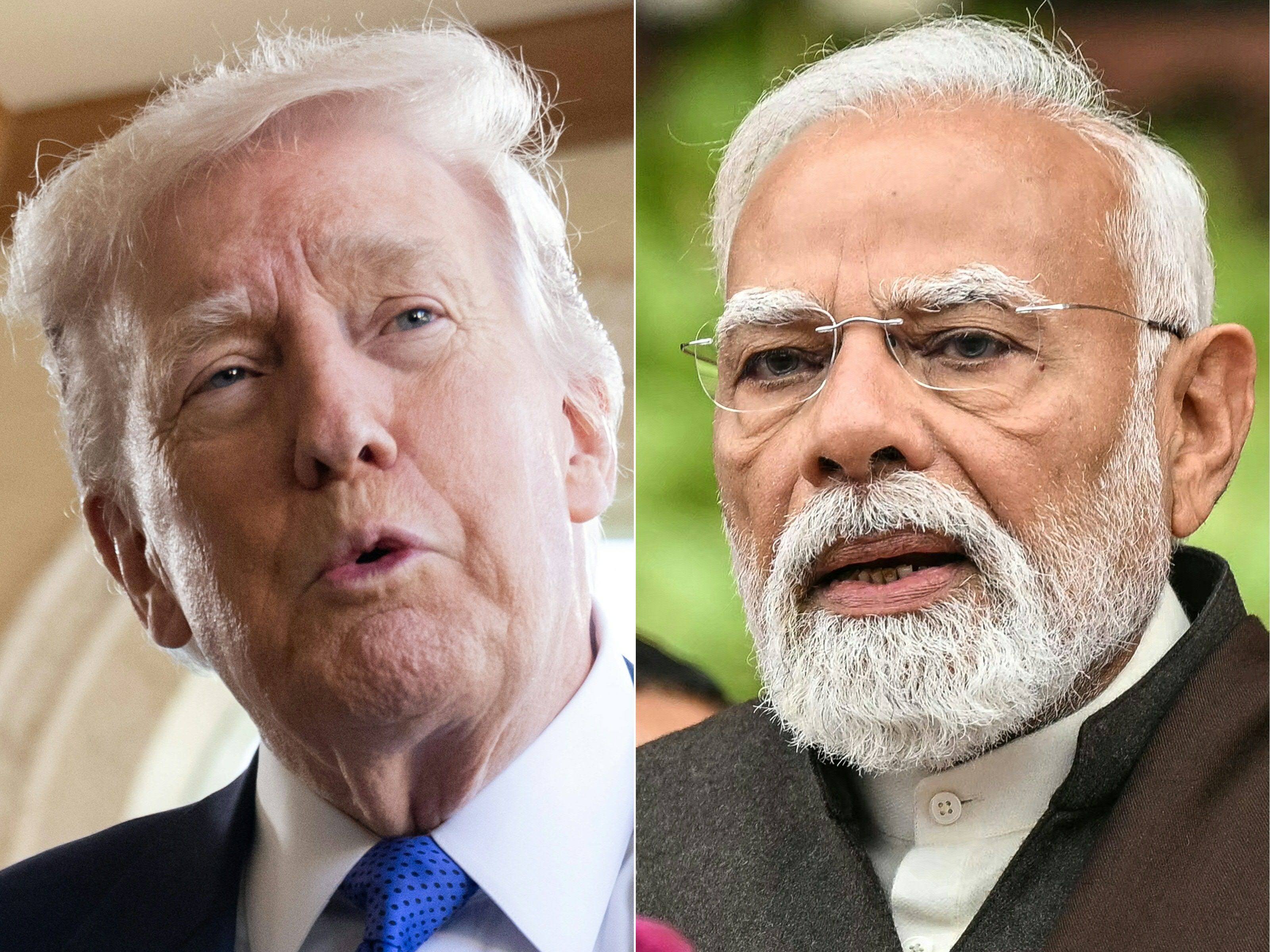
But things shifted fast. Gor basically credited the "personal chemistry" between Trump and Modi for thawing the ice. That's fine for the cameras, but the real driver is cold, hard necessity. The US needs a massive manufacturing alternative to China, and India needs a reliable partner to help it scale its processing and refining capacity.
The upcoming pact isn't just a sub-clause of a trade agreement. It’s a dedicated framework to ensure that when the world hits a shortage of lithium, cobalt, or rare earths, the US and India aren't fighting over scraps. They’re building a closed loop.
The Pax Silica Factor
You can't talk about minerals without talking about Pax Silica. Last month, India officially joined this initiative, and it’s a big deal. While the rest of the world is busy worrying about how to regulate AI into a corner, Pax Silica is about building the physical stack that AI runs on.
India isn't just bringing raw materials to the table. They’re bringing:
- Refining Capacity: India is rapidly scaling up its ability to process ore, something most Western nations have ignored for decades.
- Engineering Talent: You need more than a shovel to get these minerals; you need the chemical engineering to make them usable for high-tech sensors and batteries.
- Strategic Trust: In a world of "trusted geography," India is being positioned as the primary anchor for the US in the Indo-Pacific.
What the Deal Actually Changes
The "big announcement" expected in the next few months will likely focus on three specific areas that usually get buried in jargon.
- Reciprocal Investment Protection: Expect to see new rules that make it way easier for American venture capital to flow into Indian mining and processing startups.
- Joint R&D for Alternatives: We know the current supply of certain rare earths is finite. A big chunk of this deal involves shared lab work to find synthetic or recycled alternatives.
- Stockpile Coordination: This is the "break glass in case of emergency" part. If one country sees a sudden supply shock, the other acts as a buffer.
Honestly, the trade deal’s 18% tariff cap is great for textiles and leather goods, but it doesn't solve the "how do we build 100 million batteries" problem. This minerals pact does.
Why You Should Care
If you're an investor or a tech founder, this is your green light. The US is moving away from a strategy of "buying from whoever is cheapest" to "buying from whoever we trust." This shift creates a massive opening for Indian firms in the processing sector.
We aren't just looking at a trade boost. We're looking at a fundamental re-engineering of how tech is made. Gor's "stay tuned" isn't just hype—it’s a warning that the old supply chain rules are officially dead.
Your Next Steps
- Monitor the Pax Silica updates: Watch for specific project announcements involving Indian refiners and US battery manufacturers.
- Follow the BTA implementation: The interim trade agreement is slated to go live in April. Use that as a bellwether for how smoothly the minerals pact will be integrated.
- Evaluate your supply chain: If you're reliant on "untrusted" mineral sources, now is the time to look at the emerging India-US corridor for long-term stability.
The era of taking the "dirt" for granted is over. The next few months will decide who controls the ground under the feet of the AI era.