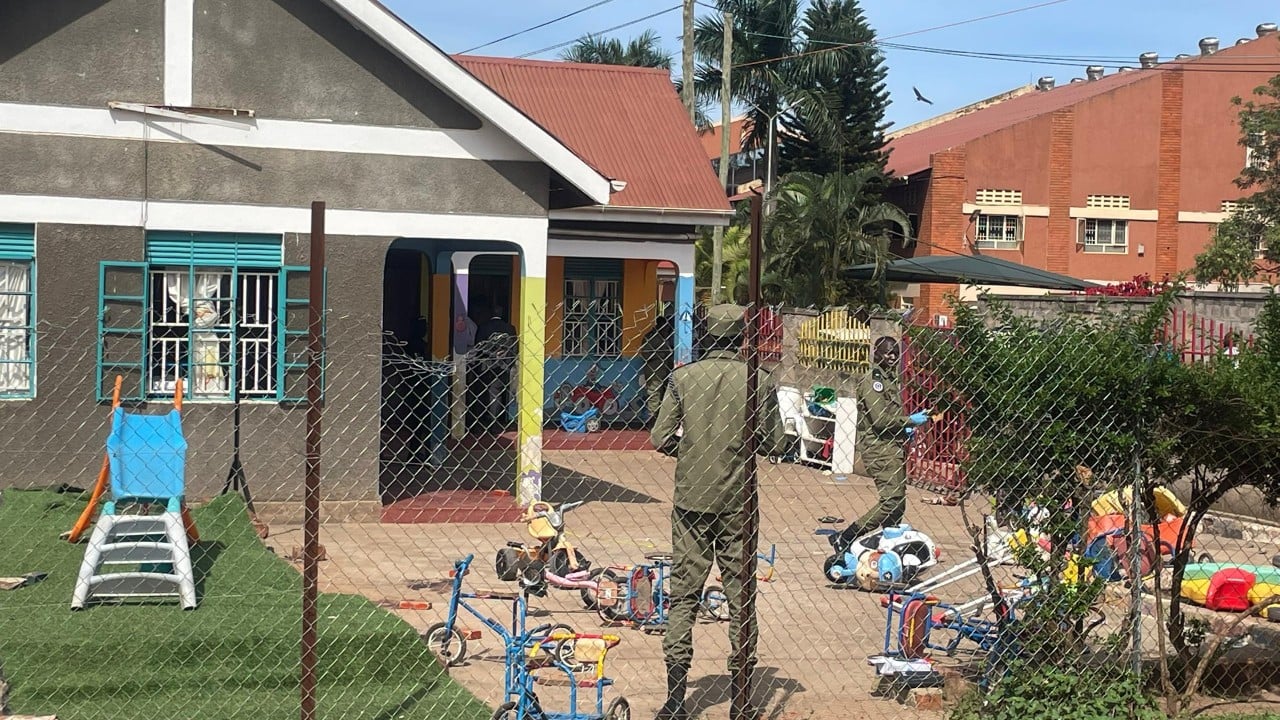
A man walked into a kindergarten in Uganda and killed four children with a knife. It's a sentence that feels impossible to type. It's a reality that's even harder to stomach for the families in the local community who saw their lives shattered in a matter of minutes. This wasn't a complex political plot. It wasn't a high-tech heist. It was a raw, brutal act of violence targeting the most vulnerable people in our society.
When news like this breaks, the world usually looks for a motive. We want to know why. But in the immediate aftermath of such a tragedy, the "why" often feels empty compared to the "how." How did someone get close enough to do this? How did a place meant for play and learning become a crime scene?
The Uganda kindergarten attack isn't just a local tragedy. It's a loud, painful siren for every educational institution in the region. If you think your local school is safe just because "nothing ever happens here," you're making a mistake that could cost lives. Security isn't about being paranoid. It's about being prepared for the worst-case scenario.
The failure of the soft target mindset
Most schools in East Africa, especially those serving lower-income communities, are what security experts call soft targets. They're accessible. They're predictable. Often, the only thing standing between a classroom and the street is a rusted gate or a distracted guard.
In the Uganda incident, the attacker didn't need a sophisticated plan. He just needed opportunity. We see this pattern globally. Whether it's a mass stabbing or a shooting, attackers look for the path of least resistance. Kindergartens are the softest of soft targets because the occupants can't defend themselves.
I've visited dozens of schools across the continent. Most of them have a "visitor's log" that's never checked. They have gates that stay open during school hours to let delivery trucks or parents slide in and out. It's convenient. It's also dangerous. We've got to stop prioritizing convenience over the lives of children.
Why mental health checks aren't enough
Whenever a stabbing like this occurs, the conversation immediately shifts to mental health. People want to talk about "madmen" and "lone wolves." It's a comfortable way to distance ourselves from the horror. If the guy was just "crazy," then it’s an isolated incident, right?
Wrong.
Relying on mental health interventions to prevent violence is a losing game. Most people with mental health struggles aren't violent. Conversely, plenty of violent people never show up on a clinical radar until it's too late. While Uganda and its neighbors desperately need better psychiatric support systems, that's a long-term fix.
The short-term fix is physical security and community vigilance. You can't control what's happening inside a stranger's head. You can control who walks through your front door. If a school doesn't have a strict "locked door" policy during instructional hours, that school is failing its students.
What school security actually looks like in practice
Real security doesn't mean turning a kindergarten into a prison. You don't need barbed wire and armed guards at every corner to keep kids safe. You do need a system.
First, you need a single point of entry. If your school has three different ways to get into the courtyard, you don't have security. You have a sieve. One entrance means one person to monitor. It means you know exactly who is on the property at all times.
Second, you need the "two-lock" rule. To get to a child, an outsider should have to pass through at least two locked barriers. A perimeter fence and a classroom door. If the first one is breached, the second one buys time. Time is the only thing that matters in an active attacker situation. Time allows teachers to hide kids. Time allows the police to arrive.
Third, let's talk about the "stranger danger" myth. Most school attackers in these regions aren't total strangers. They're often people from the periphery of the community—former employees, disgruntled neighbors, or relatives of students. Security isn't just about keeping out the "boogeyman." It's about vetting everyone.
The role of the community in preventing local violence
We often wait for the government or the police to tell us what happened. But the community usually knows something is wrong before the first drop of blood is spilled.
In many of these cases, there are red flags. Neighbors notice someone acting erratic. Family members see a person collecting weapons or talking about "cleansing" or "justice." In Uganda, like many places, there's a tendency to handle things internally or ignore the "village eccentric."
That silence is lethal. We need a culture where reporting suspicious behavior isn't seen as "snitching" but as a civic duty. If you see someone lurking around a school who doesn't have a kid there, say something. If a local man is making threats against children, don't just pray about it. Call the authorities.
Moving past the shock to take action
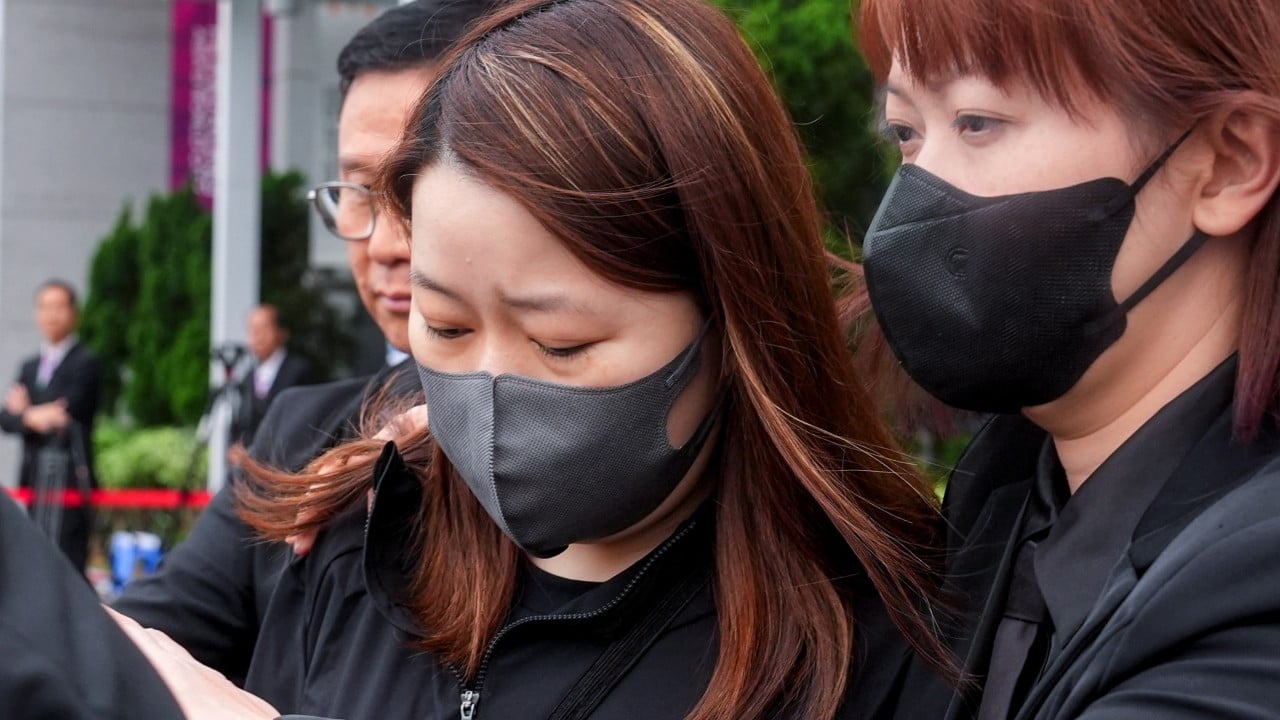
The families in Uganda are grieving. The rest of us are watching the news and feeling a temporary surge of horror. But horror fades. News cycles move on. In two weeks, most people will have forgotten the names of the victims.
Don't let that happen. Use this moment to audit the schools in your own life.
Go to your child's school tomorrow. Look at the gate. Is it open? Is there a guard? Is that guard actually watching the street, or is he on his phone? Ask the headteacher what the protocol is if an intruder enters the building. If they don't have an answer, or if they give you a vague "we trust in God" response, you've got work to do.
We can't bring those four children back. The damage is done. But we can make sure that the next person who thinks a kindergarten is an easy target finds out they're dead wrong.
Start by demanding a perimeter check at your local school. Ensure there's a dedicated emergency contact list for every classroom. Pressure local leaders to fund basic security infrastructure like sturdy locks and communication radios for staff. Safety isn't a luxury; it's the baseline requirement for any place that claims to care for children.