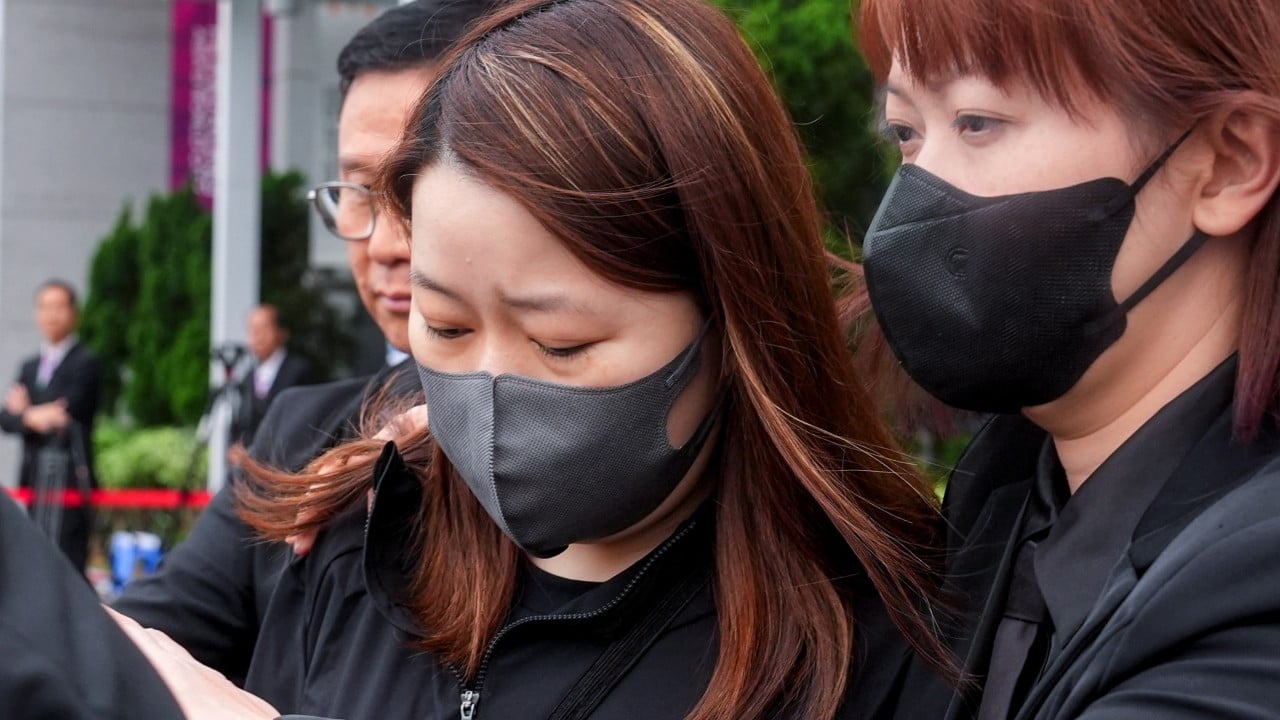
The Tai Po blaze hearing is a masterclass in pointing fingers at the wrong target. We watch the public inquiry, we see the headlines about "failed identification" and "lack of follow-up," and we nod along like well-behaved citizens. We blame the property management firm for being lazy. We blame the inspectors for being blind. We act as if a few more checkboxes on a clipboard would have magically snuffed out the flames before they started.
That’s a lie. It’s a comfortable, bureaucratic lie that helps us sleep at night, but it’s a lie nonetheless. Meanwhile, you can explore other stories here: The Cold Truth About Russias Crumbling Power Grid.
The obsession with "fire hazard identification" as practiced by modern property firms isn't about safety. It’s about liability shielding. When a firm fails to "follow up," they aren't just being negligent—they are reacting to a system that prioritizes the paper trail over the physical reality. If you think more regulations or stricter hearings will stop the next Tai Po, you are the problem.
The Compliance Trap
The competitor narrative suggests that if the property firm had simply followed the existing rules, the disaster wouldn't have happened. This assumes the rules are designed to prevent fires. They aren't. Most fire safety regulations in high-density urban environments like Hong Kong are designed to facilitate insurance payouts and legal defense. To see the full picture, check out the detailed analysis by USA Today.
Compliance is a floor, not a ceiling. Yet, in the corporate world, the floor is treated as the ultimate achievement. When a manager walks through a building, they aren't looking for "danger." They are looking for "non-compliance." There is a massive difference.
A "danger" is a pile of oily rags in a corner that technically doesn't violate a specific storage code but is a heat source away from an inferno. "Non-compliance" is a fire door propped open by a 2-pound weight. The manager fixes the door because it's a fine; they ignore the rags because there’s no specific box to check.
We’ve created a culture where the presence of a "Risk Assessment" document is more important than the actual removal of risk. I’ve sat in boardrooms where the primary concern after a safety audit wasn't "How do we make the building safer?" but "How do we rephrase these findings so they don't trigger a higher insurance premium?"
Why Follow-Up is a Myth
The Tai Po hearing focuses heavily on the failure to follow up. Why does follow-up fail? It’s not because people are forgetful. It’s because the cost of remediation often outweighs the perceived risk of a "black swan" event.
Property firms operate on razor-thin margins. In the current economic climate, the person tasked with "following up" is usually an overworked middle manager juggling ten buildings and a hundred "urgent" maintenance requests.
- Priority 1: Water leaks (immediate tenant complaints).
- Priority 2: Elevator downtime (visible failure).
- Priority 3: Fire hazard remediation (invisible risk).
Human psychology is wired for the immediate. A fire that might happen in five years is less scary than a tenant screaming about a flooded lobby today. By focusing the hearing on the failure to follow up, we are ignoring the structural incentives that make follow-up impossible. We are demanding that people act against their own survival instincts in a system that punishes proactive spending.
The Myth of the Professional Inspector
We treat fire safety inspectors like they possess X-ray vision and prophetic powers. In reality, an inspection is a snapshot in time—a low-resolution photo of a moving target.
The Tai Po hearing suggests the property firm "failed to identify" hazards. Imagine a scenario where an inspector walks a floor at 10:00 AM. The hallway is clear. At 2:00 PM, a delivery driver leaves three pallets of cardboard in that same hallway. At 6:00 PM, someone tosses a cigarette.
Did the inspector fail? Technically, no. But the system failed because it relies on periodic snapshots rather than continuous, systemic flows.
The "Professional" designation often acts as a cloak for incompetence. We trust the badge, not the results. High-density residential and commercial blocks are living, breathing organisms. You cannot "inspect" safety into a building any more than you can "inspect" health into a person who eats nothing but lead paint. Safety is a function of design and daily habit, yet we try to fix it with an annual visit from a guy with a clipboard.
The Tenant Responsibility Taboo
Here is the truth no one wants to say during a public hearing: The inhabitants are often the primary cause of the hazards that property firms "fail" to manage.
The competitor's coverage paints the property firm as the sole villain and the residents as the helpless victims. While the firm holds the legal duty, the physical reality is that fire hazards are created by people. Subdivided flats, blocked fire escapes, and overloaded electrical circuits are often the result of desperate or indifferent tenants.
When we put the entire burden on the property firm, we infantilize the public. We tell them, "Don't worry about your space; it’s the manager's job to make sure you don't burn down." This creates a moral hazard. If the property firm is 100% responsible, the individual has zero incentive to be vigilant.
A building is a collective. If we don't address the socio-economic factors that force people to create hazards—like the housing crisis that leads to illegal partitioning—then blaming a property firm for "failing to identify" those hazards is like blaming a thermometer for the fever.
Data Won't Save You
There is a growing movement toward "Smart Building" tech—sensors, AI-driven monitoring, and real-time alerts. The tech bros will tell you this is the "paradigm shift" (a word I loathe) that will prevent another Tai Po.
They are wrong.
More data just means more noise. If a property firm can't follow up on a paper report, why do we think they will follow up on 5,000 digital pings? Automation without a radical shift in accountability is just a faster way to ignore problems.
I’ve seen "state-of-the-art" command centers where the "Critical Alert" screen is covered in Post-it notes because the sensors are too sensitive and keep firing off false positives. The staff eventually just mutes the alarm. They "identified" the hazard digitally, but they functionally ignored it. Technology is a force multiplier, but if your force is zero—meaning your culture of care is non-existent—the result is still zero.
The Superior Strategy: Radical Transparency
If you want to stop fires, stop holding closed-door hearings after the fact.
Instead of an annual audit that goes into a drawer, every building should have a public "Risk Score" updated monthly and posted at the entrance. Not a "Safety Rating," which is vague and comforting, but a "Risk Score" that lists exactly what hasn't been fixed.
- Publicity as Punishment: List the specific hazards. "3rd Floor Fire Door Broken - 45 Days Unfixed."
- Liability Shift: If a firm fails to fix a reported hazard within 72 hours, the liability should shift directly to the personal assets of the board of directors.
- Tenant Empowerment: Give tenants a legal "Right to Repair" where they can hire a contractor to fix a common-area fire hazard and deduct it from their rent if the firm ignores it.
The Tai Po hearing is looking for someone to blame so the rest of the industry can breathe a sigh of relief and say, "Glad it wasn't us." They will conclude that "processes need to be tightened." They will suggest "better training."
Those are the solutions of the timid.
We don't need better training. We need a system where it is more expensive to ignore a fire hazard than it is to fix it. We need to stop pretending that "identification" is the hurdle. We know where the hazards are. We just don't care enough to pay for their removal until the smoke starts filling the room.
The industry is currently built on a foundation of "acceptable loss." We calculate the cost of a lawsuit versus the cost of a total building retrofit and we choose the lawsuit every single time. The property firm in the Tai Po case didn't "fail" to follow up—they succeeded in following the cold, hard logic of the modern real estate market.
If that makes you angry, stop looking at the firm and start looking at the mirror. We support this system every time we demand lower management fees or look the other way at a blocked stairwell because moving our bike is an "inconvenience."
The hearing is a performance. The blaze was the reality. Stop confusing the two.