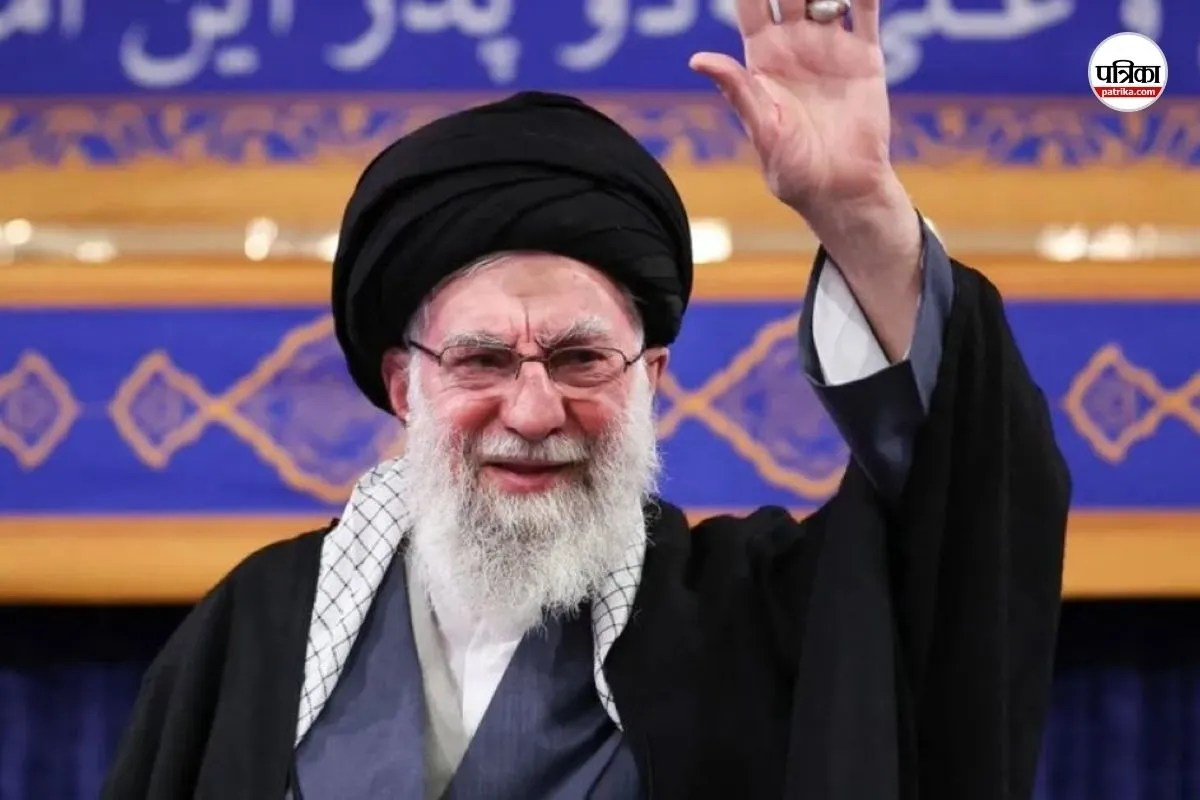
British media reports recently dropped a bombshell that sounds like something straight out of a spy thriller. Tehran’s massive network of traffic cameras—the same ones used to track every movement in the Iranian capital—were reportedly compromised for years. This isn't just about a few glitchy screens or a prank. It’s a massive security failure that coincides with swirling, unconfirmed reports regarding the health and potential death of Supreme Leader Ayatollah Ali Khamenei.
If you’ve been following Middle Eastern geopolitics, you know that nothing in Tehran happens by accident. When the "eyes" of the state go dark or, worse, start feeding data to an adversary, the entire power structure vibrates with paranoia. Let’s look at what actually happened and why this breach matters more than the Iranian government wants to admit.
How British Media Exposed the Tehran Surveillance Gap
The reports suggest that international intelligence agencies, likely with help from groups linked to the UK, managed to gain "persistent access" to Tehran's traffic management system. We aren't talking about a one-time hack. We're talking about a multi-year infiltration. For a regime that prides itself on internal control and the "Iron Shield" of its security apparatus, this is an embarrassment of the highest order.
The timing is what really sets pulses racing. These revelations surfaced right as rumors about Khamenei’s health reached a fever pitch. In Iran, the Supreme Leader’s health is a matter of national security. If he is incapacitated or dead, the transition of power is the most vulnerable moment for the Islamic Republic. Having your capital’s cameras controlled by outsiders during a transition is a nightmare scenario for the Revolutionary Guard. It means every secret convoy, every high-level meeting, and every movement of the potential successor could have been watched in real-time by London or Tel Aviv.
Why Traffic Cameras are a Goldmine for Spies
You might think traffic cameras are just for catching speeders. They aren’t. In a city like Tehran, they are the primary tool for the "hijab police" and the morality squads to track "subversive" behavior. But for a foreign intelligence agency, these cameras provide a literal map of the regime's nervous system.
By hacking these systems, an adversary can track the license plates of high-ranking officials. They can see who is visiting the hospital where Khamenei is allegedly being treated. They can monitor troop movements if the government fears an uprising. Honestly, it’s the ultimate reconnaissance tool. You don't need a satellite when you have a 1080p feed of the street corner outside a secret bunker.
The technical breakdown of the hack points to a sophisticated "man-in-the-middle" style of persistent malware. This allowed the hackers to view the feeds without the local operators ever knowing someone else was on the line. It's subtle. It's quiet. And it’s incredibly effective.
The Khamenei Death Rumors and the Information Vacuum
Iran is a black box. When a leader like Khamenei disappears from the public eye for more than a few days, the rumor mill goes into overdrive. We’ve seen this before, but this time feels different because of the external pressure. The British media reports serve as a catalyst, suggesting that the West knows more about what's happening inside the palace walls than the Iranian public does.
Is Khamenei actually dead? The regime has released photos and videos of him meeting officials, but skeptics point to "metadata" or the lack of a date-stamped newspaper to claim these are old recordings. Whether he's dead or just very ill, the breach of the camera system suggests the regime is losing its grip on the one thing it needs to survive: absolute secrecy.
If the cameras were hacked for years, imagine what else is compromised. The Iranian nuclear program has already been hit by Stuxnet and various "mysterious" explosions. If the literal streets of the capital are no longer private, the security of the entire leadership is a myth.
The Internal Fallout in Tehran
Inside the Iranian corridors of power, the blame game is likely brutal. The Ministry of Information and Communications Technology is probably under the microscope of the IRGC (Islamic Revolutionary Guard Corps). When a system as vital as the capital's surveillance network is compromised for "several years," it implies one of two things: total technical incompetence or an inside job.
I’d bet on a mix of both.
Cybersecurity in Iran is often a patchwork of Western hardware and locally developed software. That creates gaps. Big ones. If a foreign agency gets the "backdoor" keys to a specific brand of camera or router used across the city, the game is over before it starts. The fact that British media is the one breaking this news suggests a deliberate "leak" to signal to Tehran that they are being watched. It's a psychological move. It says, "We see you, even when you think you're hidden."
Moving Past the Propaganda
You have to be careful with reports like these. Media outlets often lean on "unnamed intelligence sources" which can sometimes be a vehicle for psychological warfare. However, the level of detail regarding the specific camera networks and the duration of the hack makes this hard to dismiss as mere fluff.
The Iranian government usually responds to these reports with two moves. First, they deny it. Second, they arrest a "spy ring" to show they’re back in control. Keep an eye on the state-run news agencies over the next few weeks. If we see a wave of arrests in the tech sector, you'll know the British reports were spot on.
What This Means for Global Security
This isn't just an Iran problem. It’s a wake-up call for any nation that relies on centralized, internet-connected surveillance. If Tehran—a city under constant threat and on high alert—can't keep its cameras secure, who can?
The intersection of cyber warfare and political transition is the new frontline. We aren't waiting for tanks to cross borders anymore. We're waiting for a server in London or Washington to ping a camera in a foreign capital to see if a dictator has finally kicked the bucket.
If you want to understand the modern world, stop looking at the borders and start looking at the infrastructure. The next time you see a headline about a "traffic camera hack," don't scroll past. It might just be the first sign that a government is about to collapse from the inside out.
The next step for anyone following this story is to monitor the official "proof of life" videos coming out of the Supreme Leader’s office. Pay close attention to the background details and the timing. If the regime can’t produce a live, unedited broadcast soon, those British media reports about the camera hack and the leadership crisis will carry more weight than ever. Watch the streets, because someone else already is.