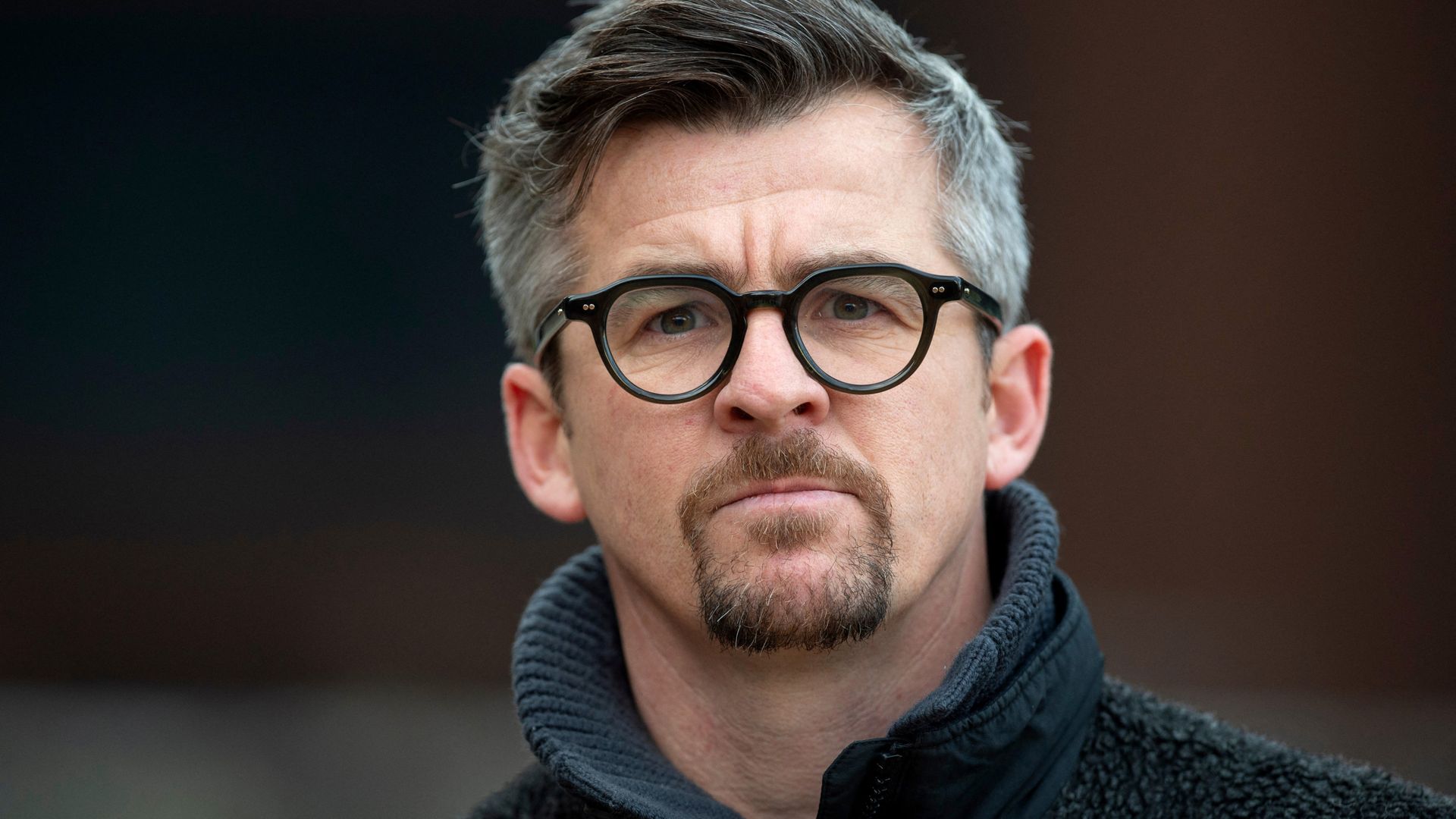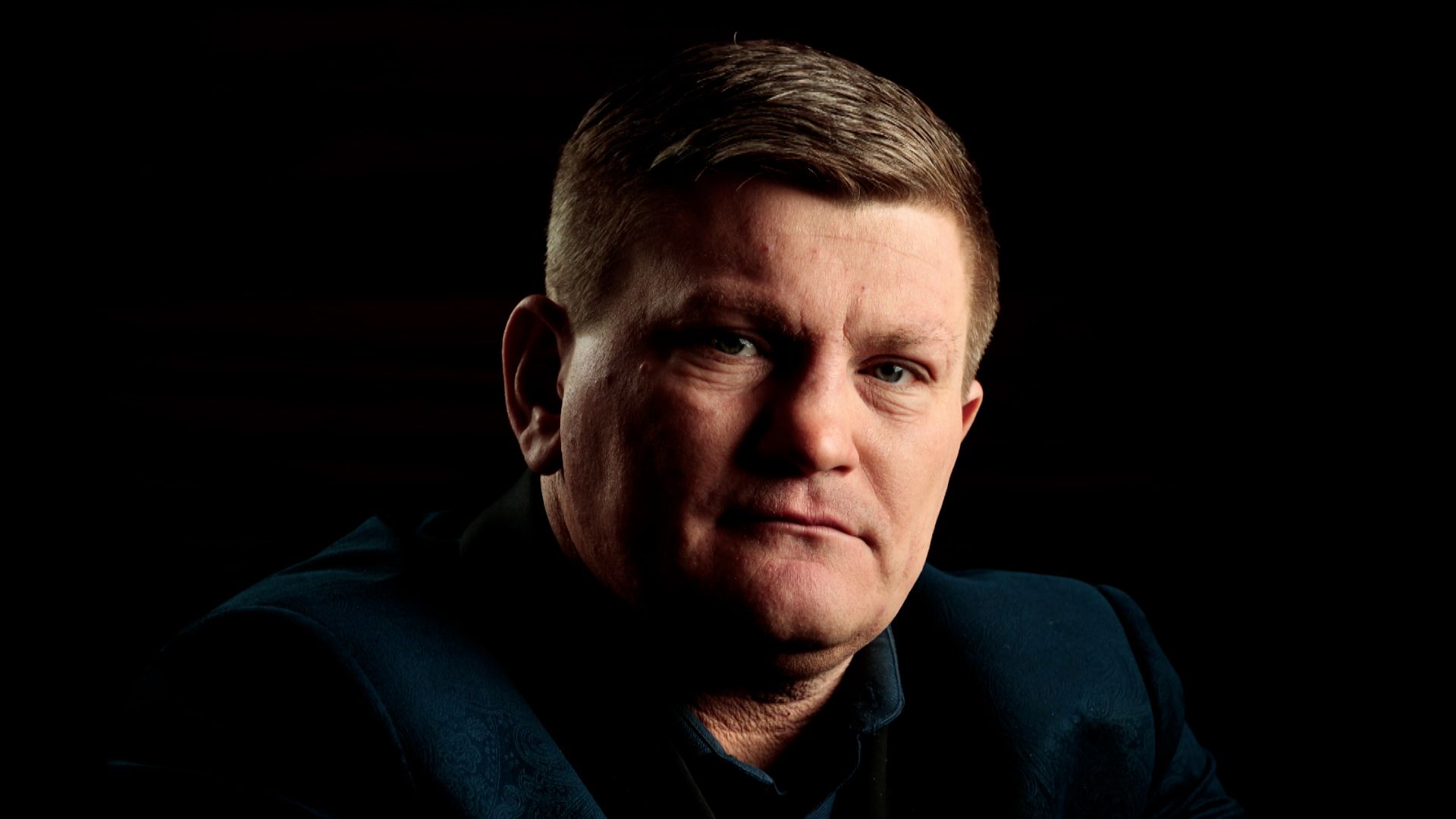
Ricky Hatton isn't dead. Let's clear that up immediately because the internet has a weird way of spinning health scares into premature obituaries. While the "Hitman" is very much alive, the conversation around his health and the reality of Chronic Traumatic Encephalopathy (CTE) is more urgent than ever. If you've followed the recent headlines suggesting he "had" a brain disease when he died, you're looking at a classic case of digital misinformation. But the underlying truth about brain trauma in boxing is far more sobering than a viral rumor.
The reality of the sport is brutal. You don't play boxing. Every time a fighter steps into that ring, they're trading pieces of their future for a moment of glory. Hatton, a man who defined an era of British pugilism with his relentless body punching and "Manchester-born" grit, has been incredibly open about his struggles with mental health, depression, and the physical toll of his career. He hasn't died of brain disease, but he’s living with the consequences of a career spent in the line of fire.
The Massive Misconception About CTE and Living Fighters
There’s a huge problem with how we talk about CTE. For a long time, the medical consensus was that you couldn't diagnose this condition until an autopsy was performed. That’s why you see these confusing headlines. People hear "CTE" and their brains jump to "post-mortem."
CTE is a progressive degenerative disease found in people who've had a history of repetitive brain trauma. This includes symptomatic concussions as well as asymptomatic sub-concussive hits to the head. In boxing, it's those thousands of "small" shots in sparring that often do the most damage.
Researchers at institutions like the Cleveland Clinic and the Boston University CTE Center are working tirelessly on identifying biomarkers in living patients. We aren't quite there yet for a definitive "yes or no" test for the living, but the symptomatic evidence in retired fighters is overwhelming. When we talk about Ricky Hatton, we're talking about a man who has faced the dark side of the sport—memory loss, mood swings, and suicidal thoughts—all of which are hallmark signs of the trauma he endured.
What the Hitman Actually Went Through
Hatton’s career was a whirlwind. He reached the absolute pinnacle, defeating Kostya Tszyu in 2005, a night that remains etched in the memory of every British fight fan. But the style that made him a legend—the "all-action" approach—required him to take three punches to land one.
His losses to Floyd Mayweather and Manny Pacquiao weren't just blows to his record. They were massive physical traumas. The Pacquiao knockout, in particular, was a terrifying one-punch ending that left Hatton unconscious for several minutes.
- The Depression Spiral: After the Mayweather loss, Hatton’s mental health plummeted. He’s spoken about how he used to go to the pub, come home, and sit in the dark crying.
- The Substance Abuse: Alcohol and drugs became a way to numb the physical and emotional pain. This isn't just a "celebrity lifestyle" issue; it’s a common coping mechanism for athletes dealing with undiagnosed brain trauma.
- The Weight Fluctuations: Hatton was famous for "Ricky Fatton," ballooning in weight between fights. Radical weight cutting puts immense stress on the brain’s protective fluids, making it even more vulnerable to damage during a fight.
It’s easy to dismiss these things as "personal demons." That’s a lazy take. When a person’s job involves getting hit in the head for twenty years, we have to look at the biology. The depression isn't always just about losing a fight; it’s often about the brain losing its ability to regulate chemicals properly.
Why Boxing Regulation Needs a Reality Check
The boxing world likes to pretend it’s doing enough. We have ringside doctors, mandatory rest periods, and pre-fight scans. But an MRI doesn't show CTE. An MRI shows structural issues like tumors or bleeds. It doesn't show the microscopic tau protein deposits that strangle brain cells over time.
We need to stop looking for a "smoking gun" and start looking at the cumulative load. Sparring is the biggest culprit. Fighters often take more damage in the gym than they do in the actual fight. There’s a culture of "toughing it out" that is literally killing people. If a fighter is showing signs of slurred speech or personality changes, the system shouldn't wait for a failed neurological exam to intervene.
Look at the statistics from the Concussion Legacy Foundation. The risk of CTE isn't just for the guys who get knocked out. It's for anyone with high "exposure years." Hatton had decades of exposure. He started boxing as a kid. That’s a lot of mileage on a brain that was still developing.
Changing the Narrative from Tragedy to Prevention
We don't have to ban boxing to make it safer. But we do have to be honest. The misinformation about Hatton’s death is a distraction from the real work that needs to happen. He is a grandfather now, a trainer, and a massive advocate for mental health. He’s using his platform to tell young fighters that it’s okay to not be okay.
If you’re a fan, stop demanding "wars." A "war" in the ring is a fast track to a nursing home. We should celebrate the defensive masters just as much as the brawlers.
- Limit Sparring: There is zero reason for pro fighters to be doing hard sparring every week.
- Better Post-Career Support: Once the lights go out and the crowd leaves, these fighters are often left alone with their symptoms. There needs to be a pension-style fund for neurological care.
- Mandatory Education: Every kid walking into a gym needs to know what a sub-concussive hit is.
Hatton’s story is still being written. He’s found a way back from the brink, which is a testament to his character. But his struggles should serve as a loud, ringing alarm for the sport. We can't keep ignoring the bill when it comes due.
The next time you see a sensationalist headline about a fighter’s health, look past the clickbait. The real story isn't a fake death report; it’s the quiet, daily battle that thousands of ex-fighters are losing because we'd rather talk about "heart" and "glory" than brain protein and cognitive decline.
Go watch Hatton’s documentary. Listen to him talk about his darkest days. Then, the next time you see a fighter take a heavy shot and "tough it out," ask yourself if it’s really worth the price they'll pay ten years from now. Supporting the sport means supporting the humans in it, even after they stop making us money. We owe them that much. Check out the latest research at the Brain Health Registry if you want to see how they're actually tracking these changes in real-time. Don't wait for a headline to get educated.