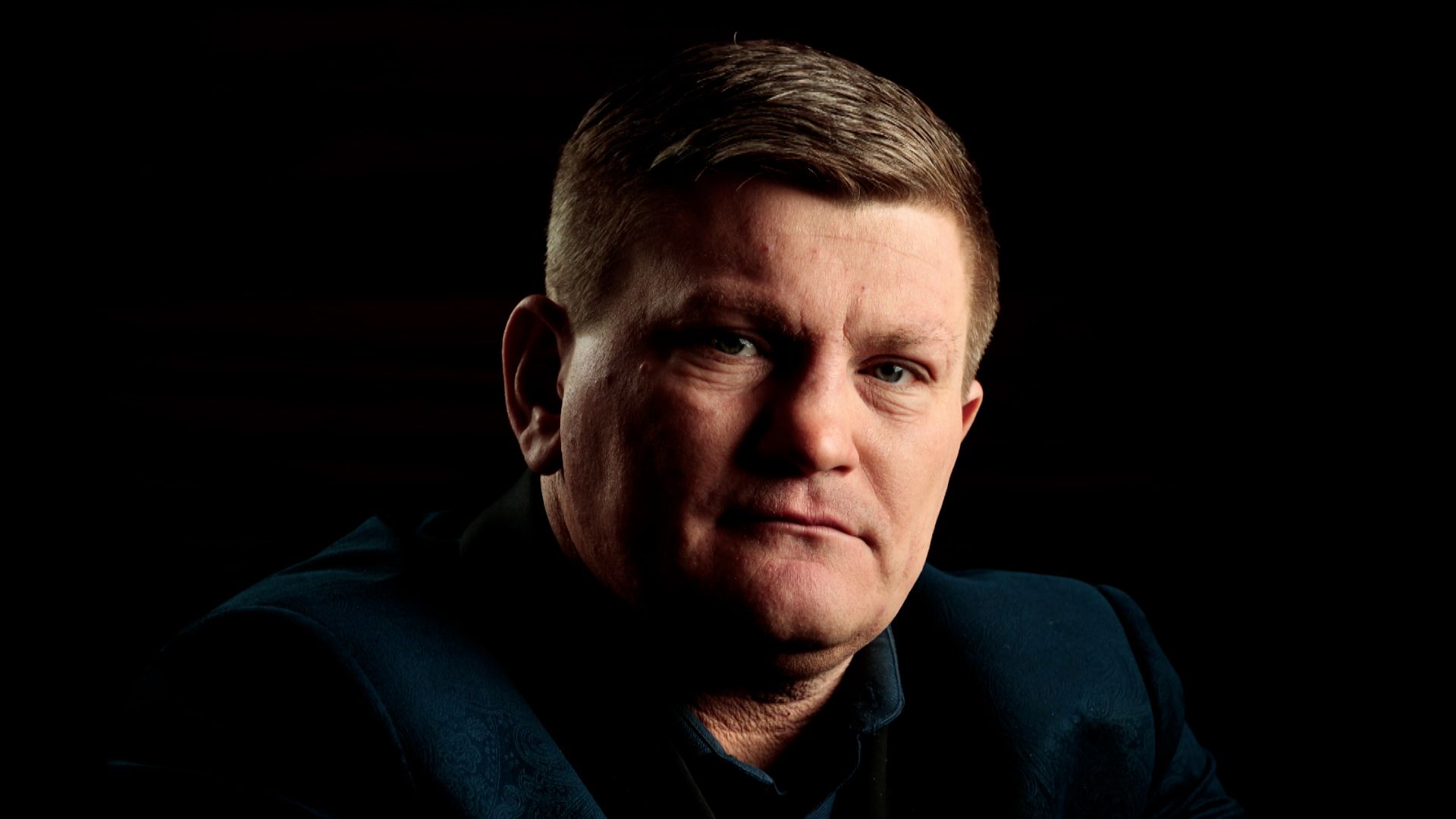
Joey Barton isn't going home. A judge made that clear during his recent appearance at Liverpool Crown Court, where the former Manchester City and Newcastle midfielder found himself facing the reality of a jail cell rather than a touchline. He's been charged with causing grievous bodily harm (GBH) with intent, a serious level of assault that carries heavy legal weight. While his legal team fought for his release on bail, the court decided the risks were too high. He'll stay behind bars until his trial begins.
This isn't just another headline about a retired athlete behaving badly. It’s a significant escalation in a long history of legal and disciplinary issues for a man who has spent much of his career and retirement in the center of a storm.
The specifics of the GBH charge
When someone is charged under Section 18 of the Offences Against the Person Act 1861, it's not a minor scuffle. GBH with intent is one of the most severe non-fatal assault charges in the UK legal system. Unlike "basic" GBH, which can happen through recklessness, this charge suggests the prosecution believes the harm caused was a deliberate goal.
The incident in question reportedly left a man with serious injuries. Barton has pleaded not guilty. He denies the version of events presented by the Crown Prosecution Service. But at this stage, the court isn't deciding if he did it. They’re deciding if he can be trusted to walk the streets while the evidence is gathered. The judge decided he couldn't.
Why bail gets denied for high profile defendants
You might think a wealthy, well-known figure would be a low flight risk. In reality, the legal system looks at three main factors when deciding on bail: the risk of the defendant failing to show up for court, the risk of them committing further offenses, and the risk of witness interference.
The prosecution argued that Barton should stay in custody to ensure the integrity of the upcoming trial. In cases involving violent charges, judges often lean toward caution. If there’s even a slight chance that a defendant might contact witnesses or if the nature of the alleged crime is severe enough, the cell door stays locked. It doesn't matter how many Premier League appearances you have on your resume. The law treats a Section 18 charge with extreme gravity because the potential prison sentence, if convicted, is life.
The pattern of controversy
It’s impossible to look at this situation without acknowledging the "Barton Factor." Most players retire and fade into coaching or punditry. Barton did both, but he never lost the combative edge that defined his playing days. From his time at Marseille to his managerial stints at Fleetwood Town and Bristol Rovers, he’s always been a lightning rod for criticism.
Lately, he’s shifted his focus to social media, where his comments on women in football and various cultural issues have sparked widespread backlash. While those tweets aren't the reason he’s in a cell right now, they contribute to a public image of a man who is constantly at odds with authority and social norms. In a courtroom, character doesn't dictate a verdict, but a history of volatile behavior certainly doesn't help when you're asking a judge for a favor like bail.
What happens during a GBH trial
A trial of this nature is a slow, methodical process. The prosecution will bring in medical experts to testify about the extent of the victim's injuries. They'll use CCTV footage, witness statements, and forensic evidence to build a timeline.
Barton’s defense will likely focus on a few key areas. They might argue self-defense, or they might challenge the "intent" aspect of the charge. If they can prove there was no intent to cause serious harm, the charge could be downgraded to Section 20 GBH, which carries a much lighter maximum sentence. But for now, that’s all months away. Barton is looking at a long wait in a high-security environment.
The reality of life on remand
Being held on remand isn't a "soft" version of prison. In many ways, it’s more stressful than serving a set sentence. You don't have a release date. You’re stuck in a state of limbo, waiting for a jury to decide your fate. For a man used to the luxury of a professional athlete's lifestyle, the transition to a prison wing is a massive shock to the system.
He’ll have limited contact with his family and his legal team. He won't have access to the digital platforms where he’s spent so much time lately. It’s a forced silence. The court’s refusal to grant bail means the legal system is prioritizing the safety of the public and the trial's process over Barton’s personal freedom.
Understanding the legal timeline
If you’re following this case, don't expect a resolution anytime soon. The UK court system is currently facing a massive backlog. It’s common for defendants on remand to wait six months or even a year for a trial slot to open up.
- The Plea and Trial Preparation Hearing (PTPH): This has already happened, where the not-guilty plea was entered.
- The Evidence Disclosure Phase: Both sides trade documents and witness lists.
- The Trial: A jury will hear the full story and deliver a verdict.
- Sentencing: Only happens if there's a conviction.
Barton is currently in the "waiting room" phase. His legal team can apply for bail again if there's a "change in circumstances," but those are hard to prove. Unless new evidence emerges that fundamentally weakens the prosecution’s case, he’s likely staying where he is.
Keep an eye on the official court listings for Liverpool. That’s where the real updates happen, far away from the noise of social media. The next few months will be about the quiet, dry work of lawyers filing motions and judges reviewing evidence. For Joey Barton, the game has moved from the pitch to a very different kind of arena, and the stakes couldn't be higher. If you're looking to understand how the UK bail system works in violent crime cases, this is a textbook example of the court's power to prioritize the judicial process over the individual's liberty.