Confusion is the only certain thing in the Middle East right now. When news broke that Israel targeted a building in Damascus where Ali Larijani, a top-tier advisor to Iran’s Supreme Leader, was supposedly meeting with Palestinian leaders, the internet went into a frenzy. Reports flew. Some said he was dead. Others said he was fine. If you’re looking for a straight answer, you have to look past the immediate headlines and understand how these high-stakes assassinations—and the rumors that follow them—actually work.
The situation in the Mazzeh district of Damascus isn't just another regional skirmish. It’s a targeted strike at the heart of Iran’s diplomatic and military coordination. Israel hasn't officially confirmed Larijani was the target, but they don't have to. The timing and the location tell the story. Larijani isn't just a bureaucrat. He’s the guy who bridges the gap between Tehran’s religious leadership and its "Axis of Resistance." If he’s gone, the communication lines between Iran and its proxies just hit a massive roadblock.
Why Ali Larijani is the Ultimate Target
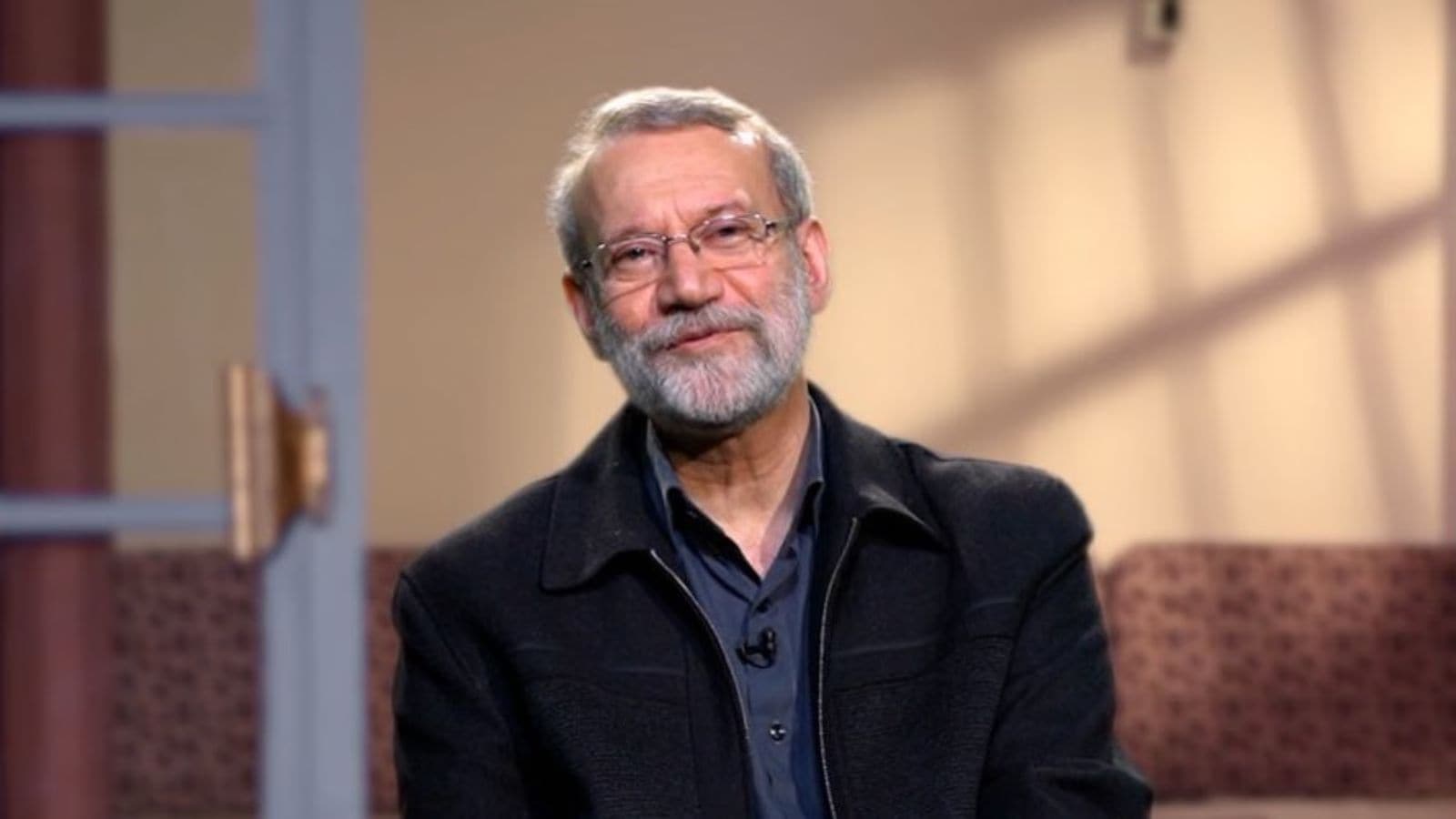
To understand why this matters, you have to know who Ali Larijani is. He’s not a young firebrand. He’s a seasoned political heavyweight. He served as the Speaker of Iran’s Parliament for over a decade. He’s been a nuclear negotiator. Currently, he’s a special envoy for Ayatollah Ali Khamenei.
In the Iranian hierarchy, Larijani represents the "old guard" that knows how to navigate both international diplomacy and covert military operations. Unlike some of the more radical IRGC commanders, Larijani has the intellectual weight to negotiate complex deals. Taking him out wouldn't just be about killing a soldier; it would be about decapitating the brain of Iran’s regional strategy.
Israel’s strategy lately has shifted. They aren't just hitting weapon shipments or border outposts anymore. They're going after the facilitators. The people who make the phone calls. The ones who sign the checks. By hitting a location where Larijani was reportedly present, Israel is sending a message: no one is untouchable, no matter how many diplomatic layers they wrap themselves in.
The Damascus Fog of War
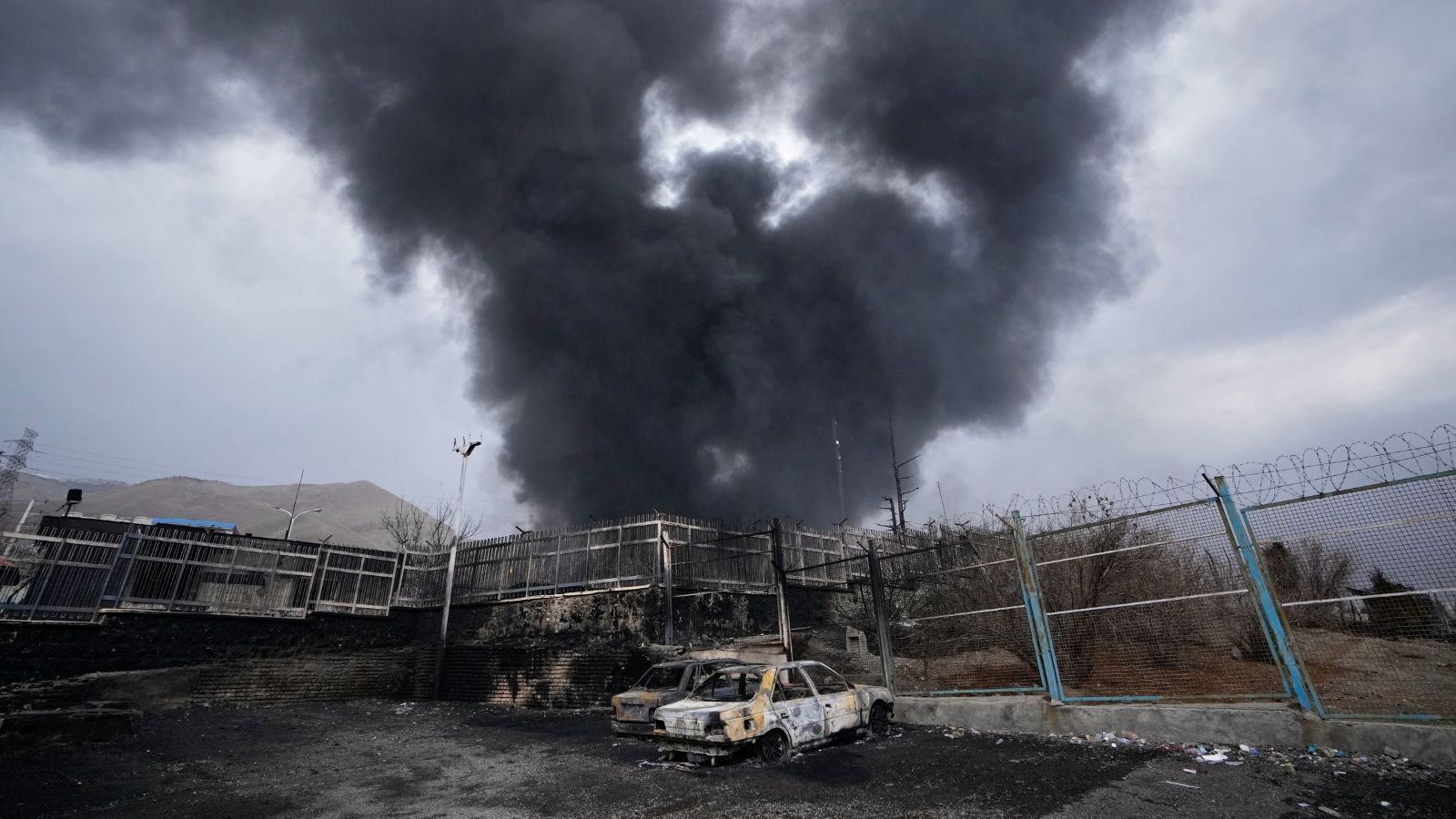
The strike hit the Mazzeh neighborhood, an area known for housing embassies and high-ranking security officials. It’s supposed to be one of the safest spots in Syria. It isn't. Not anymore.
Initial reports from Syrian state media and various regional outlets suggested multiple casualties. Then came the whispers about Larijani. Pro-Israel accounts on social media were quick to claim a successful hit. Meanwhile, Iranian sources began a frantic damage control campaign. This is a classic "proof of life" dance that we see every time a major figure is targeted.
I’ve watched this play out before. When Qasem Soleimani was killed, the news was instantaneous because the evidence was undeniable. With Larijani, it’s murkier. Iran initially stayed silent, then later released statements through semi-official channels claiming he was "safe and sound." But in this part of the world, "safe and sound" is often code for "we’re currently figuring out how to respond."
The reality is that even if Larijani survived, the strike is a massive intelligence failure for Iran. How did Israel know he was there? Who talked? These are the questions keeping officials in Tehran awake at night.
Intelligence Breaches and the Mossad Shadow
You don't just guess where a guy like Larijani is going to be. You need high-level intelligence. This strike proves that Israel has deep, perhaps unprecedented, access to the communication networks of the IRGC and the Syrian security apparatus.
There’s a pattern here. Over the last year, we’ve seen a string of high-profile hits:
- The strike on the Iranian consulate in Damascus.
- The assassination of Ismail Haniyeh in the heart of Tehran.
- The systematic removal of Hezbollah’s top leadership in Beirut.
Each of these events points to a systemic collapse of Iranian security. If Israel can find Larijani in a "secure" villa in Damascus, they can find anyone. This creates a culture of paranoia. When leaders can't trust their own drivers, their own guards, or their own encrypted phones, they stop moving. They stop meeting. Coordination breaks down. That’s exactly what Israel wants.
What This Means for the Region
The "Axis of Resistance" relies on a few key individuals to keep the gears turning. Without these coordinators, groups like Hezbollah and Hamas become fragmented. They start acting independently, which makes them easier to manage—or at least less effective as a unified front against Israel.
If Larijani is dead, or even just seriously injured, Iran loses its most effective messenger to the Syrian government and Hezbollah. He was in Damascus to deliver a message, likely regarding the ongoing ceasefire talks in Lebanon or the reshuffling of forces in Syria. By hitting the messenger, Israel essentially shredded the message.
Don't expect an immediate, massive Iranian retaliation. That’s a common mistake people make. Iran plays the long game. They prefer "shadow wars"—cyberattacks, maritime harassment, or using their proxies to fire rockets. But the more "untouchables" Israel touches, the more Iran’s regional prestige shrinks. Eventually, they’ll feel forced to do something loud.
Cutting Through the Propaganda
When you read these reports, you have to be cynical. Iranian state media will lie to save face. Israeli officials will stay quiet to maintain ambiguity. Your best bet is to watch for the "empty chair" syndrome. If Larijani doesn't appear on camera in a verifiable, non-archived video within the next 48 hours, something is wrong.
The Mazzeh strike isn't an isolated event. It’s part of a broader campaign to dismantle the infrastructure of the Iranian presence in Syria. Syria has long been the bridge for Iranian weapons traveling to Lebanon. Israel is currently blowing up that bridge, one pillar at a time.
Tracking the Next Moves
The next few days are critical. Watch for official statements from the Iranian Foreign Ministry. If they start using phrases like "martyrdom" or "cowardly aggression" without naming Larijani, they're preparing the public for bad news.
If you want to stay ahead of the curve on this, stop looking at the mainstream news tickers and start watching the flight paths between Tehran and Damascus. Watch the movements of the Syrian 4th Division. These are the real indicators of how bad the damage actually was.
Israel has signaled that the "rules of engagement" have been deleted. There are no more red lines. If you're a high-ranking Iranian official in Syria or Lebanon, you're a target. Period.
Check the latest updates from verified regional analysts who specialize in OSINT (Open Source Intelligence). They often spot the discrepancies in state-run media before anyone else. Keep a close eye on the official Telegram channels of the IRGC; they usually leak the real sentiment of the leadership long before a formal press release hits the wires.