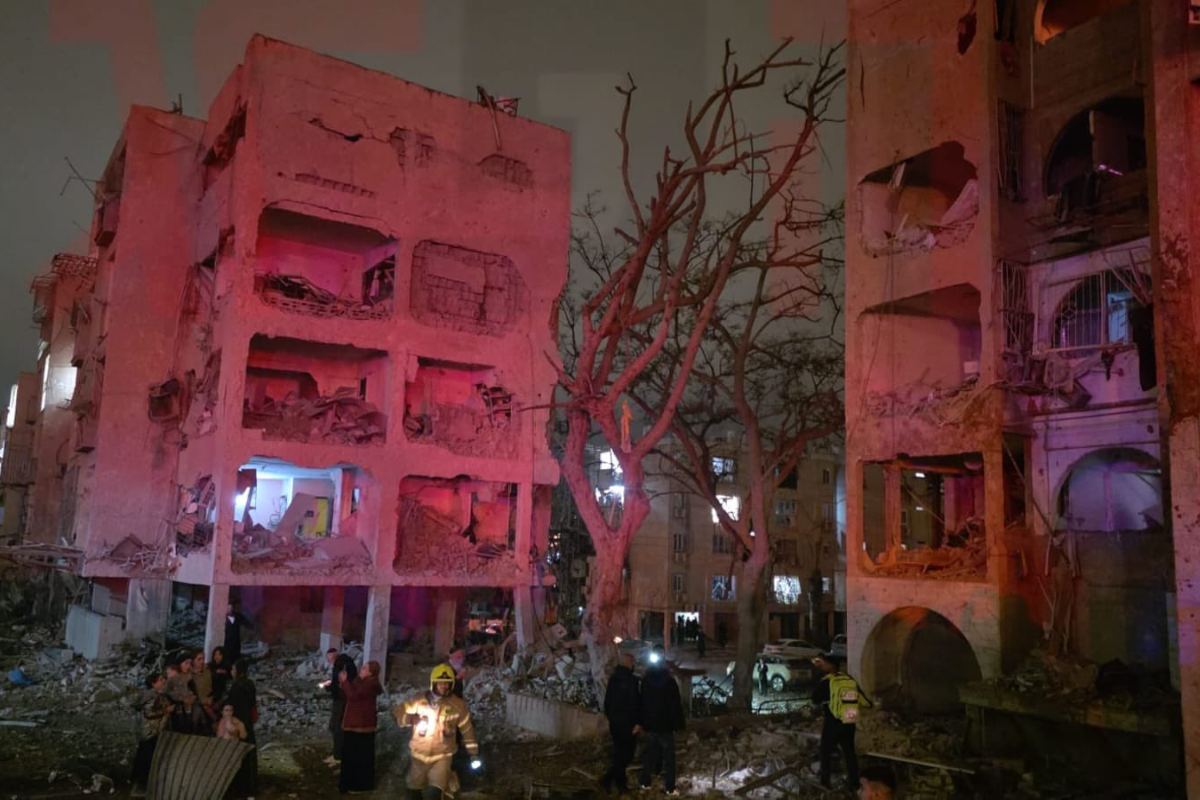
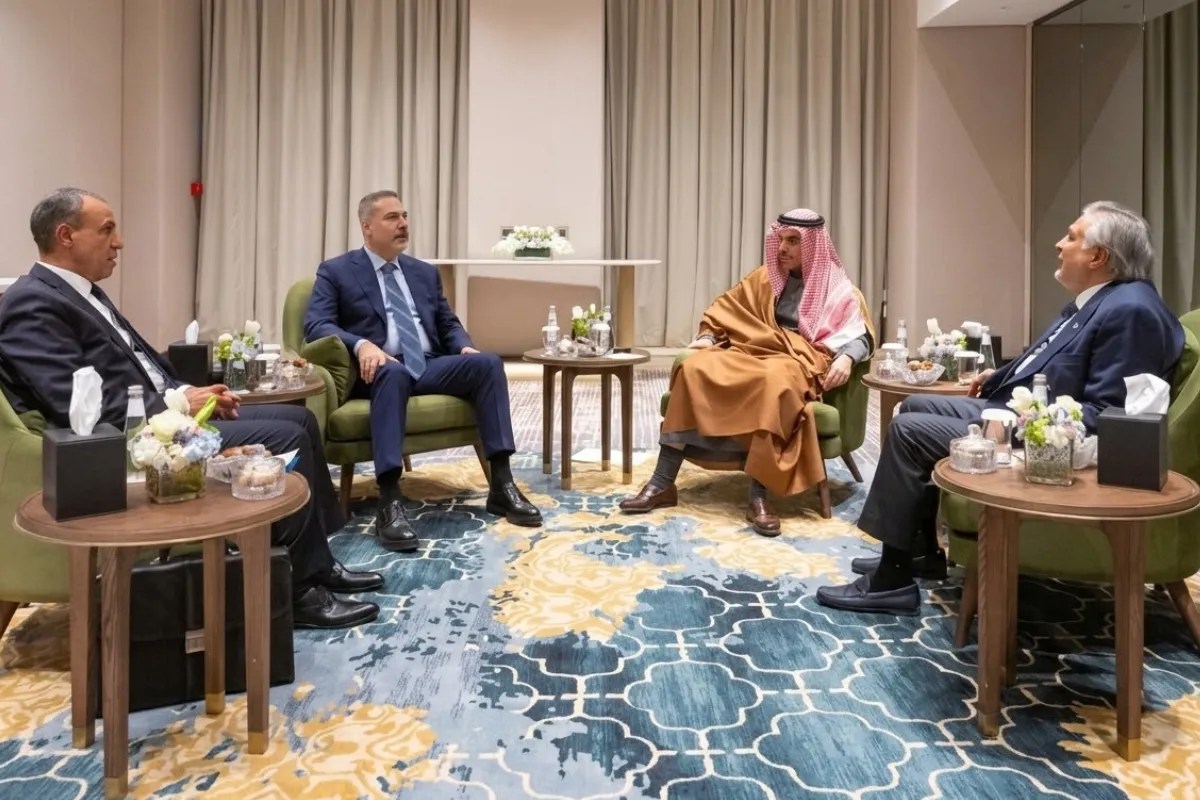
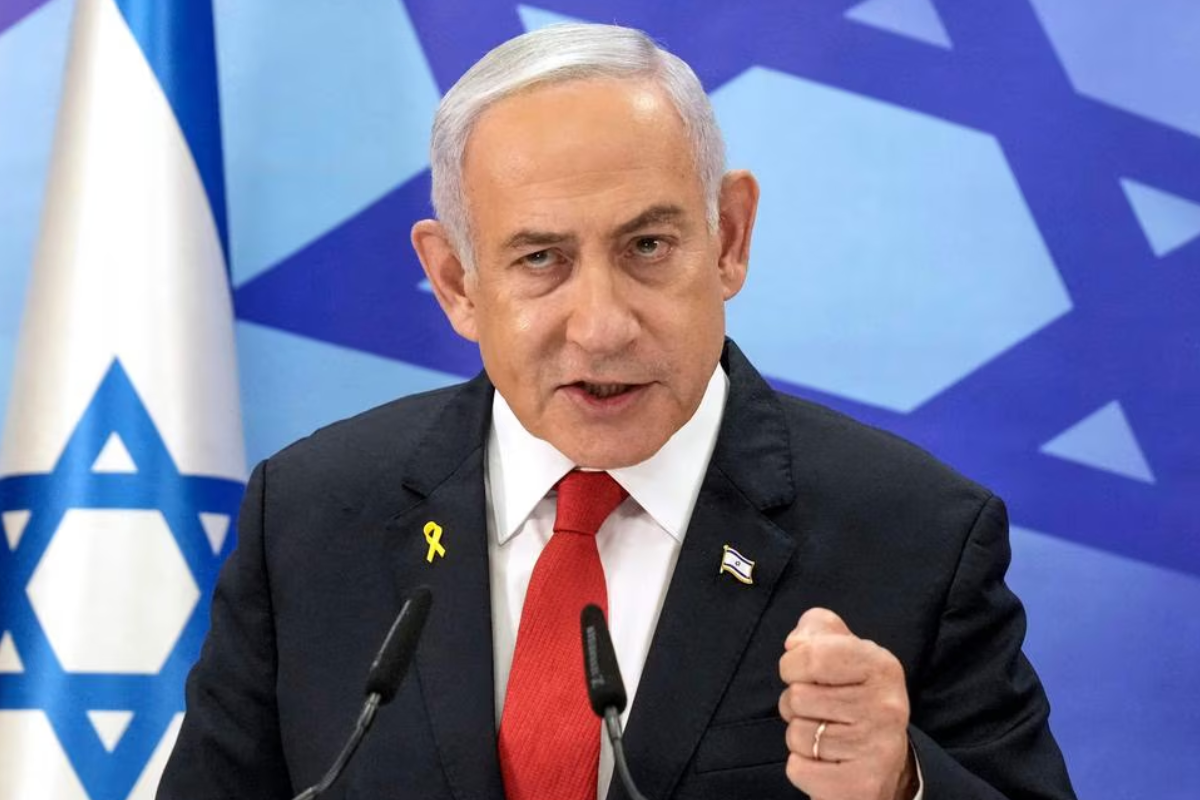
The clock is ticking on a 48-hour window that could fundamentally rewrite the rules of global energy security. On Saturday night, Donald Trump took to social media to issue a scorched-earth ultimatum to Tehran: fully open the Strait of Hormuz or watch your power grid vanish. It's a move that pushes the current conflict into a territory we haven't seen in decades. By threatening to "obliterate" Iranian power plants, starting with the biggest ones first, the U.S. isn't just targeting military assets anymore. It's targeting the very heartbeat of Iranian civilian life.
You have to understand the gravity of this specific chokepoint. The Strait of Hormuz isn't just a strip of water; it’s the jugular vein of the global economy. Roughly 20% of the world’s total oil supply and liquefied natural gas (LNG) flows through this narrow passage. For weeks, that flow hasn't just been restricted—it’s been functionally dead. While Iran claims the waterway is "open," the reality is that no sane shipping insurer is touching a tanker headed into those waters.
The 48 Hour Deadline and the Infrastructure Threat
Trump’s post on Truth Social wasn't subtle. He set the deadline at 11:44 p.m. U.K. time on Saturday, giving Iran until Monday night to comply. The shift in strategy here is massive. Until now, the U.S. and Israel have focused on military sites and nuclear facilities. Targeting power plants like the Damavand gas plant or the Bushehr nuclear facility moves the goalposts.
If the U.S. follows through, it isn't just about "winning" a battle. It’s about plunging a nation of 85 million people into darkness. Critics, including Senator Ed Markey, have already started calling this a potential war crime, but the administration seems convinced that only total economic and structural pressure will force Iran’s hand.
Tehran hasn't flinched yet. In fact, they’ve doubled down. The Khatam al-Anbiya military command responded almost immediately, promising to target U.S. and Israeli energy, IT, and desalination infrastructure across the entire Middle East. If you think gas prices are high now, imagine a scenario where the region’s water-processing plants and data centers are also under fire.
Why the Strait of Hormuz is Different This Time
We’ve seen "tanker wars" before, specifically in the 1980s. But 2026 is a different beast. In previous shocks like 1973 or 1990, the world lost maybe 4% to 6% of its oil supply. Today, we’re looking at a potential 20% vacuum. There isn't enough spare capacity in the world to plug a hole that big.
- Insurance is the real blockade: Iran doesn't even need to sink a ship to close the strait. By simply creating enough risk, they’ve made it "commercially unusable."
- The LNG Factor: This isn't just an oil problem. Qatar’s massive LNG exports, which Europe and Asia rely on to keep the lights on, are completely trapped by this standoff.
- The "Chinese Pass": Interestingly, Iran has hinted they’ll let Chinese vessels through. We’re already seeing tankers try to "spoof" their identity, broadcasting signals that claim they have Chinese crews just to get past the IRGC patrols.
NATO and the Cowardice Narrative
One of the most telling parts of Trump's recent rhetoric is his lashing out at NATO. He’s called them "cowards" and "paper tigers" for refusing to join a mission to escort tankers through the strait. From the perspective of London or Paris, joining this mission feels like being dragged into a war they didn't start and don't want.
But for Trump, the math is simpler: you want low oil prices? Then help us clear the path. This friction within the alliance is exactly what Tehran wants to see. It weakens the unified front and leaves the U.S. acting as the lone enforcer in a region that's increasingly hostile to Western intervention.
What This Means for Your Wallet
If the 48-hour deadline passes without a resolution, the economic fallout will be immediate.
- Oil Prices: Brent crude is already flirting with four-year highs. Analysts at Goldman Sachs suggest a full one-month closure could add $15 to the price of every barrel, and that’s a conservative estimate.
- Inflation Spike: We’re looking at "stagflation" on steroids. High fuel costs drive up the price of everything from groceries to Amazon deliveries.
- Global Energy Chaos: In Europe, wholesale gas prices could triple. We’re talking about a return to the 2022 energy crisis levels, but with even less diplomatic maneuvering room.
The Immediate Reality
Don't expect a quiet climb-down. Iran’s strategy doesn't rely on a massive navy; it relies on cheap drones and shore-based missiles. They can inflict "asymmetric" damage that makes the cost of doing business in the Gulf too high for any corporation to bear.
If you're tracking this, watch the insurance markets. The moment "war risk" coverage is officially withdrawn for all vessels in the Persian Gulf, the "soft closure" becomes a hard reality.
What you should do now:
- Monitor the Monday night deadline: (23:44 GMT). This is the pivot point.
- Watch the Brent Crude ticker: If it breaks past $100, the market is pricing in a long-term blockade.
- Check local energy policies: Governments in Asia and Europe are already preparing "emergency drawdowns" from strategic reserves.
The next 24 hours will decide if we're heading toward a regional de-escalation or a global energy depression. Honestly, it's a coin toss right now. Luck isn't a strategy, but at this point, it might be all the global economy has left.