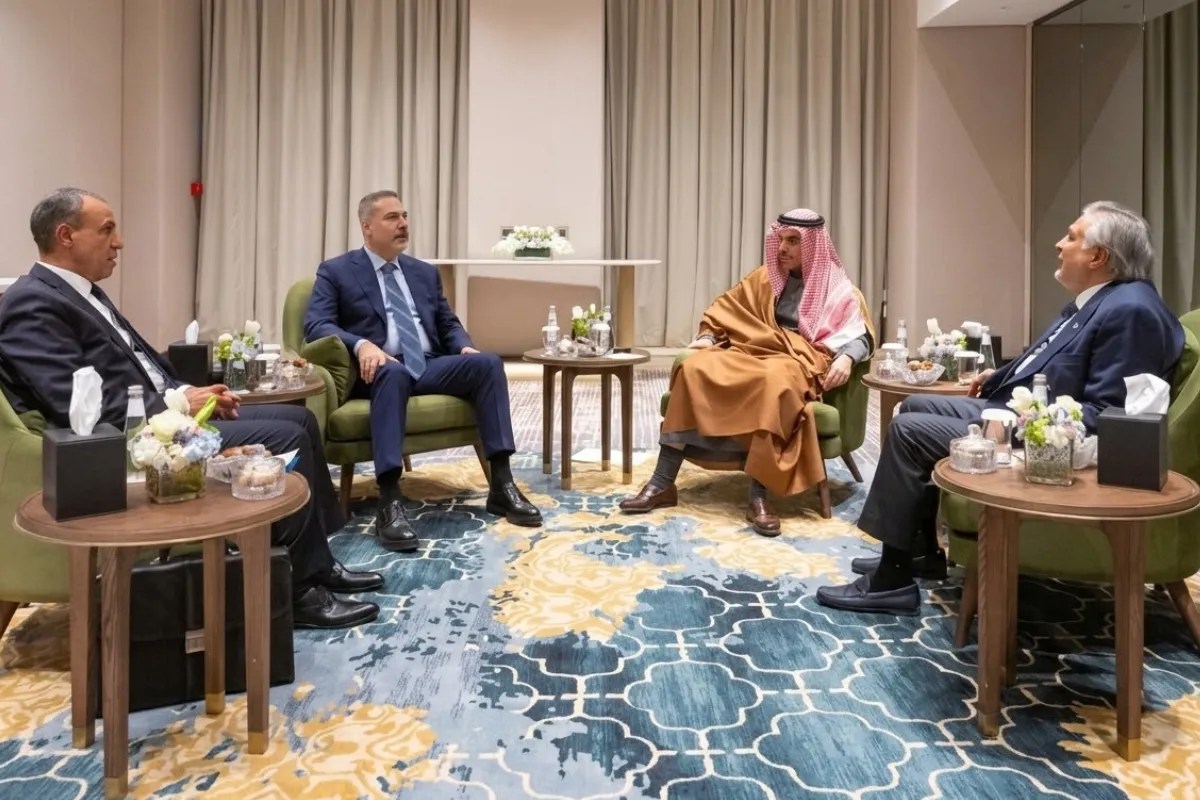
The Middle East doesn’t do "quiet" very well. Right now, the air in the region feels heavy, charged with the kind of electricity that usually precedes a massive storm. While most of the world watches the headlines about drones and missile counts, something much more subtle and potentially more powerful just happened in Saudi Arabia.
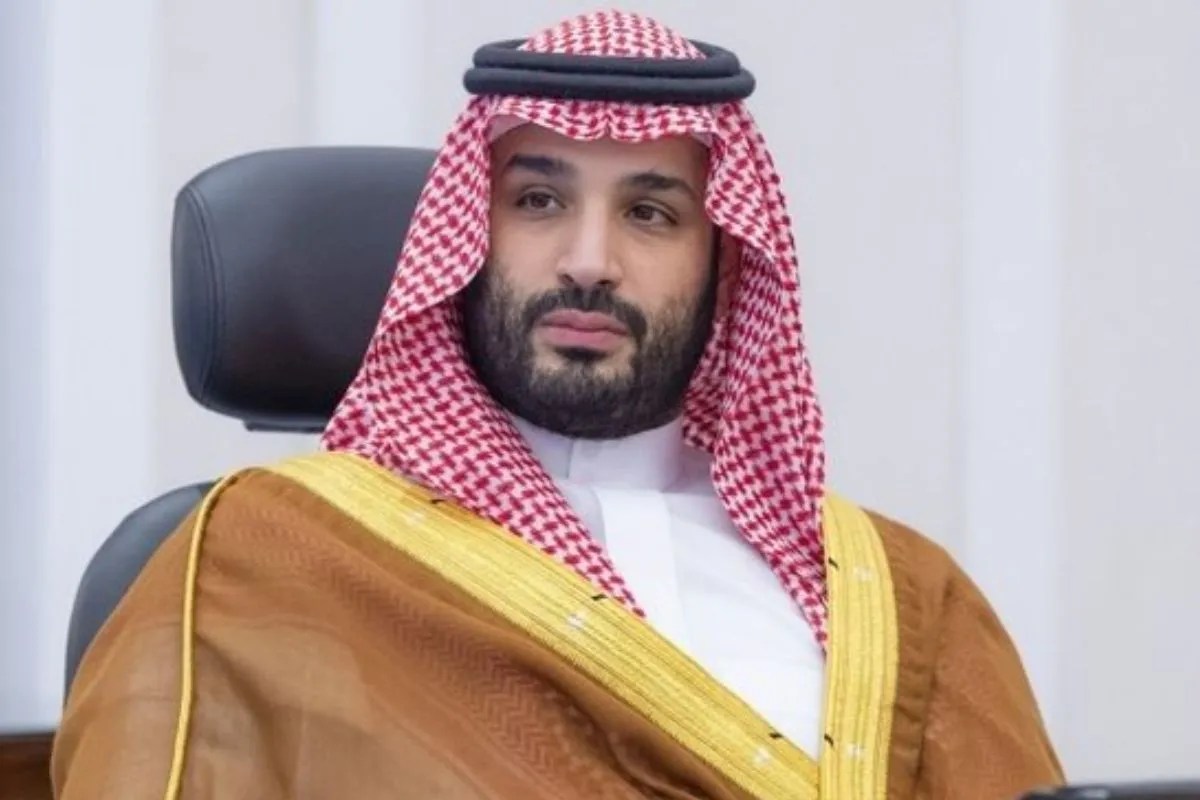
Representatives from four key Muslim nations—Saudi Arabia, Jordan, Egypt, and Turkey—sat down in Riyadh. They didn't just meet for coffee or a photo op. They met because the tension between Iran and Israel has reached a boiling point that threatens to scald everyone nearby. If you think this is just another diplomatic talk shop, you’re missing the bigger picture. This is about survival and the desperate attempt to stop a regional wildfire before it starts.
The Riyadh meeting and the urgent push for de-escalation
Saudi Arabia isn't acting out of pure altruism. None of these countries are. They're acting out of a very grounded, very justified fear. The "Riyadh Four" represent a specific bloc of sunni-majority power and traditional Arab leadership that simply cannot afford a full-scale war between Iran and Israel.
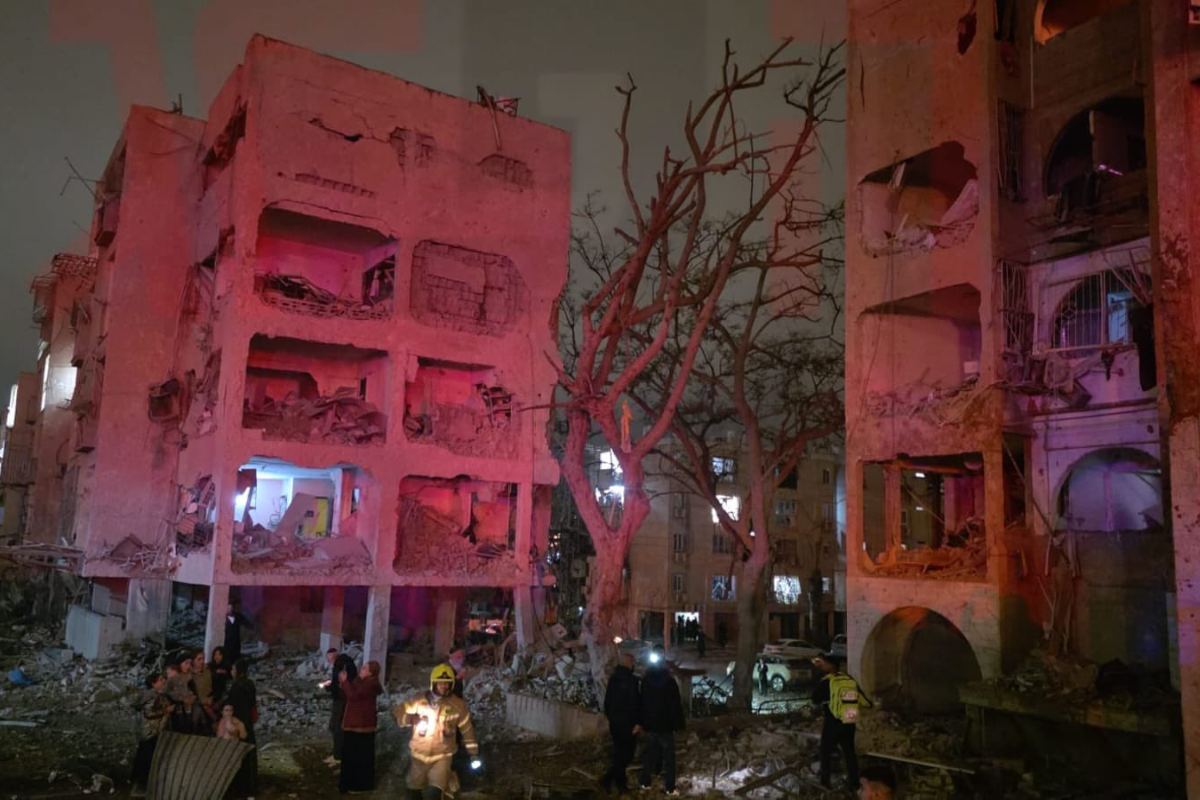
When Iran and Israel trade blows, the shrapnel hits neighbors. Jordan has already found itself in the literal line of fire, intercepting projectiles over its own airspace. Egypt is grappling with an economy that’s already on life support; a regional war would be the final blow. By bringing Turkey into the fold, Saudi Arabia is signaling a unified front that bridges the gap between the Arab world and Ankara.
This meeting focused on one cold reality. If the cycle of "eye for an eye" continues between Tehran and Tel Aviv, the diplomatic progress made over the last decade vanishes. We’re talking about the potential collapse of shipping lanes, a spike in oil prices that would make 2022 look like a bargain, and a refugee crisis that would dwarf anything we've seen this century.
What the competitor reports got wrong about Iran
Most news outlets are framing this as a simple "peace meeting." That’s a lazy take. It’s actually a strategic huddle to manage a vacuum of leadership. For years, the region relied on the U.S. to be the police officer. That’s over. Washington is distracted by domestic elections and the war in Ukraine.
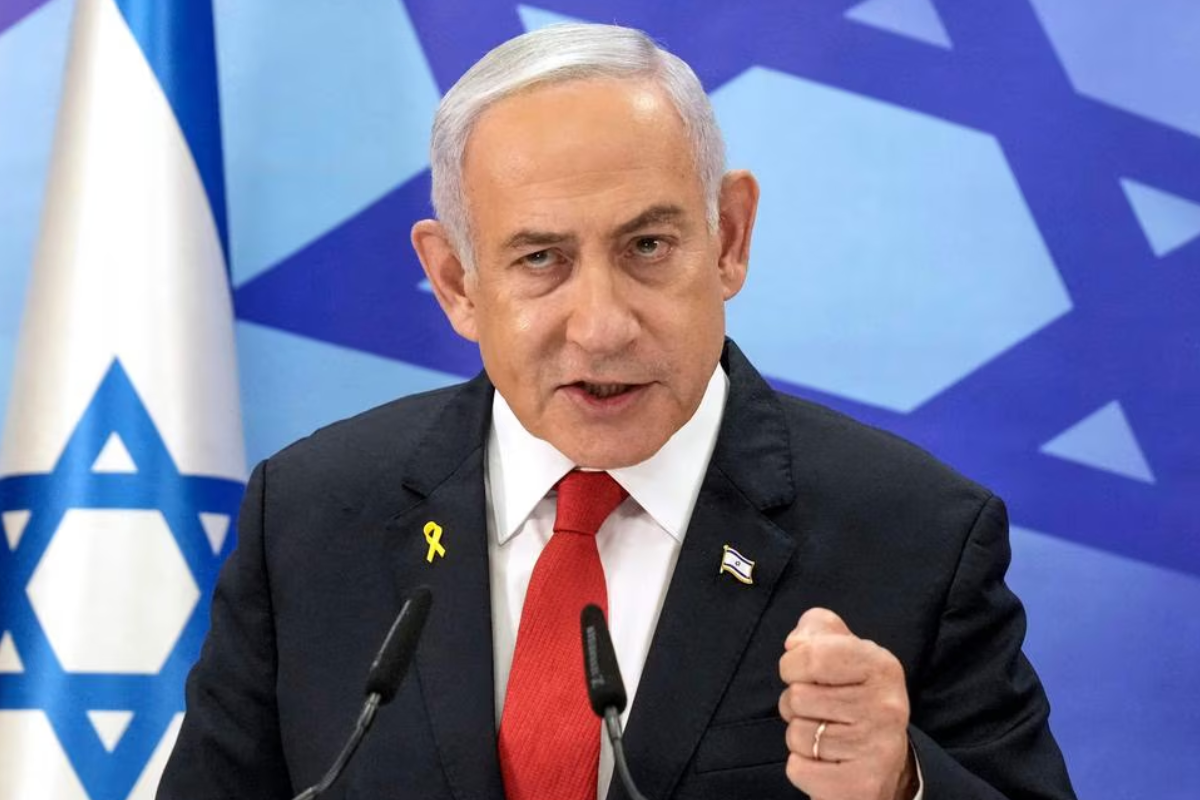
The Riyadh meeting proves that the Middle East is tired of waiting for a Western savior. These four countries are trying to build a "buffer of reason." They know they can’t control Benjamin Netanyahu and they definitely can’t control the IRGC in Tehran. What they can do is create a diplomatic corridor that makes it harder for both sides to drag the rest of the region into the abyss.
Don't mistake this for a pro-Iran or pro-Israel stance. It’s a pro-stability stance. Turkey’s involvement is especially telling. Erdogan has been a vocal critic of Israeli actions in Gaza, but he’s also a pragmatist. He knows that a chaotic Iran is bad for Turkish borders. This isn't about liking your neighbor. It’s about making sure your neighbor’s house doesn't burn yours down.
The hidden pressure on Jordan and Egypt
Jordan is in a nightmare spot. They have a massive Palestinian population and a peace treaty with Israel. When Iran sends drones toward Israel, those drones fly over Amman. If Jordan shoots them down, they look like Israel's shield to their own people. If they don't, they risk their own security. The Riyadh meeting gave King Abdullah II a chance to say, "I’m not standing alone."
Egypt is facing a similar squeeze. With the Suez Canal seeing less traffic due to Houthi attacks in the Red Sea, Cairo is losing billions. Sisi needs this tension to end yesterday. The Riyadh talks weren't just about military strategy; they were about economic preservation.
Why this bloc matters more than the UN right now
Let’s be honest. The UN is toothless in the Levant. Real power resides in bilateral agreements and regional blocs. When Saudi Arabia and Turkey agree on a roadmap for de-escalation, people in Tehran and Tel Aviv actually have to listen. These are the countries that control the land, the sea routes, and the religious narrative.
The Riyadh Four are focusing on three specific pillars:
- Immediate Ceasefire in Gaza: They recognize that as long as the war in Gaza rages, Iran has the perfect excuse to "retaliate" via proxies.
- Sovereignty Guarantees: Ensuring that no country’s airspace is used as a playground for foreign missiles.
- Economic De-risking: Creating a pact to keep trade flowing even if local skirmishes continue.
The reality of the Iranian threat
You can't talk about Riyadh without talking about the shadow of the Crescent. Iran’s influence through the "Axis of Resistance" is the elephant in the room. The Riyadh Four aren't trying to dismantle Iran’s proxy network—they aren't that naive. They are trying to convince Iran that the cost of using those proxies has become too high.
If Saudi Arabia decides to pull back on the normalization talks or rethink its recent detente with Tehran, Iran loses its biggest win in years. The Riyadh meeting was a subtle reminder to Iran: "We started talking to you to bring peace, not to give you a green light for regional chaos."
Moving beyond the headlines
Stop looking at this as a one-time event. This is the start of a permanent regional security architecture. You should expect to see more of these "mini-lateral" meetings. The old way of doing things—waiting for a massive summit with 22 countries where nothing gets done—is dead. Small, powerful groups of four or five countries are the new way the Middle East gets things done.
Watch the skies over the next few weeks. If the rhetoric from Tehran cools down even slightly, you can thank the quiet, intense conversations that happened behind closed doors in Riyadh. This isn't about world peace; it's about regional management. And in 2026, management is the best we can hope for.
Keep an eye on the official statements coming out of Ankara and Cairo over the next 48 hours. If they mirror the Saudi line on "regional restraint," it means the pact is holding. If you’re invested in global markets or just care about the price of gas, this is the only meeting that actually mattered this month.