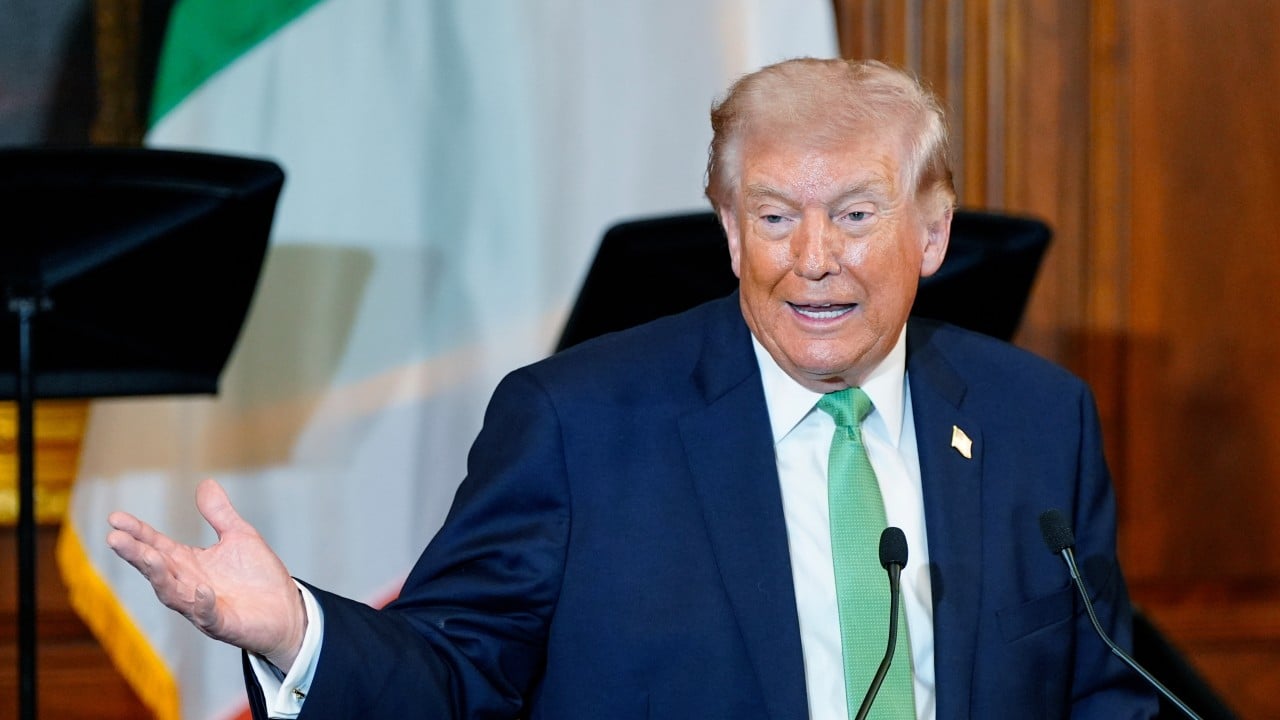
Donald Trump just hit the brakes on his trip to Beijing, and honestly, it’s about time someone admitted the obvious. You can’t negotiate a "historic" trade reset while you’re busy running a shooting war in the Middle East. On Tuesday, from the comfort of the Oval Office, Trump confirmed he’s pushing back his late-March sit-down with Xi Jinping by about five or six weeks.
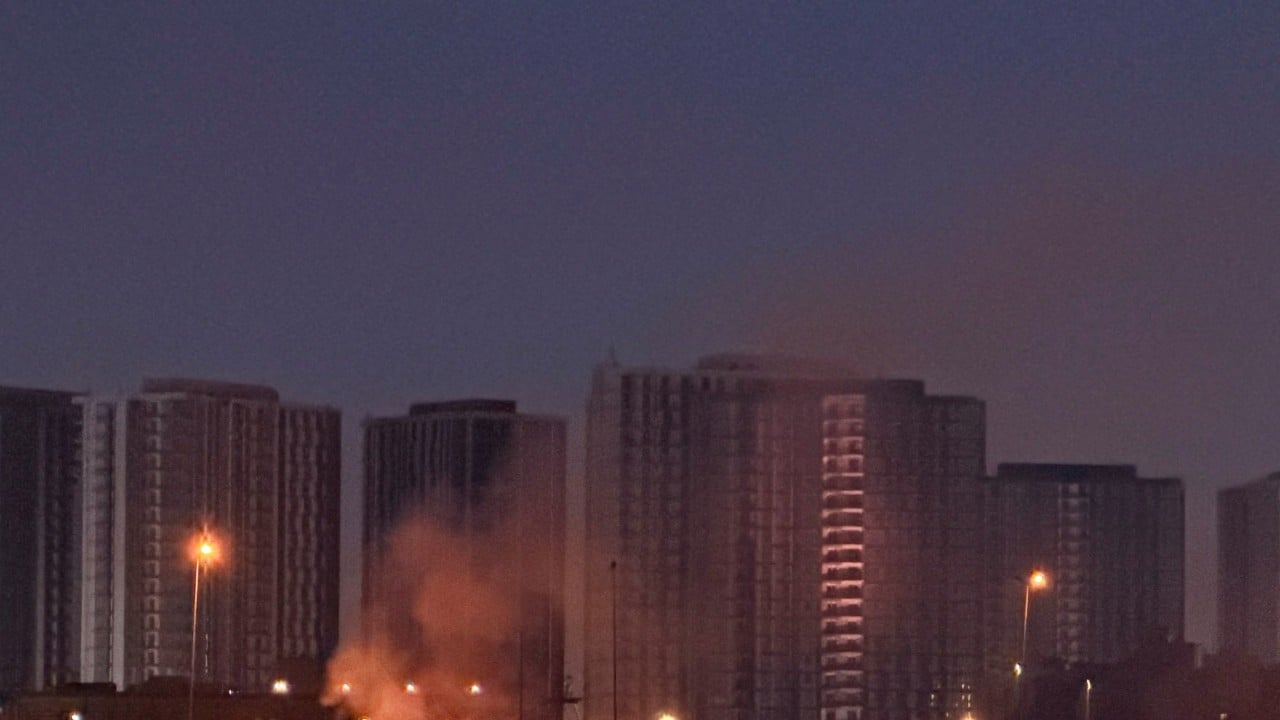
The official line? He needs to stay in D.C. to coordinate "Operation Epic Fury," the U.S.-Israeli campaign against Iran that’s now dragging into its third week. But if you look past the "Commander-in-Chief" optics, there’s a much messier reality involving oil, empty threats, and a Strait of Hormuz that’s currently a ghost town.
The Hormuz Leverage Play
The real reason for the delay isn't just "logistics" as Treasury Secretary Scott Bessent tried to claim on CNBC. It's about the Strait of Hormuz. Iran has effectively shut down the world’s most critical oil artery in retaliation for U.S. strikes. Trump hasn't been shy about his expectations. He’s been publicly leaning on China—the world’s biggest oil importer—to send warships and help the U.S. reopen the path.
He basically told the Financial Times over the weekend that he wanted to know if Beijing would play ball before he stepped on a plane. China didn't blink. Beijing has zero interest in joining a U.S.-led military coalition to bail out a war they think Washington started and can’t finish. By delaying the trip, Trump is trying to buy time to see if the economic pain of $100-a-barrel oil forces Xi’s hand.
Why China is Fine With Waiting
While the White House frames this as a U.S. request, don’t think for a second that Beijing is crying into their tea. A March 31 summit was always a rush job.
- Preparation Time: Usually, these summits take months of granular planning. This one was thrown together in weeks.
- Avoiding Embarrassment: Imagine Xi hosting a lavish state dinner while U.S. missiles are hitting Iranian infrastructure—infrastructure that China helped build. It’s a diplomatic nightmare for them.
- Energy Buffers: Unlike Japan or South Korea, which are panicking over oil reserves, China has massive domestic stockpiles and alternative land-based pipelines. They can wait.
The Trade Reset on Life Support
Before Iran blew up the schedule, this trip was supposed to be the "big one." We’re talking about a formal "U.S.-China Board of Trade" to replace the chaotic tariff-of-the-week approach. In Paris this week, Bessent and Chinese Vice Premier He Lifeng were already hashing out the details: more U.S. beef and poultry exports in exchange for some stability on tech sanctions.
But the war changed the math. The U.S. just launched new trade investigations into "forced labor" and "excess capacity" last week. It’s hard to talk about a "new era of cooperation" when you’re simultaneously threatening to slap 100% tariffs on everything from EVs to solar panels because your Supreme Court struck down the old ones.
The Midterm Factor
Trump needs a win. With the midterms looming, a "Phase 2" trade deal that puts billions back into the pockets of American farmers would be gold. But he can't look weak. If he goes to Beijing now, without a commitment from China on Iran or the Strait of Hormuz, he looks like he’s begging for a deal while the Middle East burns.
The delay lets him maintain the "strongman" image. He gets to stay in the Situation Room, look busy with the war, and tell his base that he’s making China wait for him.
What Happens in Five Weeks
If you think this is just a minor scheduling tweak, you’re missing the forest for the trees. By late April, the Iran conflict will either be over or it’ll be a regional quagmire.
- If the war ends: Trump rolls into Beijing as a "victor" who stabilized the Middle East and is now ready to fix the economy.
- If it drags on: The meeting might get pushed again. Or worse, it becomes a confrontation.
China is already filling the humanitarian gap, announcing aid for Iran, Jordan, and Lebanon. They’re positioning themselves as the "adult in the room" while the U.S. uses "unilateral force." That’s a dangerous dynamic for Washington.
Practical Realities for Investors
If you’re watching the markets, ignore the White House spin about "logistics." Keep your eyes on the oil tankers.
- Watch the Strait: Until ships are moving through Hormuz without an escort, energy prices will stay volatile.
- Monitor the "Board of Trade": If this proposed body actually gets legs during the delay, it means the underlying economic relationship is still functional.
- Check the Rhetoric: If Trump starts blaming China for "high gas prices" because they won't help in Iran, the late-April summit is probably dead on arrival.
Don't expect a new date to be etched in stone yet. Trump said "five or six weeks," but in this administration, that's an eternity. Watch for whether the U.S. Treasury continues the "constructive" dialogue in the meantime or if the war rhetoric swallows the trade talks whole.