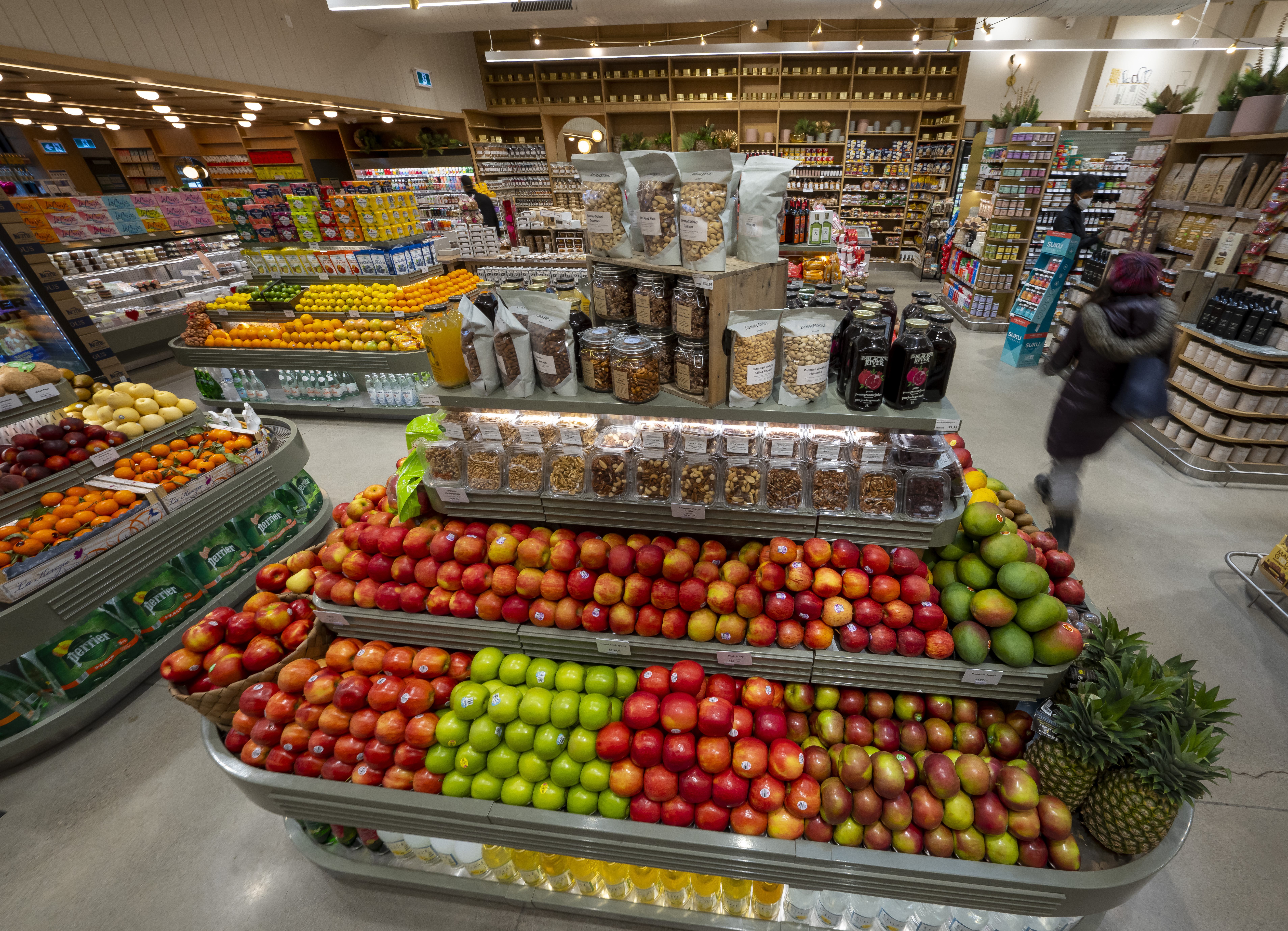
The red laser of the scanner chirps. It is a mundane sound, the heartbeat of the modern economy. For Sarah, a mother of two standing in a checkout line in Winnipeg, that chirp usually means another five dollars gone from a tightening budget. She glances at the digital display, expecting the $7.49 price tag she saw on the shelf for a box of oat cereal.
The screen flashes $8.92. You might also find this related coverage interesting: Strategic Asymmetry and the Kinetic Deconstruction of Iranian Integrated Air Defense.
Sarah blinks. She looks back at the shelf, then at the clerk. The clerk shrugs, a gesture of weary helplessness. "Prices change," he says. In that moment, Sarah isn't just a consumer; she is a data point being processed by an algorithm she cannot see, influenced by a "dynamic pricing" model that calculates her desperation in real-time. This isn't a glitch. It is the new frontier of Canadian retail, and the Province of Manitoba has decided to pick a fight with the ghosts in the machine.
The Digital Eraser
For decades, the grocery store was a place of static certainty. A price tag was a contract. You picked up a jar of peanut butter, you saw the number, and that number remained true until you reached the register. But the introduction of Electronic Shelf Labels (ESLs) has turned the grocery aisle into a stock market floor. As reported in recent articles by NPR, the results are significant.
These small, digital screens allow headquarters to change the price of every item in the store with a single keystroke. In theory, this helps stores update sales or reflect supply chain shifts without wasting paper. In practice, it creates a "surge pricing" environment. Imagine the price of ice cream climbing as the afternoon temperature rises, or the cost of milk ticking upward during the post-work rush when the store knows you are too tired to go elsewhere.
The Manitoba government recently introduced legislation aimed squarely at this practice. The bill seeks to pull back the curtain on how these technologies are used, specifically targeting the potential for "discriminatory pricing." This isn't just about a few cents. It is about the fundamental erosion of trust between the person selling the bread and the person buying it.
Algorithms of Scarcity
Consider a hypothetical scenario to understand the stakes. A grocery chain implements an AI-driven system that tracks local inventory and competitor pricing. On a Tuesday morning, a blizzard is forecasted for the prairies. The system recognizes a spike in searches for "bread" and "salt" in the Winnipeg area.
By the time the first flake hits the ground, the electronic labels have already adjusted. The bread that was $3.00 at 9:00 AM is now $4.50 by noon. There is no human manager marking up the price with a sense of guilt; there is only a line of code optimizing for "maximum yield."
This is the "invisible stake" the Manitoba bill intends to address. When pricing becomes fluid, the consumer loses their only leverage: the ability to plan. For those living on fixed incomes—seniors, students, or families on provincial assistance—a $1.50 jump isn't a nuisance. It's a crisis. It is the difference between buying eggs or skipping them.
The Myth of Efficiency
Retailers often argue that dynamic pricing is a tool for efficiency. They claim it reduces food waste by lowering prices on items nearing their expiration date. They say it allows them to stay competitive in a global market. But the power imbalance is staggering.
The store has the data. They know your shopping habits via loyalty cards. They know the weather. They know the inventory levels of the store three blocks away. You, standing in aisle four, have a crumpled grocery list and a limited amount of time before you have to pick up the kids.
The Manitoba legislation proposes a simple, radical idea: transparency. If a price can change in an instant, the consumer must be protected from predatory shifts that happen while they are literally walking to the till. The bill suggests that once a customer enters a store, the price they see should be the price they pay, regardless of what the algorithm decides five minutes later.
A Question of Human Dignity
The move by Manitoba's Consumer Protection Ministry isn't just about economics. It is a pushback against the "Uber-ification" of essential goods. We have become accustomed to surge pricing for a ride home from a bar or a flight to Cancun. Those are, to some extent, luxuries.
Food is not a luxury.
When technology is used to squeeze an extra nickel out of a person buying flour, it ceases to be "innovation." It becomes a tax on existence. The tension in the Manitoba legislature isn't just between political parties; it is between a digital future that treats humans as harvestable data and a traditional belief that certain parts of life should remain predictable.
The Ghost in the Aisle
We are moving toward a world where the person standing next to you might be charged a different price for the same gallon of milk because their loyalty app suggests they are less "price-sensitive." It sounds like science fiction, but the infrastructure—those little glowing screens on the shelves—is already in place.
Manitoba is the first to blink. By introducing this bill, the province is signaling that the "free market" cannot be allowed to run on autopilot when the cargo is the dinner on a family's table.
Sarah leaves the store with her cereal. She paid the higher price this time because the kids were waiting and the line was long. She felt a simmering sense of unfairness, a feeling that the rules of the game had changed without anyone telling her. As she walks through the sliding glass doors, the electronic label back in aisle six flickers. The price of the oats drops by forty cents. The rush is over. The algorithm is satisfied.
The red laser is ready for the next person.
The silent flicker of a digital screen shouldn't be the sound of a family's budget breaking.