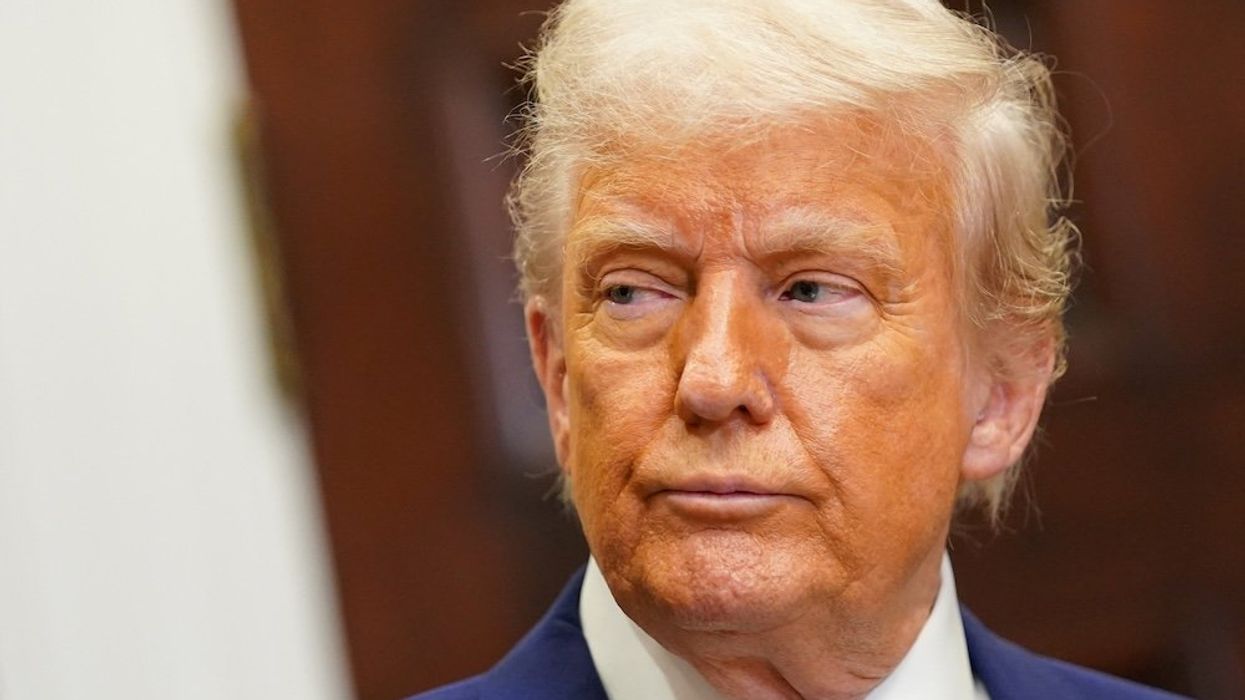
Donald Trump isn't hiding his hand anymore. After the ouster of Nicolás Maduro in Venezuela and the ongoing military campaign in Iran, the White House has turned its full attention toward Havana. On March 16, 2026, Trump told reporters he expects to have the "honor of taking Cuba." He described the island as a "very weakened nation right now," and frankly, he isn't wrong about the state of their infrastructure.
The island of 9.6 million people just hit a breaking point. A total grid collapse plunged the entire country into darkness this week. While the Cuban government blames an American oil embargo, the reality is a mix of crumbling Soviet-era equipment and a sudden loss of their biggest lifeline: Venezuela. Without Venezuelan oil or the hard currency to buy spare parts, Cuba is effectively running on fumes. You might also find this similar coverage interesting: The $2 Billion Pause and the High Stakes of Silence.
The Trump Corollary and the New Monroe Doctrine
This isn't just about an old Cold War grudge. Trump is operating under what some are calling the "Don-roe Doctrine." It's a hyper-aggressive update to the Monroe Doctrine that asserts absolute U.S. preeminence in the Western Hemisphere. By removing Maduro in January, Trump cut off Cuba’s primary source of subsidized fuel. Now, he's using a "total pressure" strategy to force a regime change or a "friendly takeover."
The strategy is simple but brutal. In late January, Trump signed an executive order that threatens massive tariffs on any country—including allies like Mexico—that sends oil to Cuba. Mexico’s Pemex already halted shipments under pressure. Nicaragua cancelled visa-free travel for Cubans, closing a popular escape valve for migrants. Even the famous Cuban medical missions are being dismantled as countries like Guatemala and Honduras pull out under U.S. diplomatic pressure. As extensively documented in detailed coverage by NBC News, the results are significant.
Life on an Island Without Power
If you think a blackout is just about turning off the lights, you haven't seen Cuba lately. People are banging pots and pans in the streets of towns like Morón. They’re yelling "Libertad" because they can't pump water, refrigerate food, or run hospitals. The national grid, managed by Unión Eléctrica de Cuba (UNE), is basically a museum piece. Outages of 20 hours a day are the new normal in the provinces.
Trump’s comments aboard Air Force One were telling. He said he could "free it" or "take it" and that he could do "anything I want with it." It’s an incredibly direct stance that ignores decades of cautious diplomacy. He’s betting that the Cuban government, led by Miguel Díaz-Canel, will fold before the year is out.
Is a Deal Actually on the Table
Despite the "taking" rhetoric, there’s a quieter track of negotiation happening. Secretary of State Marco Rubio is reportedly leading high-level talks. The U.S. demands are clear:
- Removal of President Miguel Díaz-Canel from power.
- Release of all political prisoners.
- Transition toward a multi-party democracy and market liberalization.
In a desperate bid for air, Cuba’s Foreign Trade Minister, Oscar Pérez-Oliva, recently announced that the island is "open" to investment from the Cuban diaspora. This is a massive shift. For decades, the regime treated exiles as enemies. Now, they're begging those same people to come back and own businesses or invest in infrastructure. It smells like a last-ditch effort to survive without surrendering total political control.
The Regional Ripple Effect
What happens in Havana doesn't stay in Havana. If Cuba collapses entirely, the U.S. faces a massive migration crisis. Florida is already bracing for it. On the other hand, if Trump successfully installs a friendly government, he completes a "clean sweep" of his major adversaries in the hemisphere.
The U.S. has already issued a license allowing some companies to sell oil to Cuba’s private sector, but not the government. It’s a surgical strike designed to empower regular citizens while starving the Communist Party.
What to Watch for Next
The situation is moving fast. You should keep an eye on these specific triggers over the next few weeks:
- The Iran Factor: Trump explicitly stated he wants to "do Iran" before finishing the Cuba deal. Any escalation or de-escalation in the Middle East directly affects the timeline for Cuba.
- The Mexico-US Tariff War: If Mexico resumes oil shipments to Havana, watch for Trump to pull the trigger on the threatened tariffs, which would shake the USMCA trade agreement.
- Internal Unrest: Watch for more "cacerolazos" (pot-banging protests). If the Cuban military refuses to crack down on these, the regime's end is likely days away, not months.
Honestly, the "90 miles from Florida" cliché has never felt more relevant. We are looking at the most significant shift in Caribbean geopolitics since 1959. Whether it's a "friendly takeover" or a total economic implosion, the Cuba we've known for the last 70 years is gone.
If you're following this, stay tuned to updates from the State Department regarding travel advisories and the status of the oil blockade. The next step is seeing if Díaz-Canel accepts the U.S. "exit package" or tries to ride out the darkness.