The Strategic Myth of the "Neutralized" Iran
The consensus among the foreign policy elite is as predictable as it is wrong. You’ve seen the headlines. The narrative suggests that Riyadh, Abu Dhabi, and Doha are whispering into Washington’s ear, begging for a definitive, kinetic solution to the "Iran problem." The logic implies that if the U.S. just hits hard enough, the Strait of Hormuz will magically become a peaceful lake of unencumbered crude oil.
It’s a fantasy.
In reality, the Gulf states aren't asking the U.S. to "neutralize" Iran for good. They are asking the U.S. to threaten to neutralize Iran so they don't have to deal with the fallout of actually doing it. There is a massive difference between posturing for leverage and wanting a regional power vacuum. If the U.S. were to truly "neutralize" the Islamic Republic—meaning a total collapse of the current clerical and military infrastructure—the resulting chaos would be the single greatest existential threat to the House of Saud and the Emirati royals in a century.
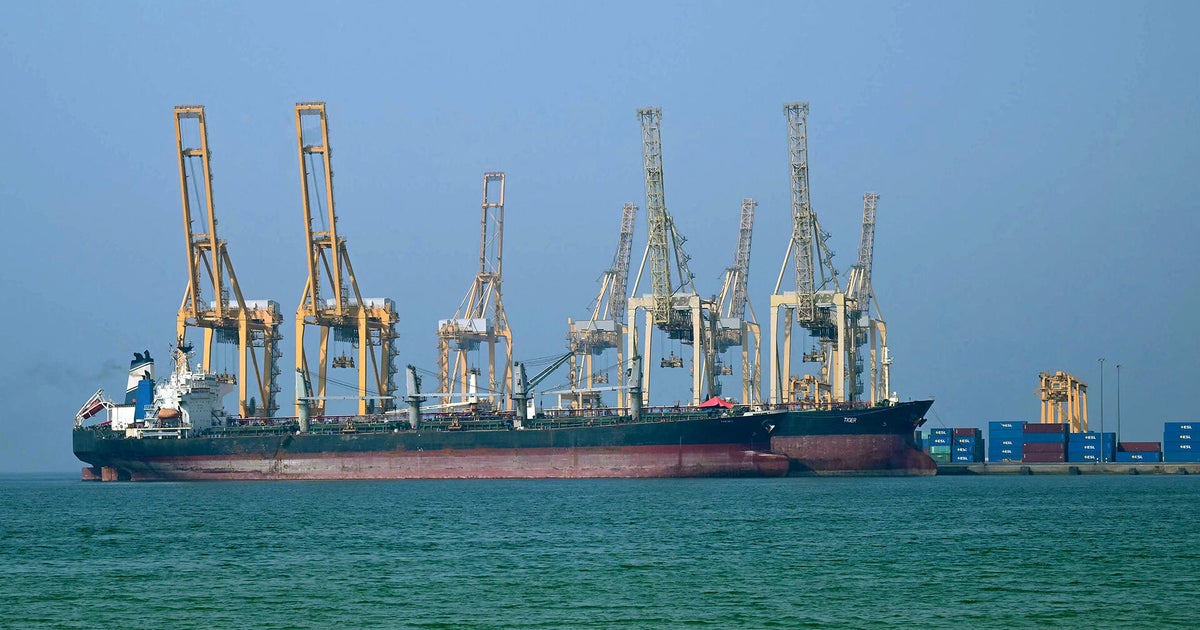
The "Hormuz Crisis" isn't a military problem. It’s a price-discovery mechanism for geopolitical risk.
The Geography of Mutual Destruction
The armchair generals in D.C. love to talk about "surgical strikes" on Iranian drone facilities or naval bases. They fail to understand the basic physics of the Persian Gulf. Iran has approximately 1,500 miles of coastline along the Gulf and the Gulf of Oman. The UAE and Saudi Arabia have their most critical infrastructure—desalination plants, oil terminals, and glass-tower cities—sitting like sitting ducks right across the water.
If the U.S. "neutralizes" Iran's conventional navy, Tehran doesn't just give up. They pivot to the "swarm and saturate" strategy they have spent forty years perfecting. I’ve spoken with maritime insurance underwriters who have run the numbers: a single week of high-intensity conflict in the Strait would see insurance premiums for tankers rise by 1,000% or more. At that point, it doesn't matter if the Strait is "open" or "closed." It becomes economically impassable.
The Gulf states know this. They aren't looking for a war; they are looking for a bodyguard who never actually has to throw a punch.
Why "Stability" is a Losing Game
The competitor's take assumes that stability is the goal. It isn't. The goal for the Gulf monarchies is strategic relevance.
As long as Iran is a "threat," the Gulf remains the most important geopolitical real estate for the West. The moment Iran is "neutralized" and becomes a broken state or a Western-aligned democracy, the strategic premium on Saudi Arabia and the UAE vanishes. If Iran’s massive oil and gas reserves (the second and fourth largest in the world, respectively) were to hit the market without the friction of sanctions, the price of Brent would crater.
The Gulf states need Iran to be a boogeyman, not a corpse.
The Desalination Death Trap
Here is the data point that every "war with Iran" advocate ignores: Water.
The Gulf monarchies are essentially life-support systems in the desert powered by desalination. Over 90% of the drinking water in Kuwait, Qatar, and the UAE comes from plants that sit on the coast. These plants are impossible to defend against a sustained barrage of low-cost loitering munitions.
Imagine a scenario where the U.S. successfully wipes out the Iranian Air Force, but 50 out of 500 cheap "Shahed" style drones hit the Jubail desalination plant in Saudi Arabia. Within 48 hours, you have a humanitarian catastrophe that no amount of Patriot missiles can fix.
The "Hormuz Crisis" is a theater of shadows. The real war is about the vulnerability of the infrastructure that allows these desert nations to exist. To "neutralize" Iran is to invite a desperate, asymmetric retaliation that would turn the "Vision 2030" dreams of the Gulf into a literal dust bowl.
The Myth of the "Unified" Gulf Front
The media paints the GCC (Gulf Cooperation Council) as a monolith. This is lazy reporting.
- Qatar shares the North Dome/South Pars gas field with Iran. They cannot afford a "neutralized" Iran because they are literally business partners in the world's largest gas field.
- Oman has survived for decades by being the regional "fixer," maintaining a backchannel to Tehran. They view a U.S. escalation as a threat to their sovereignty.
- The UAE (specifically Dubai) has a massive Iranian diaspora and significant trade ties. While Abu Dhabi talks tough, Dubai’s economy is deeply intertwined with regional trade that requires a functioning, if hampered, Iran.
When "Gulf states" press the U.S. to act, they are usually talking about a specific faction in Riyadh or Abu Dhabi that wants the U.S. to take the heat for their own regional posturing.
The Failure of "Maximum Pressure"
We’ve seen this movie before. The "Maximum Pressure" campaign didn't lead to a better deal or a humbler Iran. It led to more sophisticated drone attacks on Abqaiq and Khurais. It led to more aggressive tanker seizures.
The competitor's piece suggests that the "Hormuz crisis is deepening." No, the Hormuz crisis is normalizing. This is the new baseline. Every time a Western outlet writes about "neutralizing" the threat, they are falling for a propaganda cycle designed to keep the U.S. military budget tied to the protection of fossil fuel transit routes that the U.S. doesn't even use as much as it used to (thanks to the Permian Basin).
The China Factor: The Elephant in the Room
Who actually needs the Strait of Hormuz to stay open? Not the U.S.
The U.S. is a net exporter of total petroleum. The people who should be "neutralizing" threats in the Gulf are the Chinese, the Indians, and the Japanese.
By demanding the U.S. "act," the Gulf states are successfully offloading their security costs onto the American taxpayer to protect oil that is largely destined for America’s primary economic rival: China. It is a brilliant bit of diplomatic arbitrage.
Stop Asking if We Can Win a War
The question isn't whether the U.S. can "neutralize" Iran. Of course it can, in a vacuum. The question is whether the U.S. can afford to subsidize the security of the global oil market while the very people asking for help are hedging their bets with Beijing.
The Gulf isn't pressing for a war. They are pressing for a permanent American security guarantee that allows them to continue their transition to a post-oil economy without ever having to face the consequences of their own geography.
If you want to solve the Hormuz crisis, stop looking at carrier strike groups. Look at the insurance markets. Look at the desalination intakes. Look at the flow of Yuan into Riyadh.
The status quo isn't a "deepening crisis." It's a highly profitable stalemate for everyone involved—except for the people who think a war would actually settle the score.
Stop falling for the rhetoric of "neutralization." In the Middle East, a "permanent solution" is just a prelude to a more expensive problem.
Get out of the way and let the primary consumers of Gulf oil—Asia—foot the bill for the security they depend on.