Donald Trump doesn't like "forever wars," and he's already looking for the exit sign in Iran. Just three weeks after the U.S. and Israel launched Operation Epic Fury on February 28, 2026, the President is signaling that the heavy lifting is basically over. He’s telling anyone who will listen that the U.S. has "obliterated" the opposition and it’s time to start winding down.
It’s a classic Trump move. He goes in hard, claims a massive victory, and then tells the neighbors they need to start paying for the fence. While the Pentagon is still moving thousands of Marines toward the Persian Gulf and Secretary of War Pete Hegseth is asking Congress for another $200 billion, Trump is posting on Truth Social about how "very close" we are to hitting every major goal.
If you're wondering why the Commander-in-Chief is talking about peace while the gears of war are still grinding, you have to look at the specific "mission accomplished" checklist he just went public with.
The Five Objectives Trump Claims are Finished
The administration didn't just stumble into this. They had a specific hit list, and according to the White House, the boxes are almost all checked.
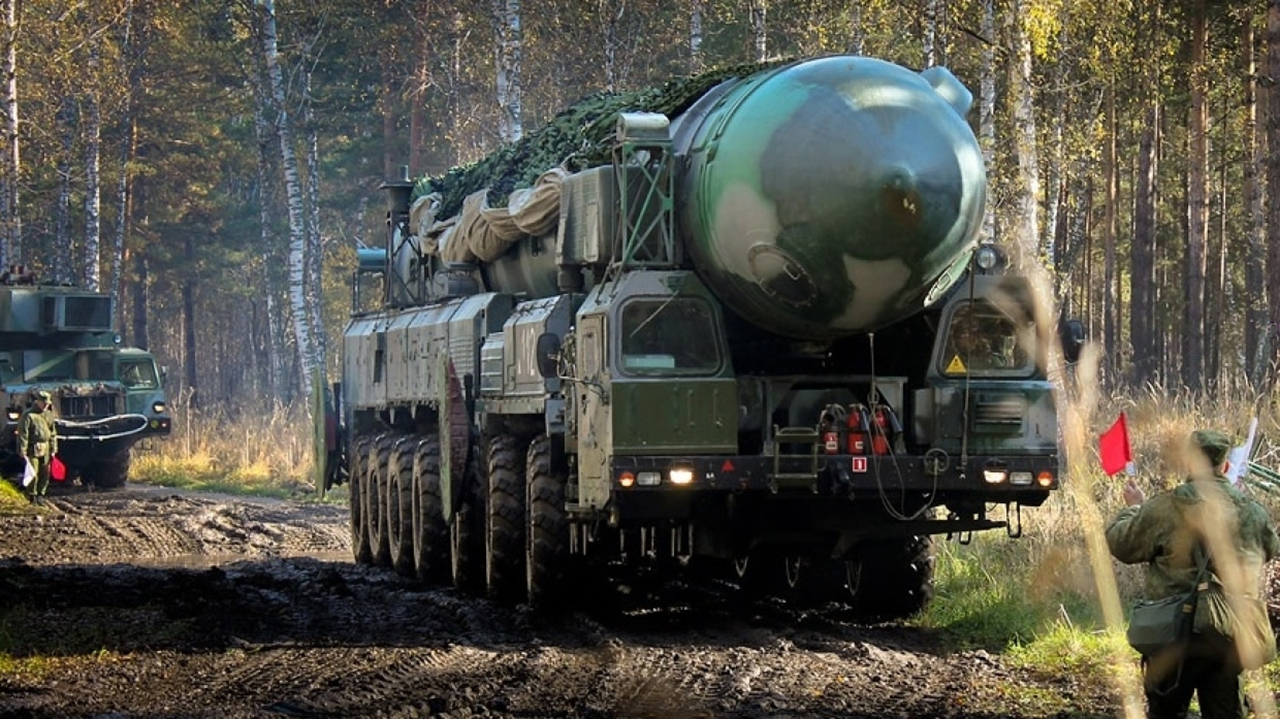
- Total Degradation of Missiles: The U.S. claims Iranian ballistic missile and drone launches are down by 90%. They've spent three weeks systematically hunting down mobile launchers and storage silos.
- Gutting the Defense Industry: Air strikes haven't just hit soldiers; they’ve leveled the factories and R&D centers where Iran builds its hardware.
- Wiping Out the Navy and Air Force: This is the big one. CentCom reports sinking over 120 Iranian vessels, including their entire submarine fleet. Their air force is effectively non-existent at this point.
- The Nuclear "Red Line": Trump is adamant that Iran won't get anywhere near a nuke. While experts like the IAEA’s Rafael Grossi say some infrastructure always survives, the U.S. position is that the threat is "obliterated."
- Protecting Regional Allies: From Israel to Saudi Arabia, the U.S. has draped a security blanket over the Gulf.
The Strait of Hormuz Problem
Here’s where it gets complicated. Even if the Iranian military is "roaming free" targets for U.S. jets, the global economy is still bleeding. The Strait of Hormuz is effectively a no-go zone, and that’s why you’re paying a fortune at the gas pump right now.
Trump’s stance is blunt: the U.S. doesn't use the Strait, so why should we be the only ones policing it? He’s publicly calling out NATO and China, calling them "paper tigers" and "cowards" for wanting cheap oil without wanting to risk their own ships to get it. He wants a coalition of "user nations"—think Japan, South Korea, and European allies—to take over the guard duty.
Why a Ceasefire Isn't Happening Yet
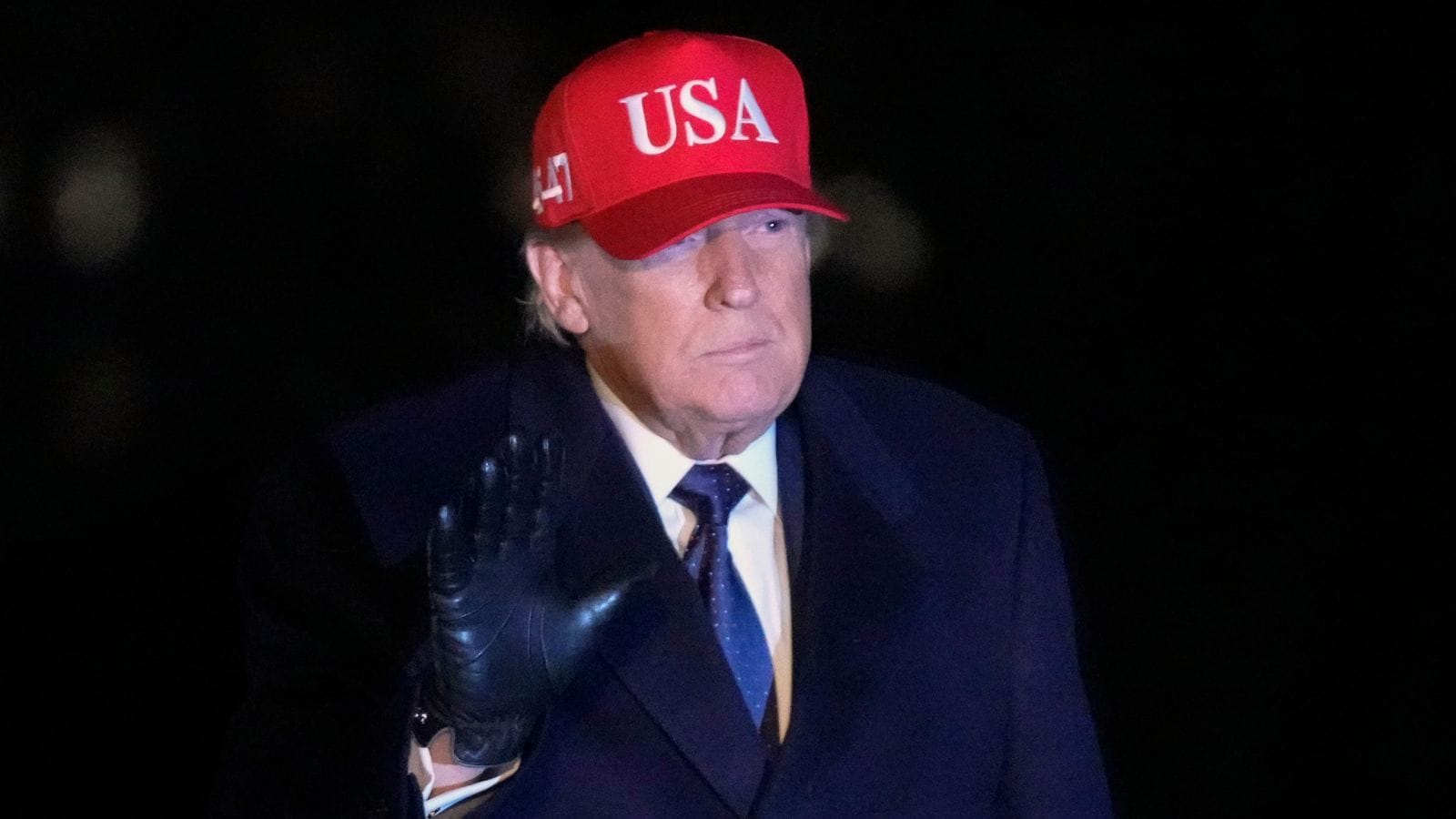
Don't mistake "winding down" for a ceasefire. Trump was very clear on his way to the helicopter this week: "You don't do a ceasefire when you're literally obliterating the other side." He’s fine with dialogue, but he’s not going to stop the strikes until he feels the leverage is absolute.
While the U.S. recently blinked and allowed some Iranian oil already at sea to be sold to cool down gas prices, the "Maximum Pressure" campaign is actually tighter than ever. The goal isn't just to win the war; it's to ensure Iran can never restart the engines of its military-industrial complex.
What Happens if the U.S. Pulls Back
The risk here is a power vacuum. If the U.S. scales back its presence before a stable "policing" force is in place, the IRGC remnants could still harass shipping with low-tech mines or "suicide" FPV drones. We've already seen reports of Iranian proxies threatening "tourist destinations" worldwide, showing that even a defeated regime can still be dangerous.
Critics say Trump is declaring victory too early to satisfy his base before the 2026 midterms. Military planners are worried that a premature exit will leave Israel holding the bag and force a much longer, more expensive entanglement later. But for Trump, the math is simple: break the big stuff, declare the win, and let the rest of the world figure out the logistics.
If you want to stay ahead of how this affects the markets, keep a close eye on the "user nation" talks in Tokyo and Brussels. If those countries don't step up to patrol the Strait, the U.S. "winding down" might just be the start of a much messier chapter.