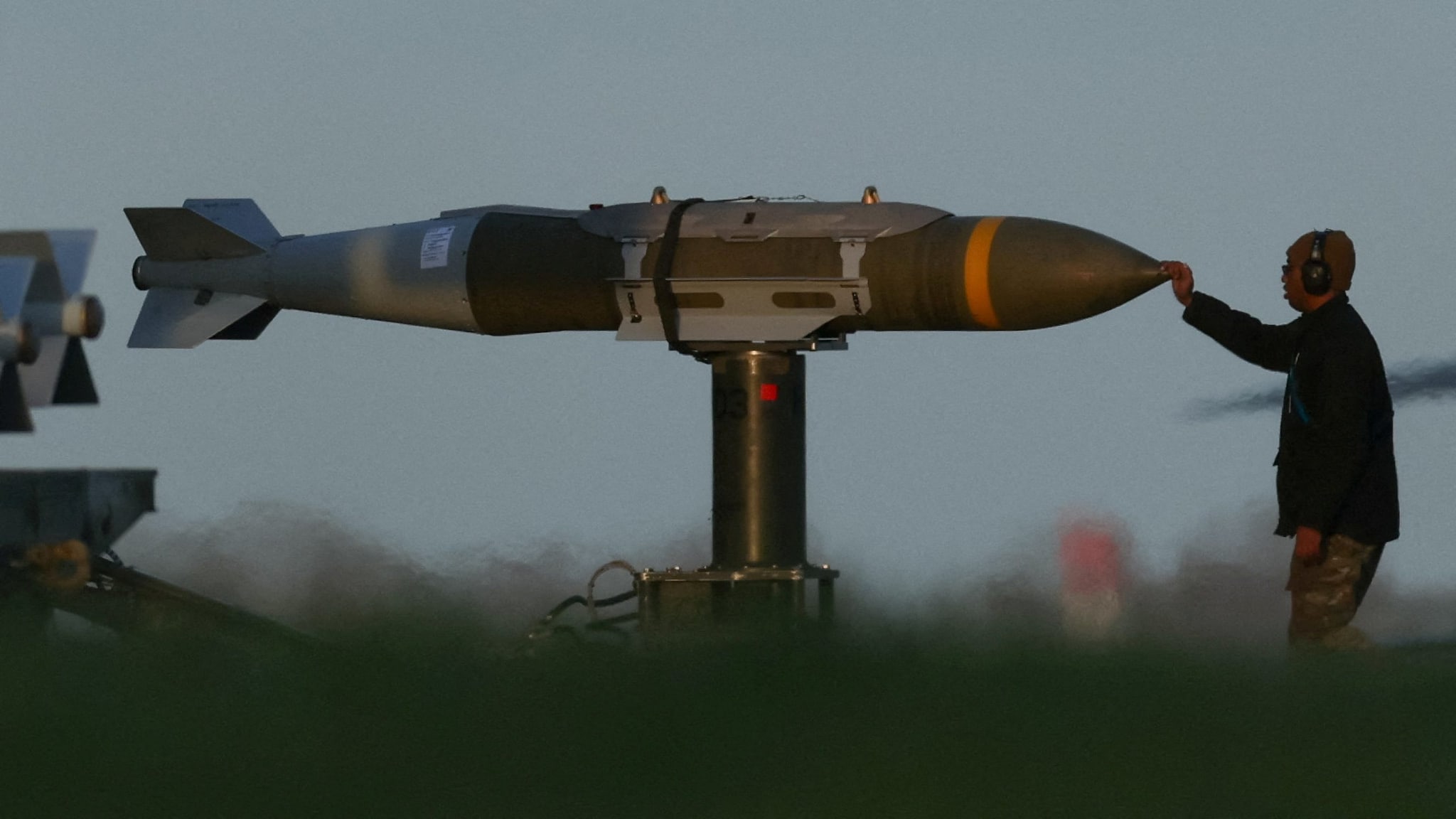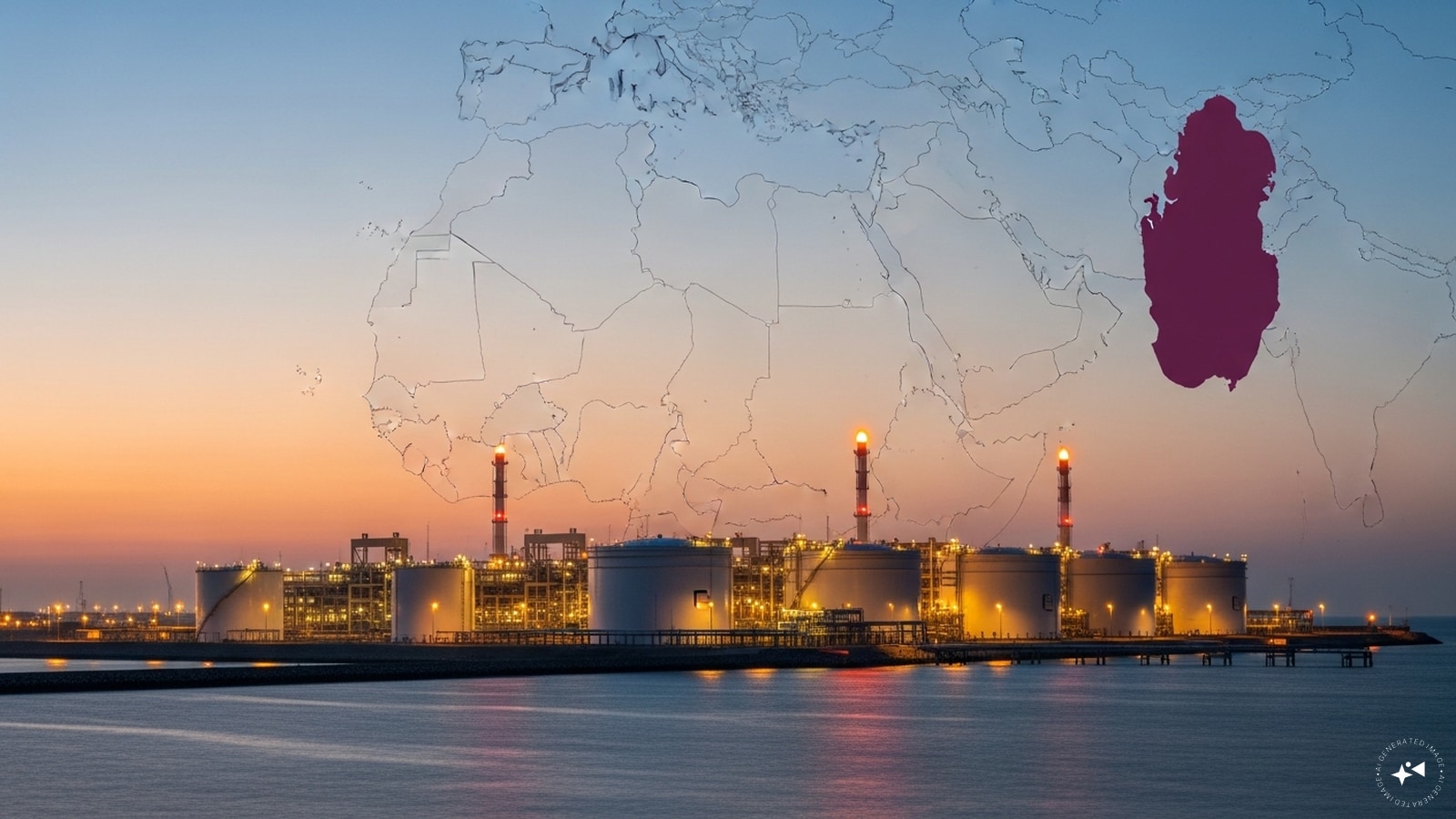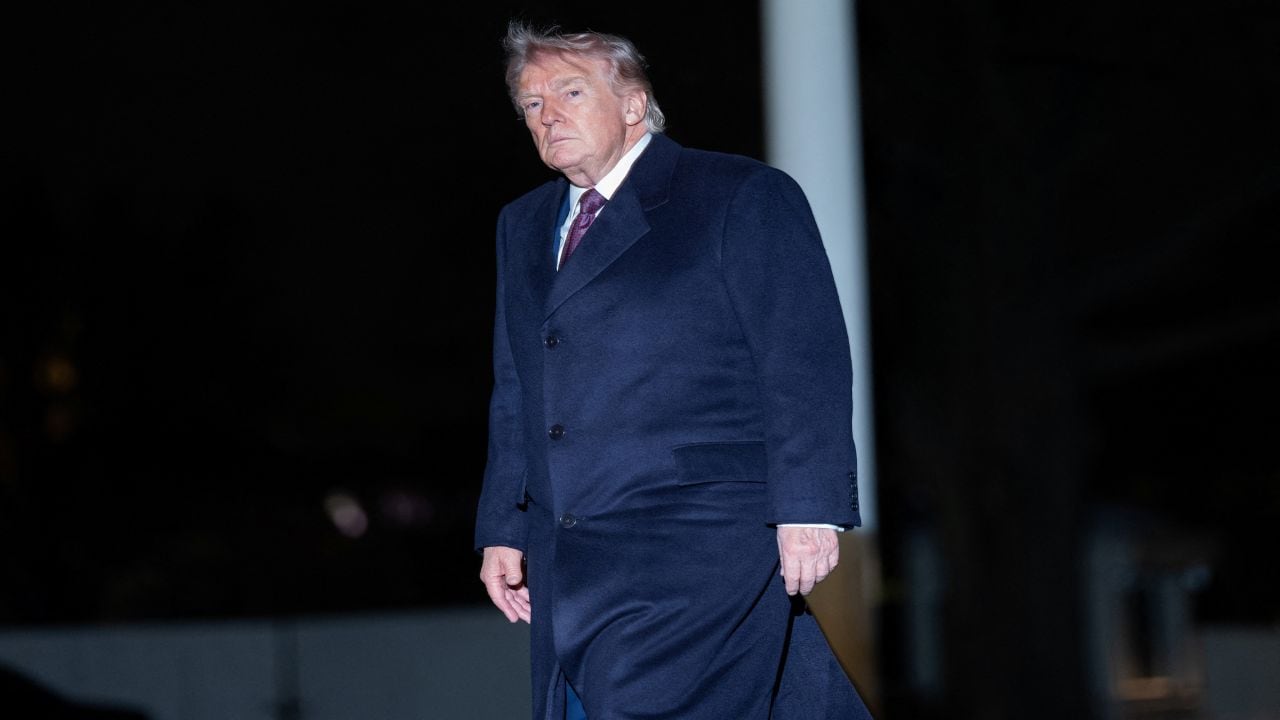
Donald Trump is reportedly weighing a plan to seize Kharg Island, the crown jewel of Iran’s oil infrastructure. The objective is as blunt as it is dangerous: force Tehran to stop harassing global shipping in the Strait of Hormuz by taking its primary economic engine hostage. While the rumor mill in Washington churns with talk of "maximum pressure 2.0," this specific escalation represents a fundamental shift from financial warfare to direct territorial seizure. It is a move that would rewrite the rules of global energy security overnight.
Kharg Island is not just a piece of land. It is a volcanic rock in the Persian Gulf that handles roughly 90% of Iran's crude oil exports. If you control Kharg, you control the Iranian state's bank account. For a returning Trump administration, the logic follows a transactional path. If the Iranian Navy or their Houthi proxies continue to threaten the flow of oil through the world’s most vital chokepoint, the United States takes the valve itself. For a closer look into similar topics, we suggest: this related article.
The Mechanics of an Energy Siege
To understand why Kharg is the chosen target, you have to look at the geography of the Gulf. The island sits about 15 miles off the Iranian coast. It is heavily fortified with surface-to-air missiles and coastal defense batteries. A military operation to "seize" it wouldn't be a simple blockade. It would require a massive amphibious assault or a continuous aerial occupation to prevent Iranian engineers from sabotaging the facilities.
Military analysts who have spent decades tracking Revolutionary Guard movements suggest that any attempt to occupy Kharg would trigger an immediate, asymmetric response. We are talking about swarms of fast-attack boats, ballistic missile strikes on Saudi refineries, and the mining of the Strait of Hormuz. The very thing the United States wants to prevent—the closure of the waterway—might be the immediate result of trying to "save" it. For additional background on the matter, comprehensive coverage is available at USA Today.
The economic fallout would be instantaneous. Global oil markets hate uncertainty, but they despise physical disruptions. If Kharg Island goes offline or falls under U.S. military administration, the immediate loss of nearly 1.5 million barrels of daily production would send Brent crude prices screaming toward the $120 mark. This creates a paradox for a Trump administration that has promised to lower domestic energy costs. You cannot "drill, baby, drill" your way out of a global price spike caused by a hot war in the Middle East.
The Failed Precedents of Maritime Pressure
History is littered with examples of naval powers trying to use coastal seizures to break an inland regime. During the Tanker War of the 1980s, the U.S. Navy launched Operation Praying Mantis after the USS Samuel B. Roberts struck an Iranian mine. The U.S. destroyed two Iranian oil platforms and sank several ships. It worked then because the goal was limited and the Iranian military was exhausted by a decade of war with Iraq.
The current landscape is different. Iran has spent thirty years building a "layered defense" strategy. They don't need a blue-water navy to win. They only need to make the cost of occupying Kharg Island higher than the American public is willing to pay.
The strategic "why" behind the Kharg Island plan is rooted in the belief that the Iranian clerical establishment is more fragile than it appears. Proponents of the plan argue that if the regime loses its oil revenue entirely, it cannot pay the security forces that keep it in power. It is a gamble on total systemic collapse. However, history shows that external threats often consolidate power for authoritarian regimes rather than fracturing it.
The Role of Beijing and the Asian Market
One factor often ignored in these high-level strategy sessions is China. Beijing is the primary customer for the "ghost fleet" of tankers carrying Iranian crude. These ships operate under flags of convenience, often turning off their transponders to avoid detection. By seizing Kharg, the United States isn't just attacking Iran; it is cutting off a vital, discounted energy stream for the Chinese economy.
China has spent years cultivating "strategic depth" in the Middle East. They are not likely to sit idly by while their primary energy partner is dismantled. We could see a scenario where Chinese naval assets, currently expanding their footprint in the Indian Ocean, begin to shadow U.S. carrier groups. The Kharg Island gambit could inadvertently turn a regional dispute into a direct confrontation between the world's two largest superpowers.
The Legal and Diplomatic Minefield
International law is remarkably clear on the seizure of sovereign territory during peacetime: it is an act of war. Even under the broadest interpretation of "freedom of navigation" rights, occupying a nation's primary export terminal is a bridge too far for most U.S. allies. European capitals, already wary of a second Trump term, would likely view this as a reckless escalation that threatens their own energy stability.
The United Nations Security Council would be paralyzed. Russia, which has grown increasingly close to Iran through drone and missile technology exchanges, would use the opportunity to paint the U.S. as a rogue actor. This diplomatic isolation matters because it affects the "coalition of the willing" needed to maintain a long-term occupation of a hostile island.
The Kinetic Reality on the Ground
If the order were given, the initial strike would have to be surgical. U.S. Special Operations Forces would likely be tasked with securing the terminal docks while electronic warfare units jammed Iranian communications. But securing a terminal is not the same as operating it.
The technical expertise required to run the Kharg Island facilities is immense. You cannot simply put a soldier at a control panel and expect oil to flow. If the Iranian staff refuses to work under occupation—or if they destroy the pumping stations before the U.S. arrives—the island becomes a useless pile of scrap metal. The U.S. would find itself guarding a graveyard of industrial equipment while the world economy burns.
The Logistics of a Permanent Blockade
- Distance from Mainland: 25 kilometers
- Defense Systems: S-300 batteries and localized SAM sites
- Daily Export Capacity: ~2.5 million barrels
- Storage Capacity: 28 million barrels
Every day the U.S. stays on Kharg, the risk of a "Black Hawk Down" scenario increases. Small-scale drone technology has advanced to the point where even a sophisticated missile defense system can be overwhelmed by sheer numbers. Iran’s Shahed drones, which have proven their effectiveness in the Ukraine conflict, would be launched in waves from the mainland. The island is within easy range of even the most basic Iranian artillery.
Why Sanctions Are No Longer Enough
The push for a physical seizure of assets comes from a growing realization in Washington that traditional sanctions have reached a point of diminishing returns. Iran has become a master at "sanction-busting." They have developed a shadow banking system and a fleet of aging tankers that move oil through a web of shell companies.
The hawks in the Trump circle believe that only a "physical" intervention can break this cycle. They see the status quo—where Iran continues to fund its proxies while under theoretically "crippling" sanctions—as an embarrassment to American power. To them, Kharg Island is the only lever left that hasn't been pulled.
This logic assumes that the Iranian leadership is rational in the way Western economists define it. But for the IRGC, the survival of the revolutionary ideology often takes precedence over GDP growth. If forced into a corner where they lose Kharg, their most likely move isn't to surrender; it is to ensure that if they can't sell oil, nobody else in the Gulf can either.
The Fallout for Global Markets
If the U.S. military takes control of the island, the legal status of the oil stored there becomes an immediate nightmare. Who owns the crude? If the U.S. tries to sell it to recoup the costs of the operation, it would be viewed as state-sponsored piracy. If they just sit on it, they are effectively removing a massive chunk of supply from a market that is already tight.
We also have to consider the insurance industry. Lloyd’s of London and other major insurers would likely designate the entire Persian Gulf a "war zone," causing shipping rates to quadruple. Even if the U.S. successfully reopens the Strait of Hormuz, the cost of moving goods through it would be prohibitive for most commercial fleets.
The ripple effects would hit the American consumer at the gas pump and the grocery store. Everything from plastic production to fertilizer costs would spike. It is a high-wire act where a single miscalculation leads to a global recession.
The "seizure" of Kharg Island would be the most significant military intervention in the global energy market since the 1990 invasion of Kuwait. But unlike the Gulf War, there is no international consensus here. This would be a unilateral move by a superpower trying to brute-force a solution to a forty-year-old geopolitical grudge.
The reality of modern warfare is that it is rarely as clean as the briefing slides suggest. Occupying a small island surrounded by a hostile mainland is a logistical nightmare. It requires constant resupply, heavy air cover, and a willingness to accept casualties for the sake of a commodity that the world is supposedly trying to transition away from. If the goal is to stabilize the Strait of Hormuz, turning the region's largest oil terminal into a battlefield is a strange way to go about it.
Watch the movements of the U.S. Fifth Fleet in the coming months. If we see a buildup of amphibious ready groups and a surge in minesweeping exercises, the Kharg Island gambit is no longer just a white paper theory; it is a live operational plan.