Donald Trump just flipped the script on energy politics. For years, the standard playbook for any American president was simple: keep gas prices low or face the wrath of the voters. But as tensions with Iran boil over into a full-scale regional crisis, Trump is leaning into a reality that most politicians are too scared to touch. He’s openly cheering for a spike in crude prices.
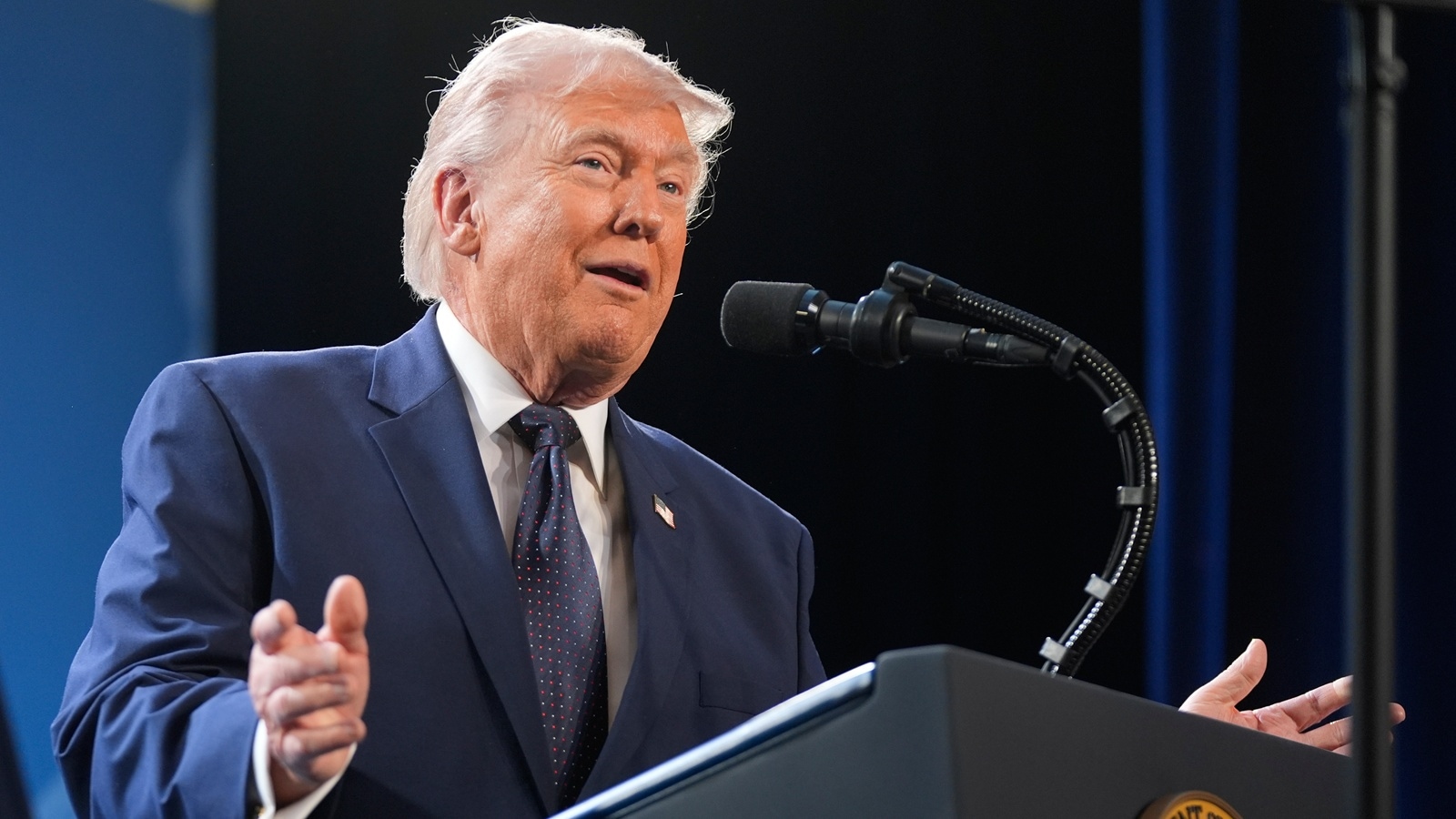
"The United States is the largest Oil Producer in the World, by far, so when oil prices go up, we make a lot of money," Trump posted on Truth Social this week.
It’s a blunt admission. It’s also factually grounded in a way that makes both environmentalists and fiscal conservatives uncomfortable. We aren't in the 1970s anymore. The U.S. isn't just a thirsty consumer begging the Middle East for a few more barrels. We're the ones holding the cards.
The math behind the money
When oil prices surge past $100 a barrel—as they did following recent strikes in the Persian Gulf—the economic winners and losers in the U.S. have shifted. In the past, a price hike was a straight-up tax on the American worker. Today, it’s a massive injection of capital into the American "Oil Patch."
States like Texas, North Dakota, and New Mexico aren't just seeing a boost; they're seeing a gold mine. For every dollar the price of oil rises, billions in revenue flow into domestic companies. This translates to jobs, tax revenue, and a booming stock market for energy investors. Trump’s "we make a lot of money" comment refers to this massive shift in the U.S. trade balance.
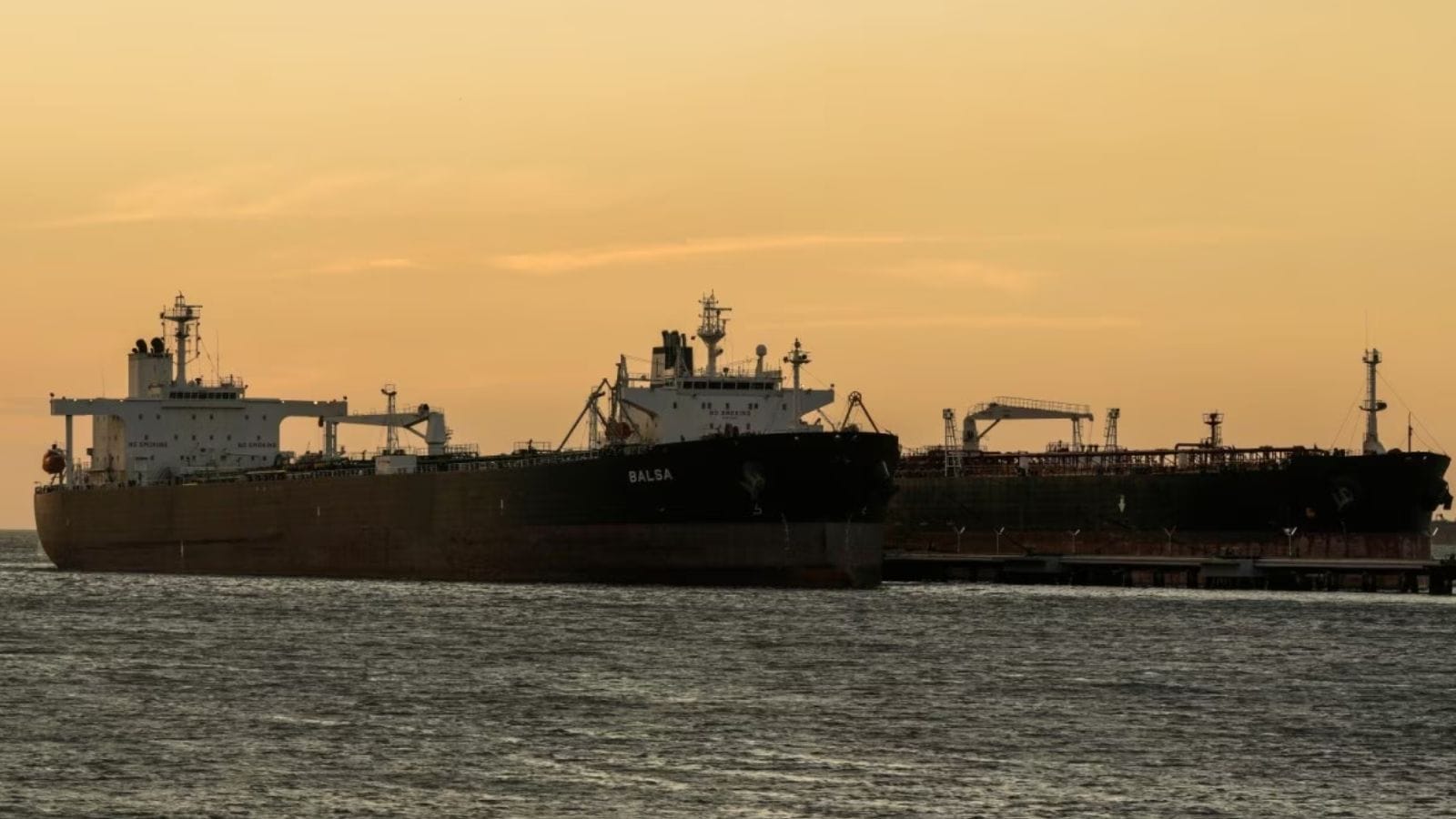
The U.S. is currently pumping a near-record 13.6 million barrels of crude per day. To put that in perspective, Saudi Arabia is trailing at just under 10 million. When the global market panics over the Strait of Hormuz closing, the value of every single drop of American shale skyrockets.
Why the Iran crisis changed the game
The current conflict isn't just a diplomatic spat. It's a physical disruption of 20% of the world's oil and gas supply. With the Strait of Hormuz paralyzed, the global market is starving for supply.
Trump’s gamble is that the U.S. can weather the storm better than anyone else. While Europe and Asia are reeling from the loss of Middle Eastern crude, the U.S. energy sector is stepping up to fill the void. This is what "energy dominance" looks like in practice. It’s messy, it’s expensive at the pump, but it’s a position of strength rather than weakness.
The price you pay at the pump
Let’s be real. "We" might be making money, but you’re probably feeling the pinch. National gas prices have already jumped more than 20% in the last month, hitting an average of $3.58 per gallon. Some analysts expect $4.00 is just around the corner.
So, how does Trump reconcile "making a lot of money" with the fact that his base is paying more to fill up their trucks?
His argument is essentially one of national security. He’s calling the high prices a "very small price to pay" for stopping what he calls the "evil empire" of Iran from obtaining nuclear weapons. It’s a classic pivot: frame the economic pain as a patriotic sacrifice for global safety.
The ripple effect on your wallet
It’s not just about gas. When oil prices stay high, everything gets more expensive.
- Groceries: Fertilizer is made from natural gas. Tractors run on diesel. Your milk and eggs are trucked across the country using fuel that now costs 30% more.
- Airfare: Jet fuel is a massive chunk of airline overhead. Expect your summer vacation tickets to reflect the chaos in the Gulf.
- Inflation: High energy costs are the ultimate "hidden tax." They drive up the price of manufacturing everything from plastic bottles to sneakers.
Can the U.S. actually stabilize the market
The White House isn't just sitting back and watching the bank account grow. They’ve already authorized the release of 400 million barrels from the Strategic Petroleum Reserve (SPR). This is a massive, record-breaking move designed to blunt the edge of the price spike.
But here's the catch: you can't print oil. Unlike the Fed "printing" money during a housing crisis, the government has a finite supply of physical crude. If the war in Iran drags on beyond the six-week window Trump predicted, the SPR might run dry before the market stabilizes.
The shale producers' dilemma
You’d think American oil companies would be drilling like crazy right now. They are, but there's a limit. After the wild volatility of the last decade, many shale companies are being cautious. They don't want to over-invest in new wells only to have the price crash if a peace deal is suddenly signed.
However, the "Drill Baby Drill" agenda is back in full force. The administration has cleared thousands of new drilling permits, and federal lands are more open for business than they’ve been in years. The goal is to make the U.S. so productive that we don't just survive global crises—we profit from them.
What you should do now
The "money" Trump is talking about won't show up in your checking account, but it is fundamentally changing the U.S. economy. If you're looking to navigate this energy-heavy era, you need to be proactive.
Watch the energy sector. If the U.S. continues to dominate production, energy stocks and ETFs will remain the backbone of the market's resilience.
Lock in your costs. If you’re a business owner or a frequent traveler, assume high energy prices are the "new normal" for at least the next two quarters. Hedging your fuel costs now might save you from a major headache in May.
Prepare for the lag. Inflation from oil spikes usually takes 2-3 months to fully hit consumer goods. If you’ve been putting off a major purchase that involves heavy shipping or petroleum-based materials, buy it now before the "Iran surcharge" hits the retail shelves.
The era of cheap, stable energy is on a hiatus. Whether you view this as a moment of American triumph or a massive economic burden depends entirely on which side of the oil well you're standing on. One thing is certain: the U.S. has never been better positioned to turn a global crisis into a domestic windfall.