The issuance of General License 133 and subsequent March 12 authorizations by the US Treasury’s Office of Foreign Assets Control (OFAC) marks a deliberate shift from a "containment-first" to a "stability-first" energy strategy. By authorizing the sale and delivery of approximately 100 million barrels of Russian crude and petroleum products currently stranded at sea, the Trump administration has introduced a temporary relief valve into a global market paralyzed by the closure of the Strait of Hormuz.
This move is not an abandonment of the maximum pressure campaign, but rather a tactical adjustment to the Global Energy Cost Function. When the marginal cost of maintaining a blockade exceeds the domestic economic risk of an energy price spiral, the sanctioning authority must adjust its elasticity. With Brent crude breaching the $100 threshold and US domestic gasoline prices rising 65 cents per gallon in 30 days, the administration’s primary objective has transitioned to immediate price suppression.
The Triad of Tactical Waivers
The administration’s current policy rests on three distinct pillars of authorization designed to increase liquidity without providing long-term structural benefits to the Kremlin.
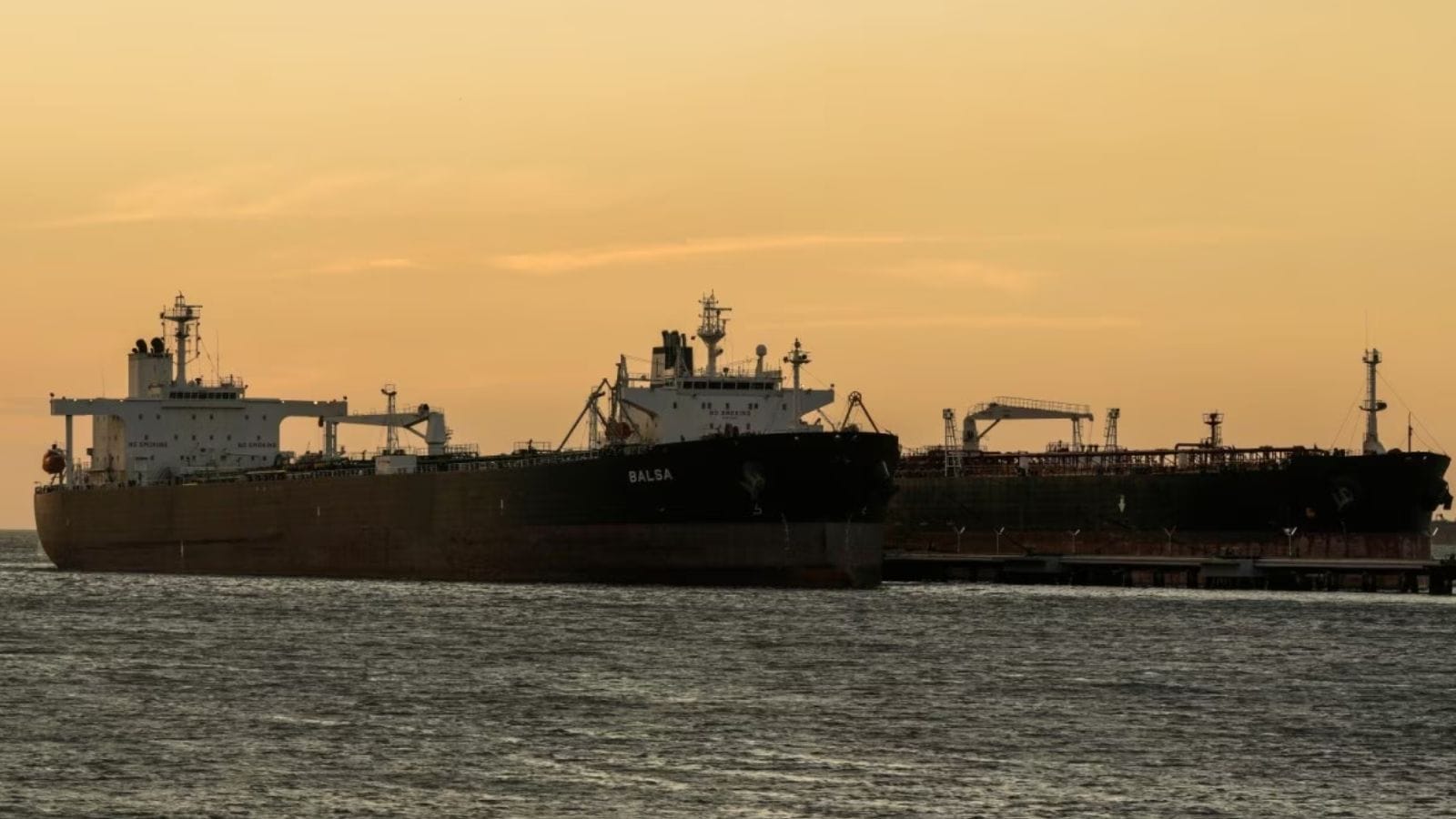
- The Stranded Cargo Release: The March 12 general license permits the offloading of oil loaded on vessels prior to 12:01 AM EDT on that date. This targets inventory already in transit, effectively "de-risking" the purchase for nervous global refiners who feared secondary sanctions.
- The 30-Day Liquidity Window: By capping the authorization period through April 11, 2026, the US prevents the institutionalization of trade. This creates a "forced sale" environment where Russia must offload inventory within a narrow window, preventing them from timing the market for higher gains.
- The Geographic Expansion (India to Global): While the initial March 5 waiver was restricted to Indian refiners, the latest updates expand this to any global purchaser. This reflects the reality that Indian demand alone was insufficient to bridge the supply gap created by the 20 million barrels per day typically flowing through the Strait of Hormuz.
The Cost-Benefit Logic of Seaborne Inventory
The administration’s defense of this policy hinges on the distinction between Upstream Revenue and Midstream Liquidation.
- Upstream Revenue (Inhibited): The Russian government derives the majority of its war funding from taxes assessed at the point of extraction (Mineral Extraction Tax). Since the 100 million barrels in question have already been extracted and taxed, the Kremlin has already realized the bulk of its direct fiscal benefit from this specific volume.
- Midstream Liquidation (Enabled): Allowing this oil to reach the market benefits the shadow fleet owners and the intermediary traders rather than the Russian state budget directly. However, it serves the US interest by increasing the "global reach" of existing supply during a historic disruption.
The strategic risk is the narrowing of the Urals-Brent Discount. Traditionally, sanctions forced Russian Urals to trade at a significant discount (often $15–$20) to Brent crude. By easing the path for sanctioned tankers, the US risk-premium on Russian oil decreases, potentially allowing Moscow to capture higher per-barrel prices on future shipments, even if these specific 100 million barrels provide marginal new utility.
Market Realities vs. Policy Intent
The bottleneck in the current energy landscape is not merely a lack of oil, but the physical inability to move it. The conflict in Iran has effectively shuttered the world’s most critical maritime artery. The US move seeks to utilize the only available "swing supply"—the Russian shadow fleet—to offset the loss of Gulf Cooperation Council (GCC) production.
The Shadow Fleet Bottleneck
Current data indicates that 293 vessels were active in Russian crude exports as of February 2026, with a significant portion being "shadow" tankers operating under false flags or without Western insurance. By granting a 30-day waiver, the US is temporarily recognizing the legitimacy of this fleet’s cargo. This creates a moral hazard: it signals to shadow operators that in times of extreme market volatility, their "pariah status" will be overlooked to protect Western consumer prices.
The Three Constraints of Efficacy
- The Duration Trap: Short-term waivers (30 days) create volatility. Refiners require long-term planning cycles. A refiner in Southeast Asia may hesitate to buy a Russian cargo that takes 25 days to arrive if the waiver expires in 30 days, fearing they will be stuck with "illegal" oil upon arrival.
- The Insurance Gap: While OFAC may authorize the sale, the UK and EU have not yet mirrored these broad waivers. Since the majority of global maritime insurance (P&I Clubs) is based in London and Europe, tankers may still find themselves unable to secure the necessary indemnification to dock at major ports.
- The Storage Limit: Gulf state producers are currently ramping down operations because they cannot move oil through Hormuz and are hitting maximum storage capacity. If the Russian oil floods the market simultaneously with an eventual re-opening of the Strait, it could lead to a price collapse that disincentivizes domestic US drilling.
The current strategy is a high-stakes bridge. The administration is betting that 30 days of Russian supply will provide enough of a buffer for either a diplomatic de-escalation in the Middle East or the establishment of alternative escort routes through the Gulf.
The immediate tactical requirement for energy traders and compliance officers is the rigorous documentation of "load dates." Because the waiver only applies to oil loaded on or before March 12, any cargo loaded after this timestamp remains under the full weight of the previous Rosneft and Lukoil designations. Companies must prioritize Bill of Lading verification to avoid the "Policy Snapback" that will inevitably occur on April 12.