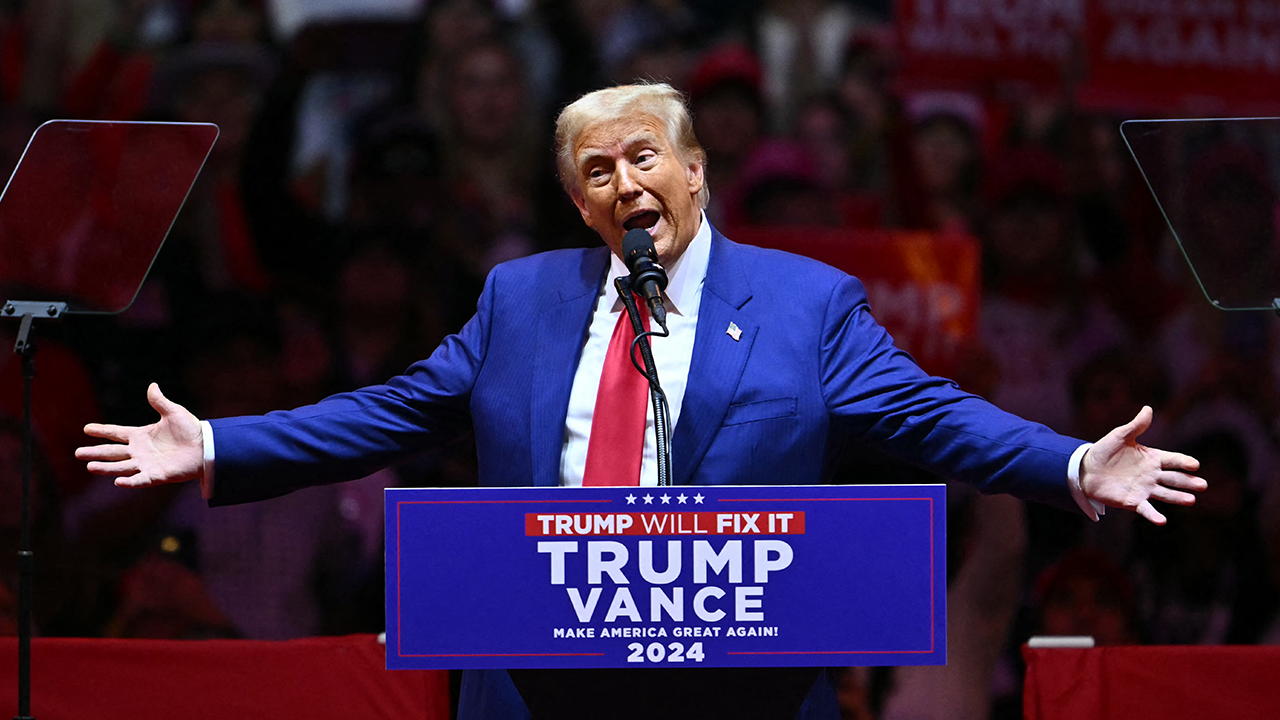
The 48-hour clock just hit zero, but the bombs didn't drop. Instead of "obliterating" Iran's power grid as he promised on Truth Social over the weekend, Donald Trump pulled a classic pivot. He's giving Tehran a five-day grace period. It's a high-stakes delay that has the global oil market breathing a sigh of relief, even if the peace feels as thin as a sheet of glass.
I’ve seen this playbook before. The "escalate to de-escalate" strategy isn't new, but when it involves the world’s most sensitive energy chokepoint, the margin for error is basically non-existent.
The Five Day Gamble
Trump’s decision to pause military strikes on Iranian power plants and energy infrastructure comes after what he calls "very good and productive" talks. It’s a sudden shift in tone. Just 48 hours ago, the rhetoric was about total destruction if the Strait of Hormuz didn't open. Now, we're looking at a diplomatic window that feels like a stay of execution.
Don't mistake this for a sudden outbreak of pacifism. The pressure is coming from inside the house. Fuel prices are hitting levels that make the 1970s look like the good old days. Brent crude was flirting with $113 a barrel before the announcement, and voters at home are feeling the burn at the pump. Trump knows that a total energy war with Iran might win a news cycle, but it could lose him the economy.
What Iran is Holding Over the World
If you're wondering why the U.S. hasn't just moved in, look at the geography. Iran isn't just threatening to defend itself; it’s threatening to take the entire region's utility grid down with it.
The Iranian Parliament Speaker, Mohammad Bagher Qalibaf, made it clear. If their power plants go dark, they’ll make sure desalination plants and energy hubs across the Gulf—facilities that provide drinking water and electricity to U.S. allies—go dark too. It's a "scorched earth" policy for the 21st century.
- The Hormuz Lockdown: Iran has effectively shuttered the Strait, where 20% of the world's oil flows.
- Targeting Desalination: In the Middle East, water is more valuable than oil. Attacking these plants would trigger a humanitarian crisis instantly.
- The Proxy Factor: Groups like Hezbollah are already active, and any strike on the Iranian mainland could turn a contained conflict into a regional wildfire.
Why the Market Flipped
The moment the five-day pause hit the wires, oil prices didn't just dip—they plunged. We saw Brent North Sea crude drop over 14% to around $96. That’s a massive swing for a single afternoon. It shows just how much "war premium" was baked into the price of a gallon of gas.
Traders are betting that this pause means a deal is actually on the table. But the Iranian state media is telling a different story. They’re claiming Trump "backed down" because of their "firm warning." This disconnect is the most dangerous part of the next 120 hours. If both sides are telling their home audiences they won, someone is eventually going to have to prove it.
The Infrastructure Trap
Targeting power plants is a legal and ethical nightmare. Under international law, you can't just blow up civilian infrastructure unless the military gain clearly outweighs the civilian suffering. Iran’s Revolutionary Guard (IRGC) runs much of the country's industry, which is the U.S. justification for the targets. But if the lights go out in Tehran hospitals, the global PR war is lost.
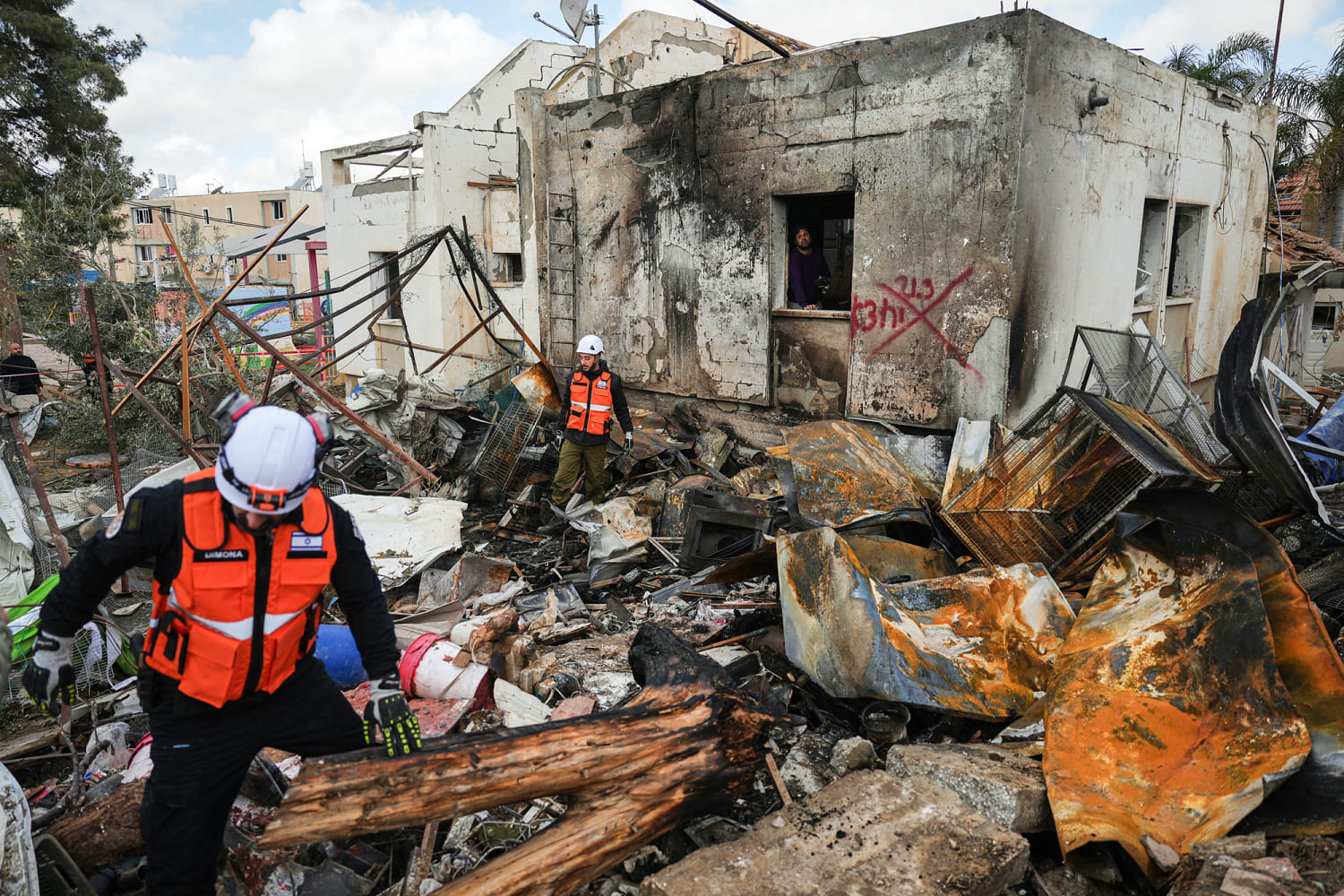
We're also seeing reports of massive damage already done to over 80,000 civilian buildings in the weeks leading up to this. The IEA Chief, Fatih Birol, isn't exaggerating when he says no country is immune to this. We're talking about a systemic threat to the global economy that moves way faster than a diplomatic cable.
What Happens When the Clock Restarts
This isn't a peace treaty. It's a timeout. If these "productive conversations" don't result in tankers moving through the Strait of Hormuz by Friday, we're right back where we started.
You should watch the Treasury Department's moves over the next few days. If they start loosening specific oil sanctions as a "gesture of good faith," then the talks are real. If they don't, this was just a tactic to cool down the oil market for a week while the military repositions.
Don't get too comfortable with $96 oil. This situation is still a powder keg. Keep a close eye on the rhetoric coming out of Tehran over the next 48 hours. If they continue to deny that talks are even happening, the "productive conversations" Trump mentioned might just be wishful thinking—or a final warning before the lights go out.
If you're tracking your portfolio or your business's logistics costs, now's the time to hedge. This five-day window is a gift, but it's likely a temporary one. Watch the Brent crude price floor at $90; if it stays above that despite the news, the market doesn't actually believe the war is over.