The convergence of a fatal runway incursion at LaGuardia Airport and the escalating kinetic threats surrounding the Strait of Hormuz reveals a shared structural vulnerability: the breakdown of command-and-control protocols under high-stress operational conditions. While the former involves a localized failure of aviation safety systems and the latter a global geopolitical standoff, both are governed by the logic of "normal accidents"—where complex, tightly coupled systems inevitably produce catastrophic interference when safety margins erode.
The LaGuardia Incursion: A Failure of Sequence and Separation
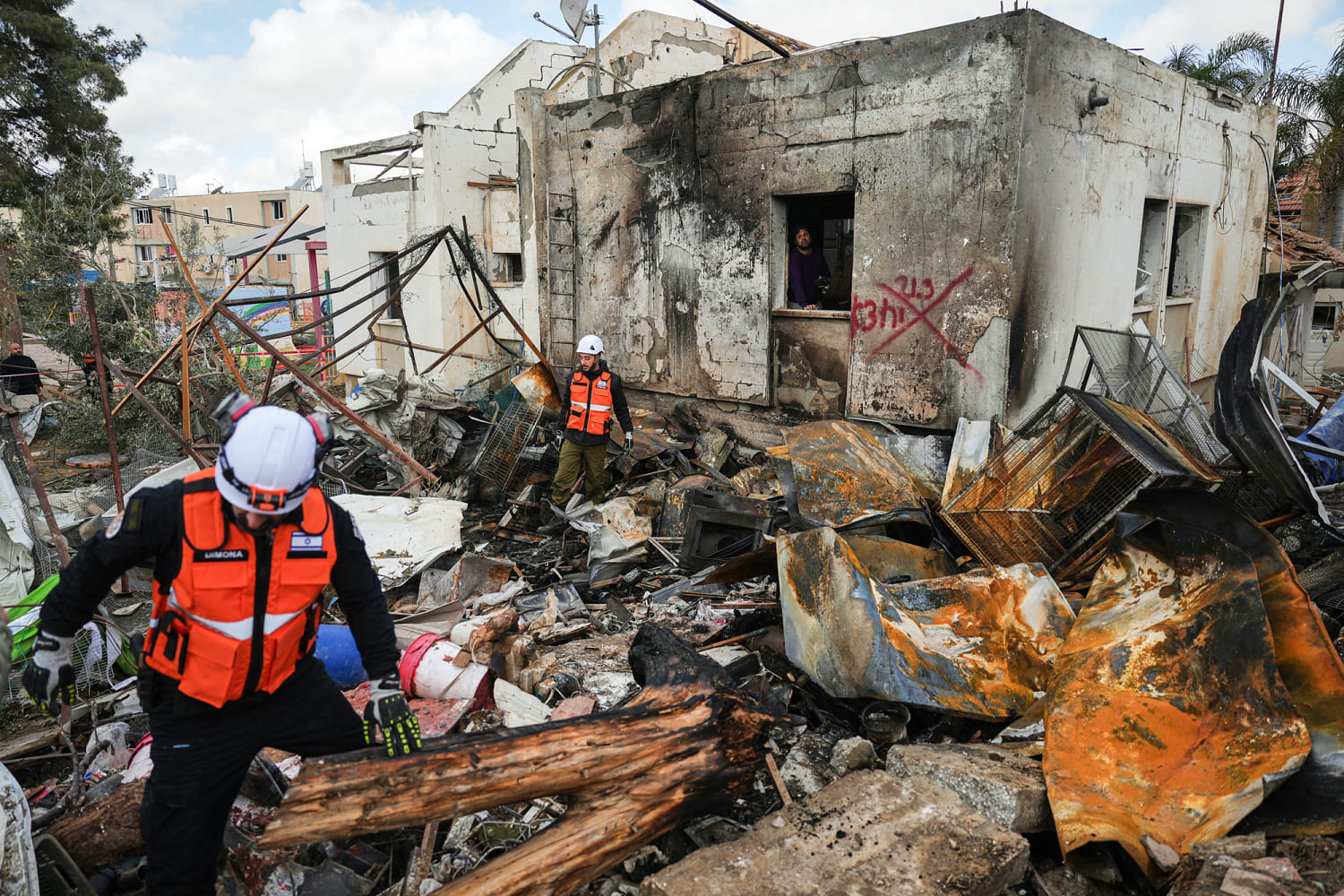
The collision between Air Canada Express Flight 8646 and a Port Authority Aircraft Rescue and Firefighting (ARFF) vehicle on Runway 4 represents a definitive breach of the sterile runway principle. In high-density aviation environments, safety is maintained through rigid temporal and spatial separation. The breakdown at LaGuardia can be quantified through three primary causal vectors.
1. The Communication Bottleneck
Preliminary radio transmissions indicate a "stop" command issued to the ARFF vehicle, designated Truck 1, seconds before impact. In aviation logistics, the latency between a controller’s perception of a conflict and the operator’s physical execution of a braking maneuver often exceeds the available reaction window during high-speed taxiing or landing rolls.
2. Operational Compounding
The ARFF vehicle was not on a routine patrol; it was responding to a secondary emergency—a reported odor on an unrelated United Airlines flight. This creates a "cascading alert" scenario. Emergency responders, operating under the psychological pressure of a primary rescue mission, may experience narrowed situational awareness. This phenomenon often leads to the misinterpretation of clearance boundaries, where the urgency of the first mission compromises the safety protocols of the second.
3. Structural Geometry of Runway 4
LaGuardia’s footprint is notoriously compact, requiring ground vehicles to traverse active runways more frequently than at decentralized hubs like JFK or Newark. The frequency of these crossings increases the statistical probability of a runway incursion. The collision occurred at approximately 11:40 p.m., a period when reduced visibility and circadian-rhythm-related fatigue among ground crews and controllers reach peak levels.
The Hormuz Ultimatum: Geopolitical Cost Functions
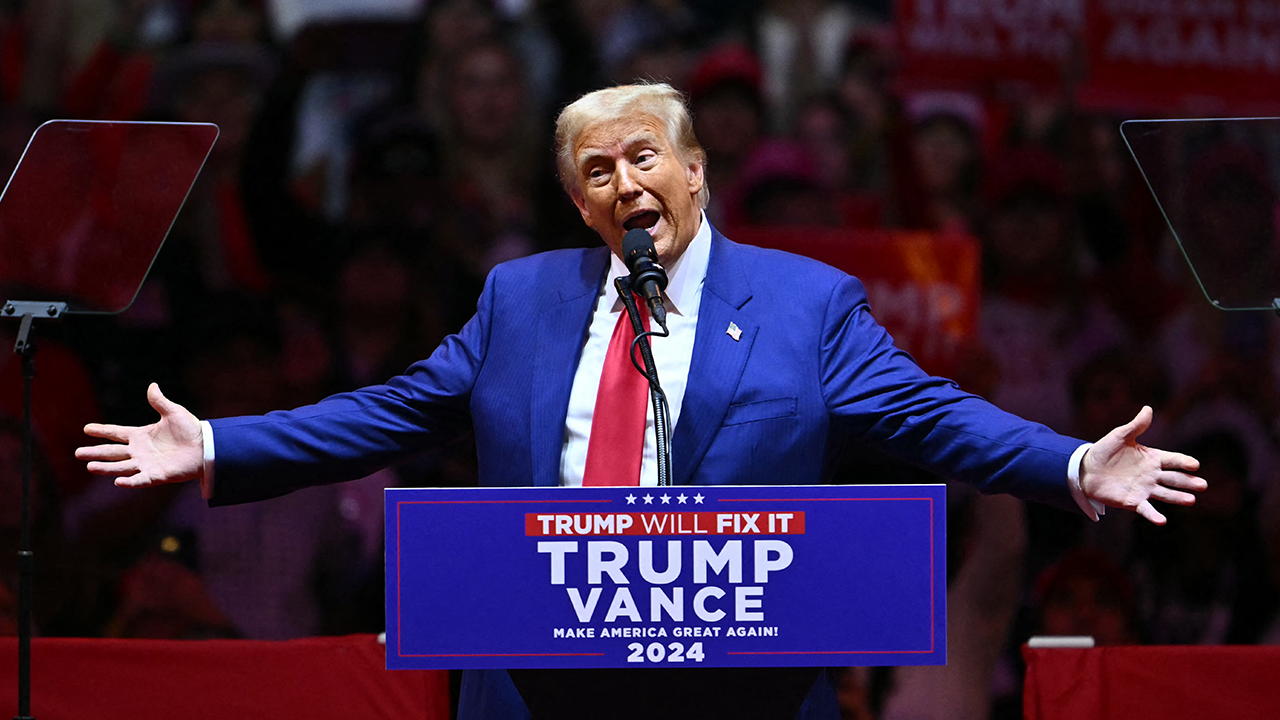
The 48-hour ultimatum issued by the U.S. administration regarding the Strait of Hormuz transitions the conflict from a war of attrition to a direct threat against sovereign industrial capacity. By targeting Iran’s power grid, the strategy shifts away from traditional military targets toward "dual-use" infrastructure, aiming to induce systemic domestic paralysis.
The Maritime Chokepoint Mechanics
The Strait of Hormuz is the world's most critical energy artery. Approximately 21 million barrels of oil per day (bpd), or roughly 21% of global petroleum liquids consumption, transit this 21-mile-wide waterway. The logic of the blockade is not merely physical; it is an economic weaponization of insurance and risk.
- The Insurance Premium Spike: Physical blockades are rarely necessary to halt traffic. The mere escalation of rhetoric increases the "War Risk" insurance premiums for tankers, effectively pricing smaller independent shippers out of the route and forcing state-backed carriers to assume massive liability.
- The Power Grid Vulnerability: Iran's domestic stability relies on its integrated power network. A strike on power plants would not only degrade military radar and communication but also collapse water desalination plants, creating a humanitarian lever intended to force a diplomatic retreat.
Strategic Reciprocity: The Iranian Counter-Strike Framework
Iran’s response—threatening U.S. and regional IT and energy infrastructure—highlights a doctrine of "Assymetric Parity." If the U.S. uses its conventional air superiority to dismantle the Iranian grid, Iran intends to use its cyber and proxy capabilities to disrupt the digital and physical infrastructure of regional U.S. allies. This creates a feedback loop where the cost of the first strike may exceed the strategic value of the objective.
Quantifying the Risk of Miscalculation
In both the LaGuardia collision and the Hormuz standoff, the "Margin of Error" has been reduced to zero.
At LaGuardia, the error was likely a synchronization failure between Ground Control and the ARFF unit. In the Middle East, the error is a potential misreading of "red lines." The U.S. assumes that the threat of infrastructure destruction will compel reopening; Iran assumes that the threat of regional contagion will deter the U.S. strike.
When both parties operate on the assumption that the other will blink, the probability of an unintended kinetic event increases exponentially. The LaGuardia event serves as a grim micro-example of this macro-reality: when two high-speed entities occupy the same space with conflicting instructions, the result is governed by physics, not intent.
The immediate strategic requirement for aviation authorities is an audit of ARFF transit protocols during active landing windows. For global energy markets, the requirement is a decoupling of price speculation from rhetorical deadlines, as the actual closure of Hormuz would necessitate a massive reallocation of the Global Strategic Petroleum Reserve (GSPR) to prevent a total industrial slowdown in Europe and Asia.
The next tactical phase in the Hormuz crisis will be the deployment of international naval escorts, which, while intended to de-escalate, introduces more "Truck 1" scenarios where a single misunderstood signal between a destroyer and a coastal battery could trigger the very war the ultimatum seeks to avoid.