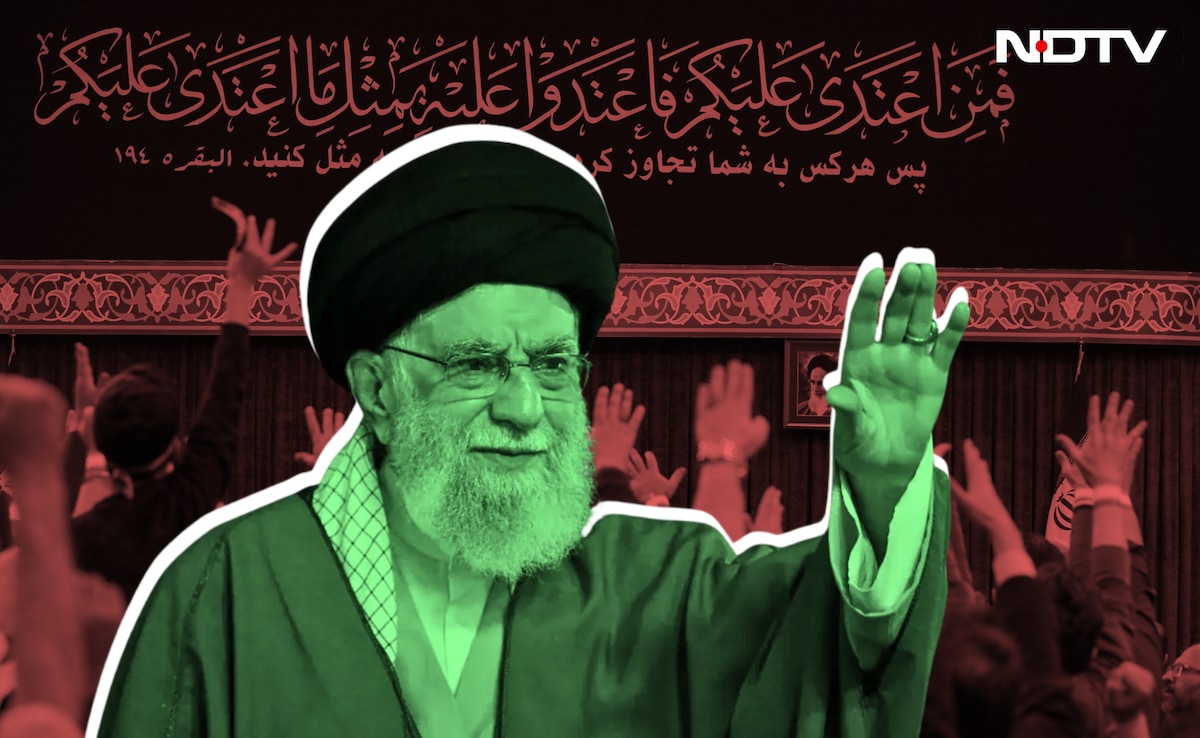
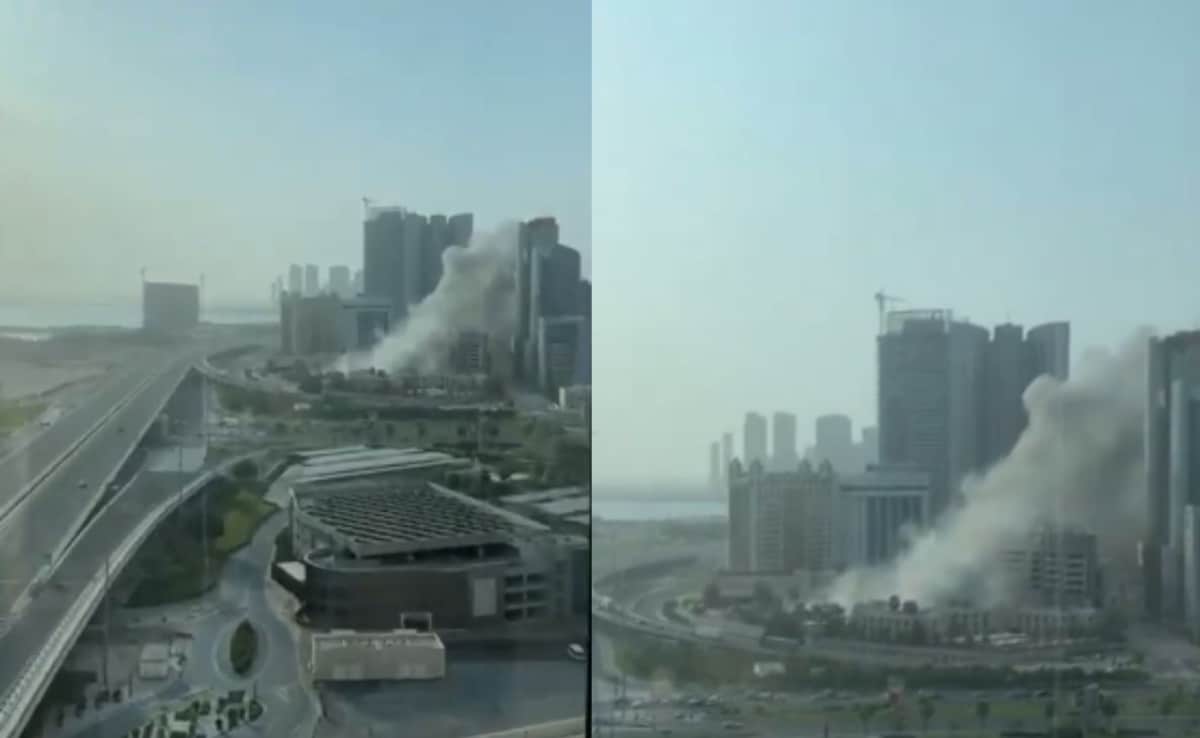
The sirens didn't go off in Washington, but the shockwaves hit every capital from Riyadh to Jerusalem the second the words left his mouth. Donald Trump just announced "major combat operations" against Iranian interests, and the world is scrambling to figure out if we're looking at a localized strike or the start of a multi-front war that reshapes the Middle East for the next fifty years. It’s not just another late-night post or a stray comment during a rally. This is a formal shift in posture that moves past the "maximum pressure" campaigns of his first term and into the territory of active, kinetic warfare.
You’ve probably seen the headlines. Most of them are screaming about World War III. But if you look at the actual strategic goals and the specific assets being moved into the Persian Gulf, a different picture emerges. This isn't about occupying Tehran. It’s about a high-intensity, targeted dismantling of the Islamic Revolutionary Guard Corps (IRGC) infrastructure. Trump is betting that by breaking the back of Iran's regional proxy network and their nuclear capabilities in one massive blow, he can force a total collapse of the current regime's influence without putting a hundred thousand boots on the ground. It’s a massive gamble.
The Strategy Behind the Surge
The phrase "major combat operations" carries specific weight in military doctrine. It implies the transition from gray-zone warfare—think cyberattacks and secret sabotage—to open, declared conflict using the full weight of the U.S. Air Force and Navy. We aren't talking about a single drone strike on a general this time. This is about sustained sorties.
The primary targets aren't a secret. Intelligence reports and recent carrier movements suggest a focus on three specific areas. First, the Natanz and Fordow nuclear facilities. These are buried deep, but the latest bunker-buster tech makes them vulnerable in a way they weren't a decade ago. Second, the coastal missile batteries along the Strait of Hormuz. If Iran can’t choke off the world’s oil supply, they lose their only real economic leverage. Third, the command-and-control hubs of the IRGC.
Trump's inner circle, including the more hawkish elements of his national security team, believes that the Iranian leadership only understands "overwhelming force." They argue that years of incremental sanctions didn't stop the centrifuges from spinning. In their view, the only way to reset the board is to remove the pieces entirely. It's a "rip the Band-Aid off" approach to foreign policy that ignores the traditional diplomatic guardrails.
Why the Old Rules Don't Apply Anymore
Global politics in 2026 looks nothing like the early 2000s. Back then, an announcement like this would have been met with a unified roar of disapproval from Europe. Today? The response is fractured. Many Gulf states are quietly cheering. They’ve spent years dealing with Houthi drones and maritime harassment. For them, a weakened Iran is a survival necessity, even if they won't say it loudly at the UN.
The technology has also flipped the script. We’re seeing the integration of autonomous swarm drones and AI-driven targeting that allows for a level of precision that makes the 2003 "Shock and Awe" look like a blunt instrument. Trump is leaning into this. He’s telling the public that this won't be a "forever war." He’s promising a fast, tech-heavy campaign that hits hard and exits quickly.
But history is a brutal teacher. Every time a leader promises a "short, victorious war," things get messy. Iran isn't a desert backwater; it’s a mountainous fortress with a population that tends to rally around the flag when foreign bombs start falling. Even if the U.S. wipes out the formal military, the asymmetric response could be devastating. We're talking about sleeper cells in Europe, cyber strikes on the American power grid, and a total shutdown of global shipping that could send gas prices to $10 a gallon overnight.
The Economic Fallout You Aren't Being Told About
Forget the political posturing for a second and look at the numbers. Markets hate uncertainty, and "major combat operations" is the ultimate uncertainty. The moment the announcement hit, Brent crude spiked. Traders are pricing in a worst-case scenario where the Strait of Hormuz becomes a graveyard for tankers.
If that waterway closes, 20% of the world's petroleum stops moving. You think inflation was bad in 2024? A sustained conflict in the Gulf would make those years look like a golden era of stability. Trump's gamble is that the operations will be so fast and so decisive that the markets will stabilize before the real pain hits the American consumer. It’s a race against the clock.
- Oil Prices: Expected volatility could lead to a 30-50% increase in short-term costs.
- Defense Stocks: Major players like Lockheed Martin and Raytheon are already seeing a massive influx of volume.
- Insurance Rates: Maritime insurance for the Persian Gulf has already tripled in some sectors.
Intelligence Failures and Lessons Not Learned
There’s a huge risk that the administration is overestimating its "clean" strike capabilities. We saw this in Iraq. We saw it in Afghanistan. You can’t just bomb a country into a democracy, and you certainly can’t bomb a regional power into submission without expecting a generational grudge.
Critics point out that the IRGC has spent decades preparing for exactly this scenario. They’ve moved their most valuable assets into "missile cities" carved into the sides of mountains. They have a decentralized command structure that can function even if Tehran is dark. If Trump thinks this is a weekend project, he hasn’t been paying attention to how these groups operate.
The Regional Reaction and the New Axis
We also have to talk about Russia and China. Ten years ago, they might have stayed on the sidelines. Now? They have deep ties with Tehran. China buys the bulk of Iran's oil. Russia relies on Iranian drones for its own regional ambitions. If the U.S. goes all-in, it’s not just Iran we're dealing with. We’re poking the eye of a whole bloc of nations that are tired of American hegemony.
Russia has already signaled that it will provide "technical assistance" to Iran. That’s code for advanced S-400 missile defense systems and real-time satellite intelligence. This turns a lopsided fight into a much more dangerous slog. It’s no longer just about the U.S. vs. Iran. It’s a proxy war on steroids.
What Happens Next on the Ground
The next 72 hours are the most critical. Watch the carrier strike groups. If they move within striking distance of the Iranian coast, it's a go. Watch the rhetoric from the State Department. If the diplomatic staff starts evacuating nearby embassies, the missiles are already programmed.
Don't expect a formal declaration of war from Congress. Those are relics of a different era. This will be framed under existing authorizations or as a "defensive necessity" to protect American interests. It’s the new way of war—fast, legally murky, and incredibly high stakes.
You need to prepare for the ripple effects. This isn't just a news story on a screen. It’s going to hit your wallet at the gas pump and your retirement account in the stock market. The era of relative calm in the Middle East is over. Whether this move by Trump actually brings "peace through strength" or just sets the whole house on fire remains to be seen.
Keep a close eye on the price of gold and the movement of the U.S. 5th Fleet. Those are the only two indicators that don't lie. If you're invested in international markets, now's the time to look at your exposure to energy and defense. The "major combat operations" have already begun in the minds of the strategists; the physical reality is just a few heartbeats away.