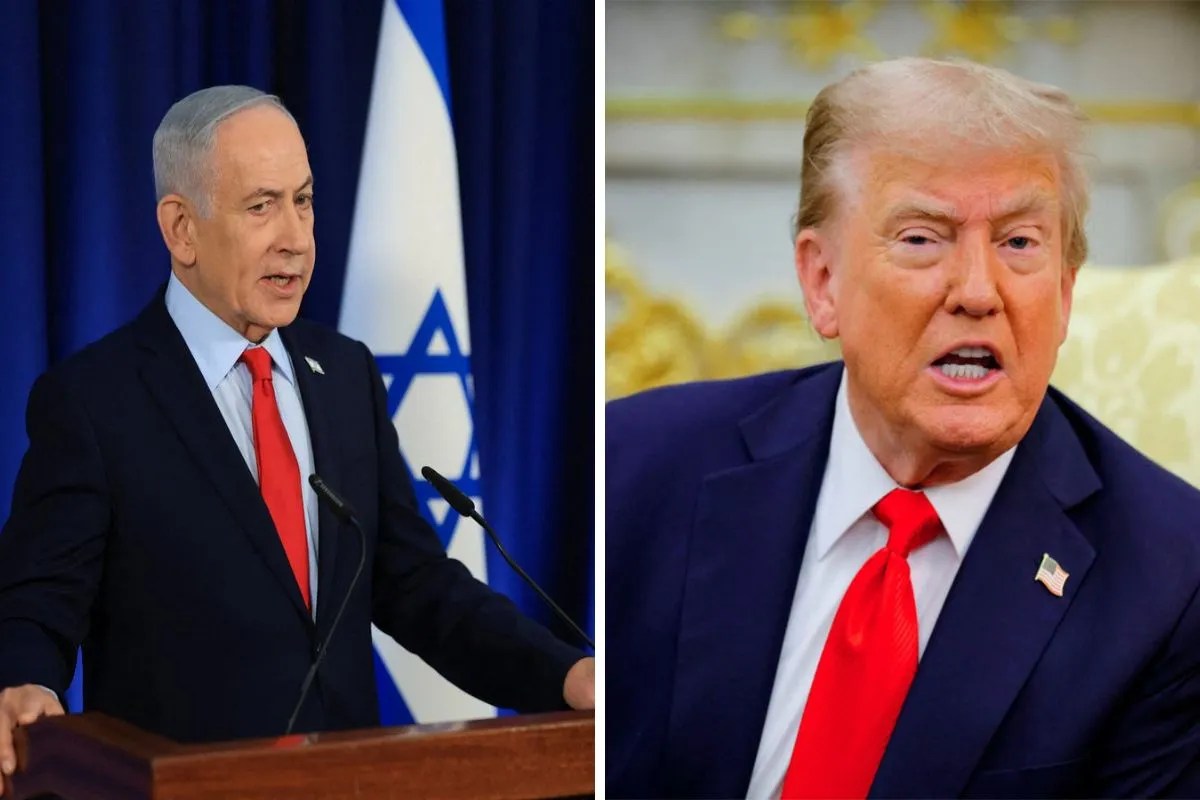
The Middle East just flipped on its head. After weeks of devastating airstrikes and the confirmed death of Ayatollah Ali Khamenei, Donald Trump is doing the one thing Benjamin Netanyahu probably didn't see coming. He’s talking about a deal. Not just any deal, but a "complete and total resolution" that could see the U.S. and Iran jointly controlling the Strait of Hormuz.
If you’re confused, you’re not alone. We went from "Operation Epic Fury" on February 28 to Trump calling his conversations with Tehran "very good and productive" in less than a month. It’s the classic Trump play: hit them hard, then invite them to the table. But this time, the stakes involve nuclear uranium and the world's most vital oil chokepoint.
The Mar-a-Lago disconnect
Netanyahu has spent decades pushing for a "decapitation strike" against Iran’s leadership. He finally got it. In late February, he reportedly made his final pitch to Trump, arguing that killing Khamenei was a once-in-a-lifetime chance to avenge Iranian plots and trigger a regime change. Trump listened, the bombs fell, and Khamenei is gone.
But Netanyahu’s "victory" is looking a bit complicated. While the Israeli Prime Minister is telling his cabinet that "Iran is down, we are up," Trump is already pivoting. He’s sent Jared Kushner and Steve Witkoff to talk to "reasonable" people in the Iranian regime. Netanyahu claims Israel won’t be dragged into a war by anyone, but it’s clear Trump is the one holding the remote control here.
What is the me and the ayatollah deal
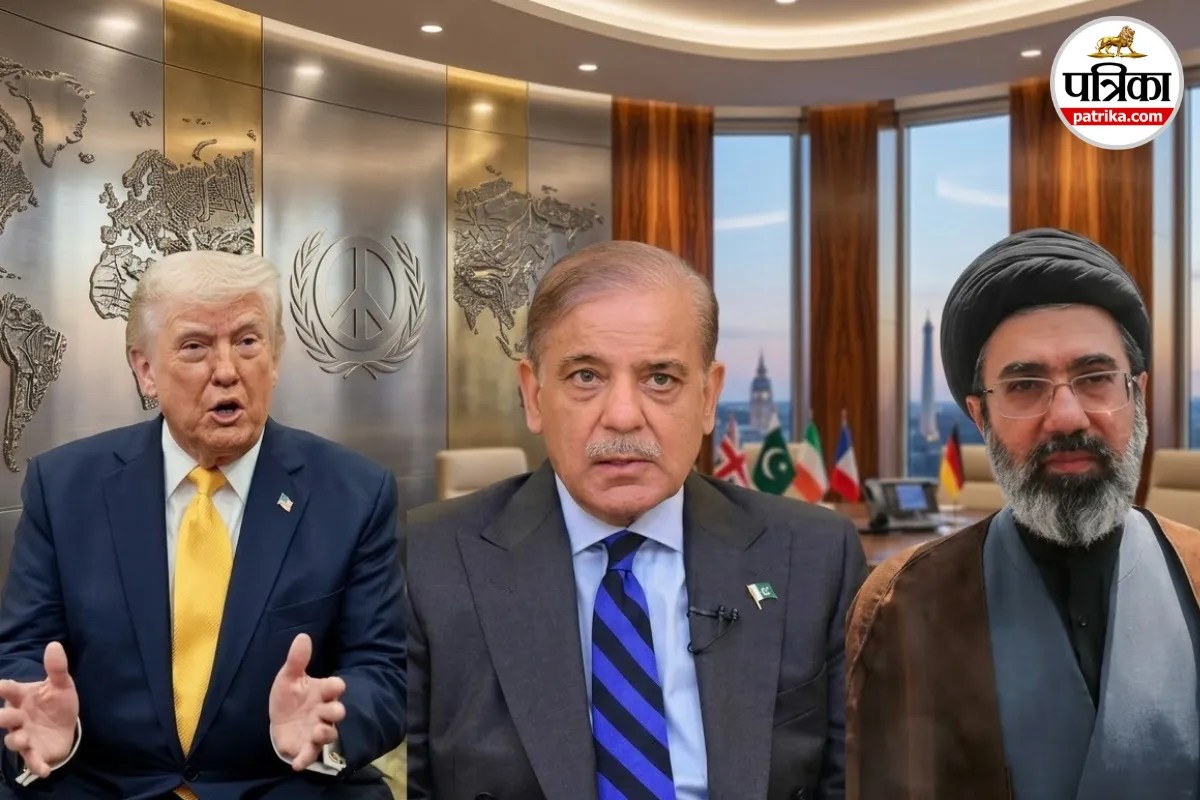
Trump’s latest comments are vintage 2026. He told reporters that he and "the Ayatollah"—whoever that actually is right now, since Mojtaba Khamenei has been "unavailable" lately—could basically run the Strait of Hormuz together.
Here’s what’s actually on the table:
- The 5-day pause: Trump halted strikes on Iran’s power plants to give negotiations a window.
- The Nuclear "Dust": The U.S. wants to take physical control of Iran’s enriched uranium. Trump literally called it "nuclear dust."
- Regime Change by Spreadsheet: Trump’s team is arguing that because so many top leaders were killed (48, according to his count), the regime has already changed. He’s treating it like a corporate restructuring rather than a holy war.
Why Netanyahu is nervous
It’s not hard to see why Jerusalem is sweating. Netanyahu wanted the total collapse of the Islamic Republic. Instead, he’s watching the U.S. President talk about "major points of agreement" with the very people Israel just bombed.
The Israeli Defense Forces (IDF) aren't stopping, though. Even after Trump announced his 5-day pause, the IDF launched fresh strikes on Tehran. They’re calling it "operating according to directives," which is a polite way of saying they aren't ready to stop punching just because Washington wants to talk.
The ghost of Mojtaba Khamenei
One of the weirdest parts of this 2026 conflict is that nobody knows where the new Supreme Leader is. Mojtaba Khamenei took over after his father was killed, but he hasn't been seen on camera. Trump’s been blunt about it: "We don't know if he's living."
This creates a massive power vacuum. While the Revolutionary Guard (IRGC) tries to keep a grip on the streets, the U.S. is bypassing the top office and talking to second-tier officials. It’s a risky gamble. If there’s no "boss" to sign the deal, the IRGC hardliners might just keep firing missiles at U.S. bases like Diego Garcia—which they actually tried to hit on March 21.
What happens if the deal fails
If these five days of talks go south, Trump’s "obliteration" threat is still on the menu. He’s already warned that Iran’s electric grid is the next target. For the average person in Tehran, this isn't about geopolitics; it’s about whether the lights stay on.
We’re seeing a split-screen reality. On one side, you have the most intense bombing campaign in decades. On the other, you have Trump saying "they called me" and promising "guaranteed peace" for Israel. Honestly, it’s a chaotic way to run a war, but it’s shifted the leverage. Iran is desperate to save its infrastructure, and Trump is using that desperation to skip the long-term occupation Netanyahu might prefer.
Watch the Strait of Hormuz over the next 48 hours. If cargo ships start moving without being harassed by IRGC speedboats, the deal is real. If the IDF continues hitting Tehran targets despite Trump’s "pause," expect a very public falling out between Mar-a-Lago and Jerusalem.