The clock isn't just ticking for Tehran; it's practically screaming. Donald Trump just handed Iran a 10-day reprieve from total infrastructure collapse, but don't mistake his patience for weakness. He's made it clear that if the regime doesn't "get serious" about his 15-point peace plan, there's no turning back. This isn't just another round of diplomatic posturing. We're looking at a region on the absolute brink, where one side is militarily decimated and the other is holding a metaphorical detonator over the world's oil supply.
The 10 Day Deadline That Could Change Everything
On Thursday, Trump extended the pause on U.S. strikes against Iranian energy infrastructure. It’s a move that feels like a stay of execution. While Wall Street is reeling from its biggest losses since the war began, the White House is betting on a "15-point action list" delivered through a surprising middleman. For an alternative perspective, consider: this related article.
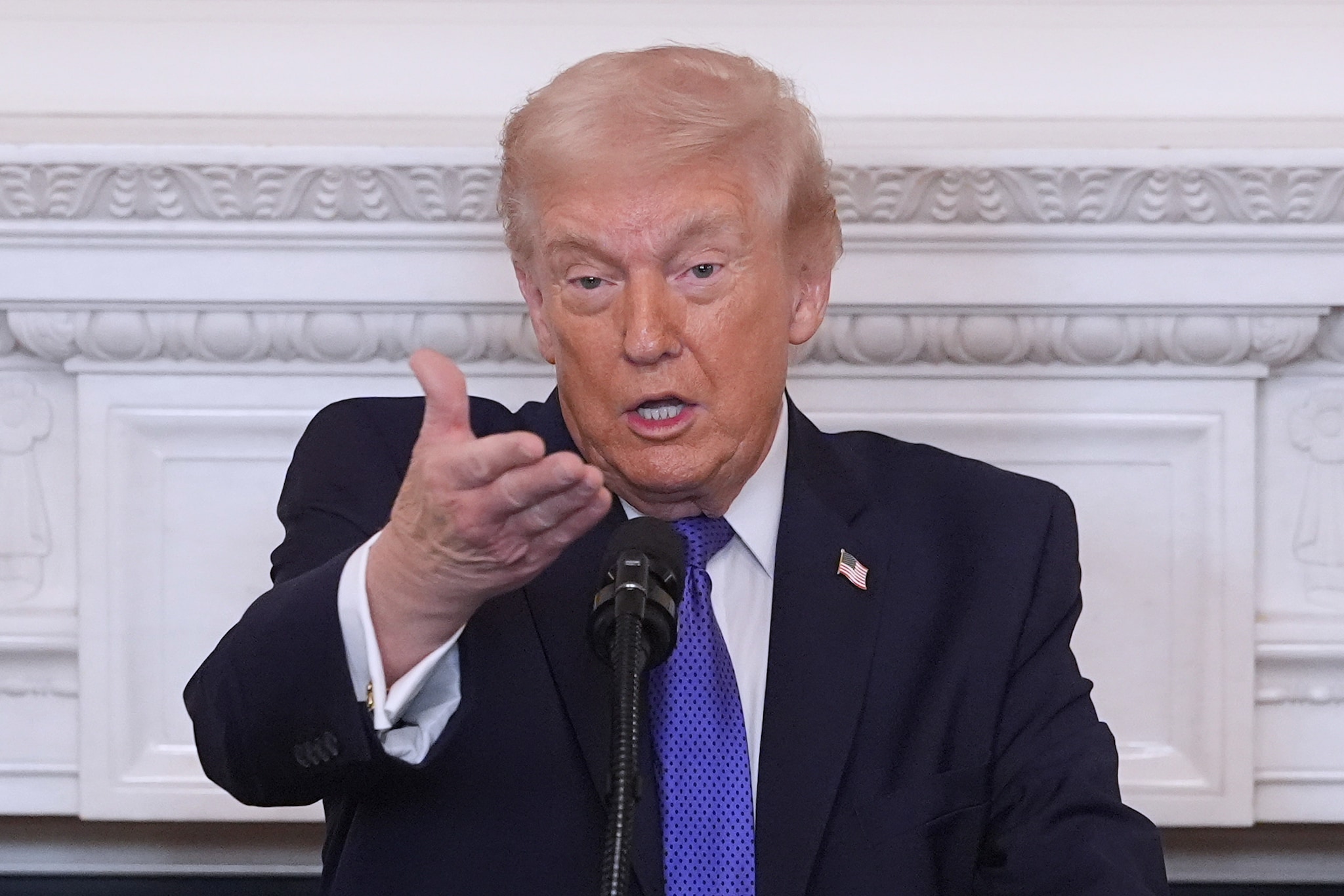
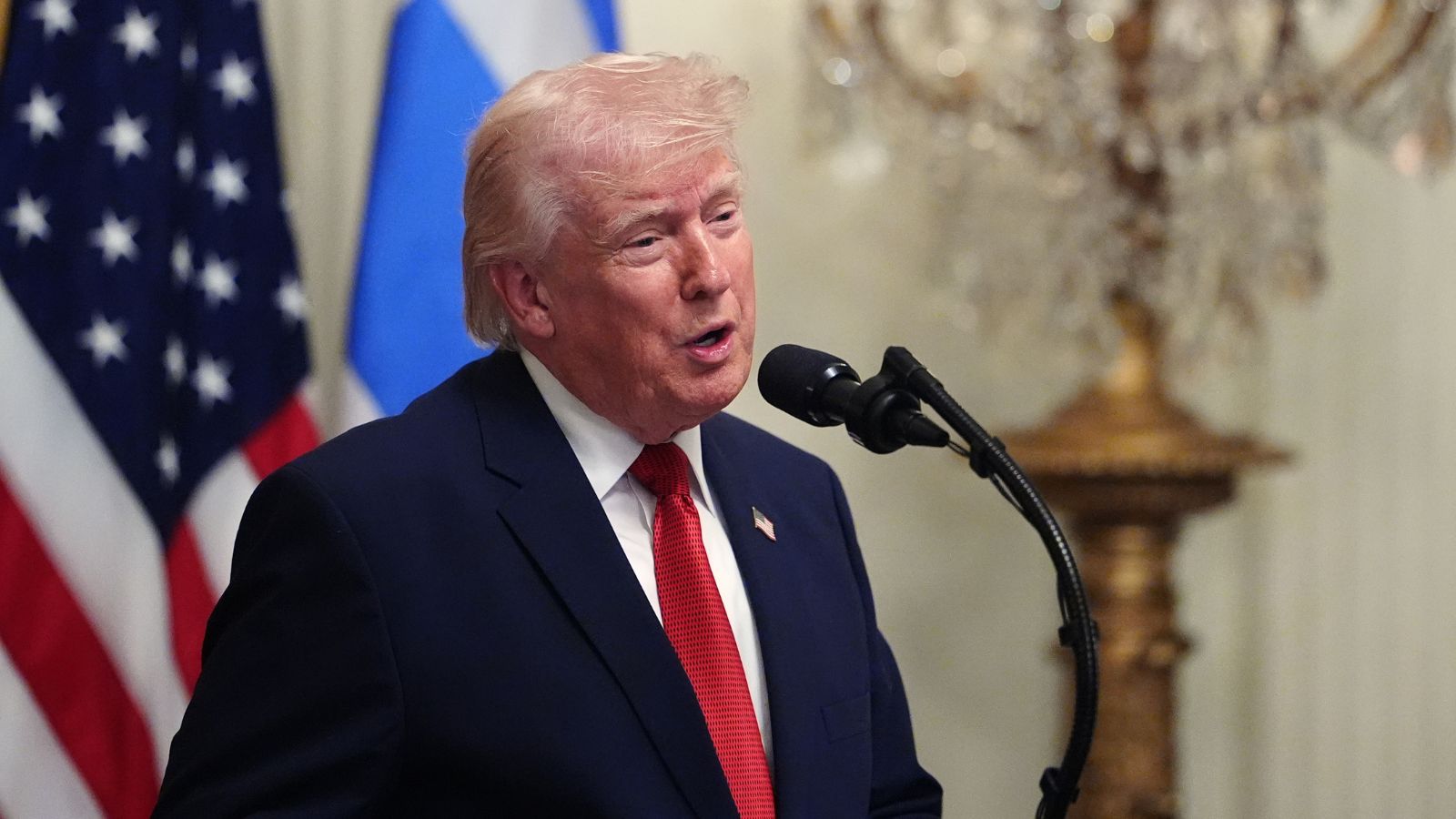
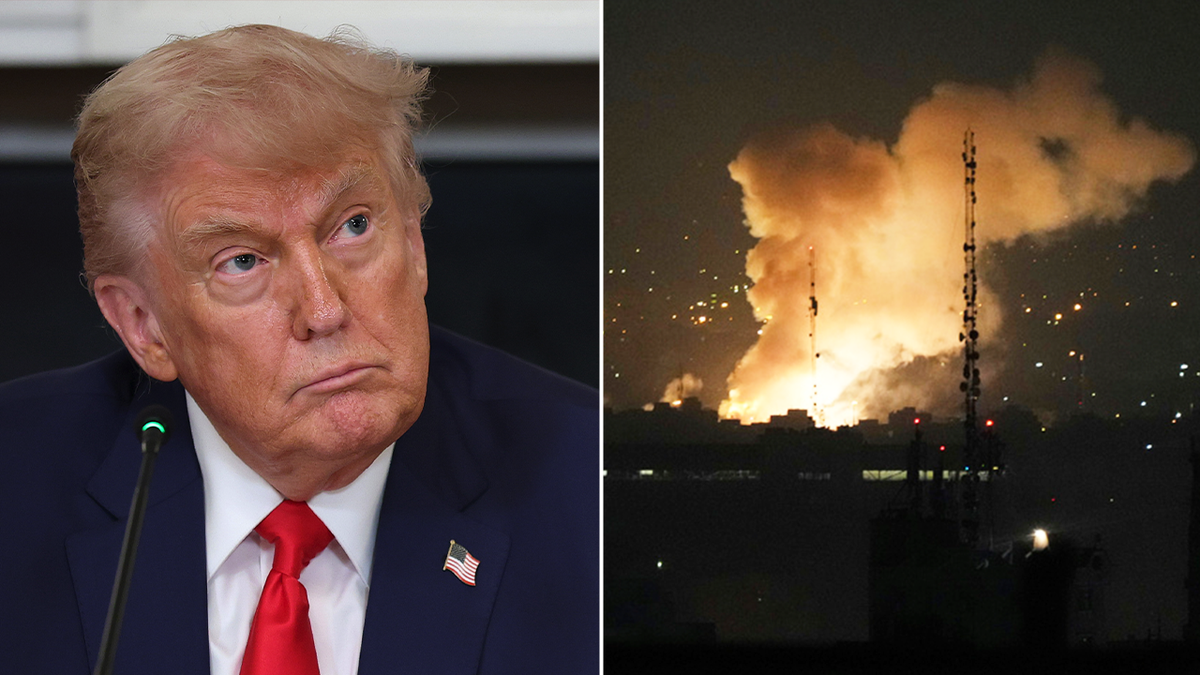
Trump’s message on Truth Social was vintage Trump—direct, loud, and ominous. He claimed Iranian negotiators are essentially begging for a deal behind the scenes while playing tough in public. "They’d better get serious soon," he warned. If they don't, the next phase won't be pretty. This "inflection point" is real. U.S. Central Command says they’ve already wiped out 9,000 military targets inside Iran. Tehran’s combat capability is in the dirt, yet they’re still throwing punches at Gulf neighbors and Israel.
Pakistan Steps Into the Crossfire
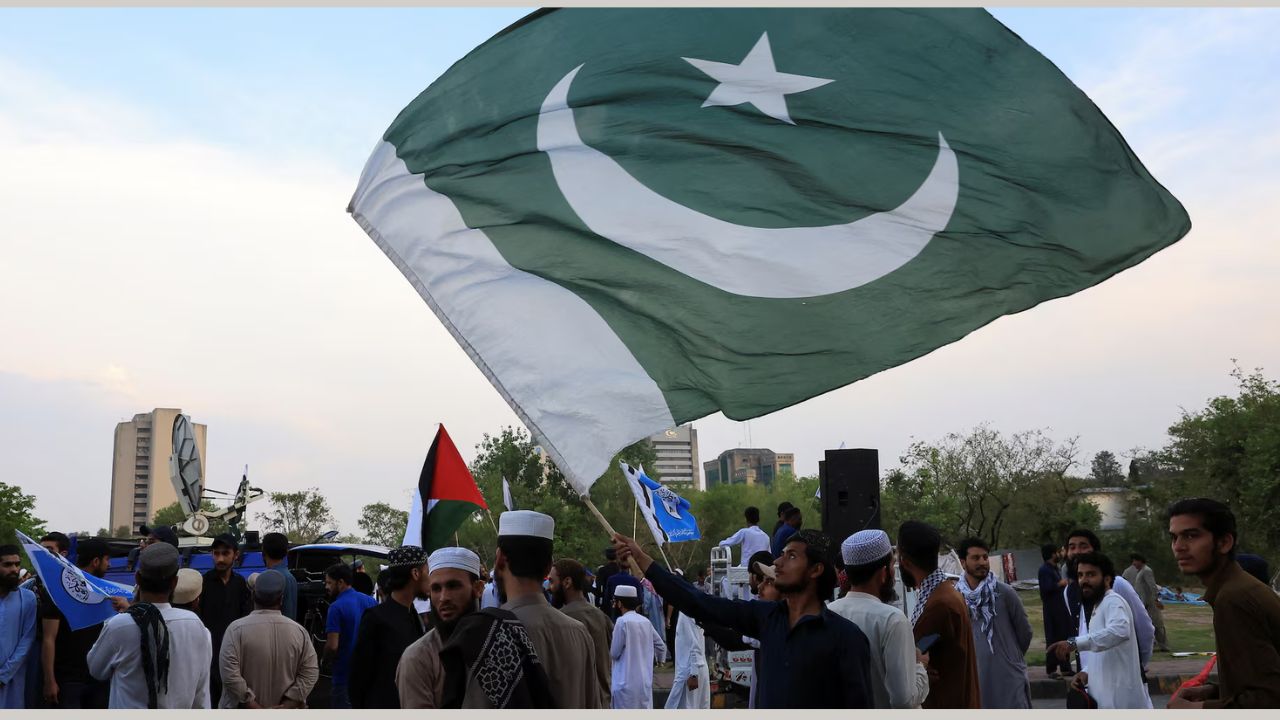
The most interesting part of this mess is who's carrying the mail. Pakistan's Foreign Minister, Ishaq Dar, confirmed that Islamabad is the primary bridge between Washington and Tehran. While the media was busy speculating about secret Swiss backchannels, it turns out the messages are flowing through Pakistan. Similar coverage on this trend has been shared by NBC News.
It’s a high-stakes gamble for Islamabad. They’re balancing a massive neighbor in Iran with a demanding superpower in the U.S. Dar says the 15-point plan is currently being "deliberated" by the Iranian leadership. But there's a huge gap between deliberation and agreement. Iran’s Foreign Minister, Abbas Araghchi, is still telling state TV that they haven’t engaged in talks at all. One side says they’re begging; the other says they’re not even in the room. Honestly, both can't be true.
What’s Actually in the 15 Point Plan
We don't have the full classified list, but enough has leaked to know why Iran is choking on it. It’s not a negotiation; it’s a list of demands for total capitulation.
- Nuclear Surrender: Shipping out all uranium stockpiles and making enrichment sites unusable within 30 days.
- The Strait of Hormuz: Trump wants it open, and he wants it now. Iran views it as their "tollbooth" and their only remaining leverage.
- Regional Non-Aggression: A complete stop to hostilities from every proxy group, from Lebanon to Yemen.
- Reparations: Interestingly, Iran has countered with their own 5-point plan demanding damages for the infrastructure already blown to bits.
Why This War is Different Now
The death toll is staggering. Over 4,600 people are dead. Half of those in Iran were civilians caught in the crossfire of "Operation Epic Fury." Trump is also losing patience with his allies. He’s been lashing out at NATO, accusing them of doing "absolutely nothing" while the U.S. does the heavy lifting.
It’s not just a two-way fight anymore. Gulf countries like Saudi Arabia, the UAE, and Kuwait are finally speaking up. They’ve had enough of Iranian drones hitting their fuel facilities and airports. They’ve released a joint statement signaling they’re ready to act in "self-defense." Basically, Iran is running out of friends and space to hide.
The Iraq Front is Exploding
While everyone watches Tehran, Iraq is turning into a secondary blast zone. We’ve seen strikes in Erbil near the U.S. consulate and major hits on militia headquarters in Anbar province. It’s messy. You’ve got U.S. forces, Iranian-aligned militias, and local security all tripping over each other in a very tight space.
If you’re waiting for a clean ending, you’re going to be disappointed. The U.S. is moving 2,500 Marines and 1,000 paratroopers from the 82nd Airborne into the region. That’s not a peacekeeping force; that’s a "just in case" force.
You should keep a close eye on the oil markets and the specific movement of the USS Tripoli. If that 10-day window closes without a signature on Dar’s 15-point document, the "no turning back" part of Trump's warning becomes a reality. Watch the Strait of Hormuz—it’s the only barometer that matters right now.