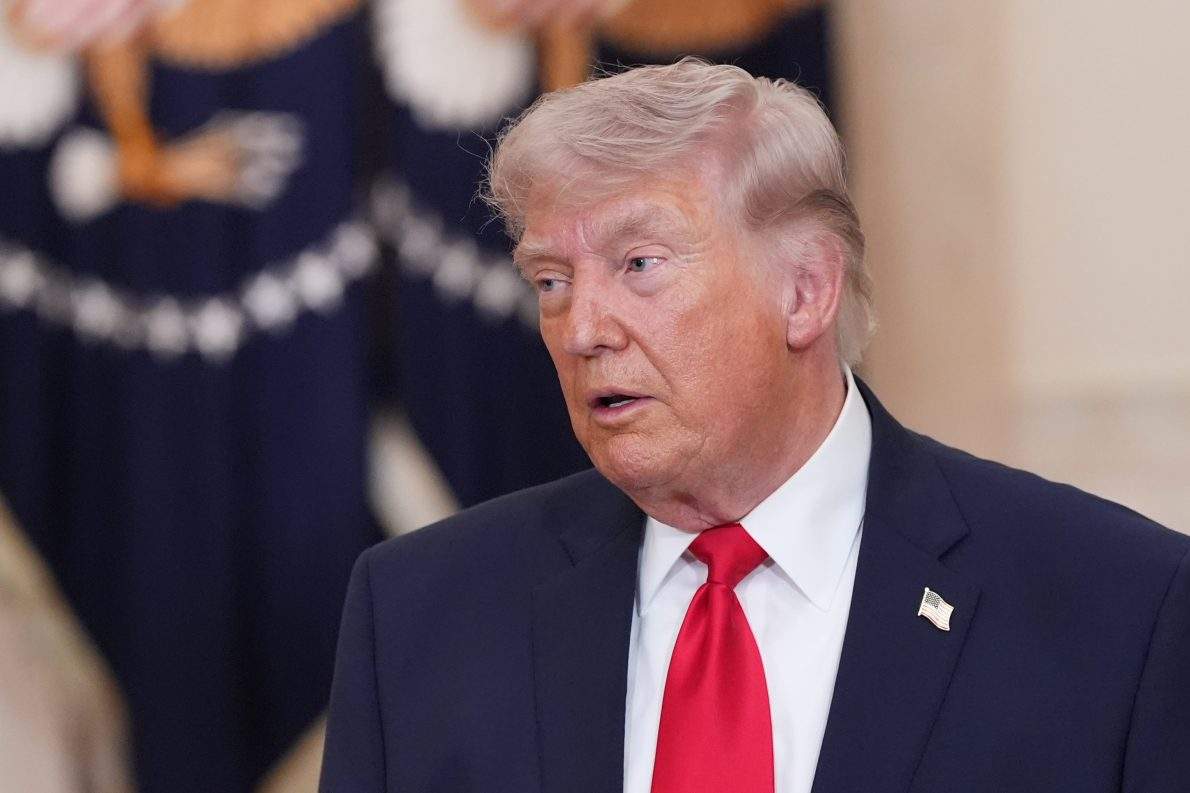
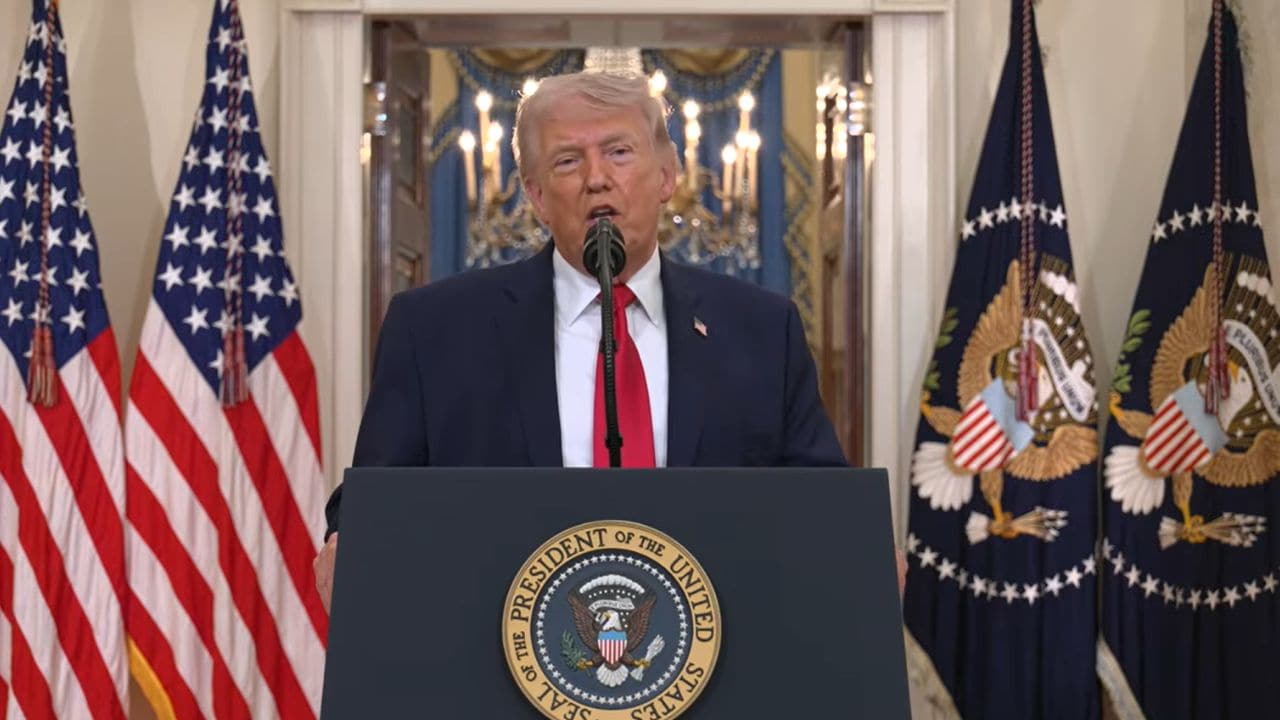
The wait is over for the pharmaceutical industry, and it's not the news they wanted. President Trump just signed an executive order that hits patented drug imports with a massive 100% tariff. It's a bold play designed to force drugmakers to move their factories to U.S. soil. If you've been following the trade wars of the last year, you know this is the biggest "buy American" move we've seen yet.
But it's not just about pills. The administration also took a sledgehammer to the existing metal duty framework, fundamentally changing how we tax imported steel, aluminum, and copper. This isn't just a minor adjustment; it’s a total overhaul of the "Liberation Day" policies that have defined trade since 2025. You might also find this related coverage insightful: Why Trump is Right About Tech Power Bills but Wrong About Why.
The 100 percent drug tax explained
The logic here is simple but aggressive. The administration wants to end America’s reliance on foreign-made medicine. To do that, they’re using a carrot-and-stick approach that leaves very little middle ground.
If a pharmaceutical company wants to avoid the 100% tax, they have two real options. They can sign a "most favored nation" pricing deal—basically promising to give the U.S. the same low prices they offer other countries—and start building a factory in the States. If they do both, their tariff drops to 0%. As extensively documented in latest articles by The Economist, the effects are worth noting.
What if they start building but don’t agree to the pricing deal? They’ll pay a 20% tariff now, but that rate climbs to 100% in four years. It’s a ticking clock designed to squeeze every major player in the market. Big companies like Pfizer and Eli Lilly have 120 days to figure out their "reshoring plans" before the hammer falls. Smaller firms get 180 days.
This isn't just about money; it’s being framed as a national security issue. The White House argues that depending on other countries for life-saving meds is a vulnerability we can't afford. Critics, of course, say this will just make healthcare more expensive. But the administration is betting that the threat of a 100% price hike will be enough to make "Made in the USA" the only viable business model for big pharma.
Simplification or a hidden hike for metals
While pharma got the headlines, the changes to metal duties might actually have a bigger impact on your daily life. The old system was a mess. Importers were constantly fighting over how much "metal value" was actually in a finished product, leading to endless paperwork and legal headaches.
The new rules, effective Monday, April 6, change the math entirely.
- Commodity metals: Still a 50% tariff, but it's now calculated on the sales price the U.S. customer pays, not the low value declared at the border. This closes a loophole that many companies were using to dodge taxes.
- Finished goods (Derivatives): If a product is mostly metal (more than 15% by weight), like a washing machine or a tractor part, it gets a flat 25% tariff on its entire value.
- Minimal metal goods: If the metal content is under 15%, like the tiny blade on a dental floss container, the tariff is gone completely.
This is a massive win for simplicity, but it’s a mixed bag for costs. For a high-end stainless steel sink, a 25% tax on the whole thing might actually be more expensive than the old 50% tax on just the raw steel content. The administration calls it "streamlining," but for many importers, it’s going to feel like a price increase.
Winners and losers in the new trade landscape
Not every country is getting hit with the full force of these duties. The U.S. has carved out specific deals with "friendly" partners. The U.K., for instance, secured a 10% rate on drugs, which could eventually drop to zero. The EU, Japan, South Korea, and Switzerland are looking at a 15% cap.
Australia, on the other hand, seems to have been left out in the cold for now. Their health minister called the move "deeply disappointing," especially since they export nearly $2 billion in pharma to the U.S. every year. It shows that the "America First" strategy isn't just about China anymore; it's about pressuring everyone to play by new rules.
For the tech sector and the energy grid, there’s a small silver lining. Tariffs on certain industrial and power-grid equipment are being cut from 50% down to 15% through 2027. This is a clear attempt to make sure the massive data center build-outs for AI don't grind to a halt because of high component costs.
What happens next
If you’re a business owner or an investor, the next four months are critical. The pharmaceutical "negotiation window" is open, and we’re likely to see a flurry of announcements about new U.S. factories.
For everyone else, watch the prices of appliances and cars starting Monday. The shift to taxing the "full customs value" of metals means the cost of manufacturing in the U.S. using foreign materials just went up. You can expect companies to pass those costs down to you sooner rather than later.
Don't wait for a "final" trade deal to settle the markets. This administration has shown they're willing to rewrite the rules on a weekly basis. Your best move is to audit your supply chain now. If you're importing anything with more than 15% steel or aluminum, your costs are about to change. If you're in the pharma space, the "wait and see" approach is officially dead.