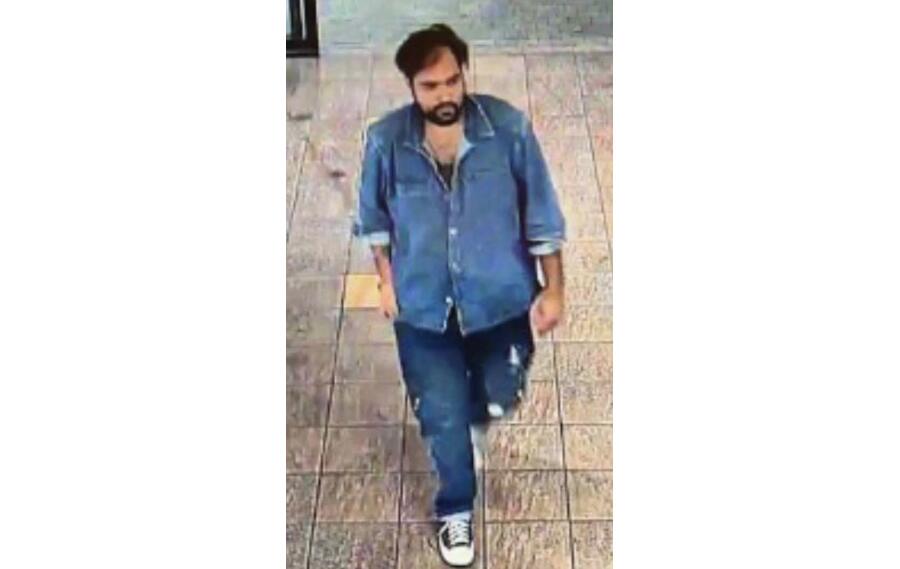
Justice just got a lot more complicated in Northern California. Prosecutors are now moving forward with a third homicide charge against the man already linked to a gruesome double murder. This isn't just about a single incident anymore. It’s a pattern that has local investigators looking back through cold cases and missing person reports. If you've been following the updates on the NorCal double murder suspect, the latest courtroom developments change the entire scope of the trial.
Authorities confirmed that new evidence linked the suspect to a previous, unsolved killing. This isn't a "twist" in a true crime podcast. It’s a reality for families who have waited months, or years, for an answer. Prosecutors don't add a third murder charge on a whim. They do it when the forensic trail becomes undeniable. For a different view, consider: this related article.
The evidence that triggered the new homicide charge
Adding a third count of murder requires more than just a hunch. Investigators often rely on ballistic matches, DNA recovery, or digital footprints that connect a suspect to a location they previously denied visiting. In this specific case, the Northern California legal team didn't just stumble upon this. It was the result of a multi-agency effort. When a suspect is arrested for a high-profile double murder, their entire history goes under a microscope.
Detectives often re-examine "the gap." That’s the period between known crimes where a violent offender might have been active but remained under the radar. By analyzing the suspect's movements and comparing them to open homicide files in the region, they found a match that was too close to ignore. We aren't talking about circumstantial leftovers here. We’re talking about specific evidence that ties this individual to a third victim. Further coverage on this matter has been provided by TIME.
Why prosecutors wait to file additional charges
You might wonder why they didn't charge him with all three at once. The legal system is slow for a reason. Prosecutors prefer to file "clean" charges—cases where the evidence is overwhelming and ready for a jury. If they rush a third charge without enough backing, they risk a defense attorney picking it apart and casting doubt on the original double murder charges.
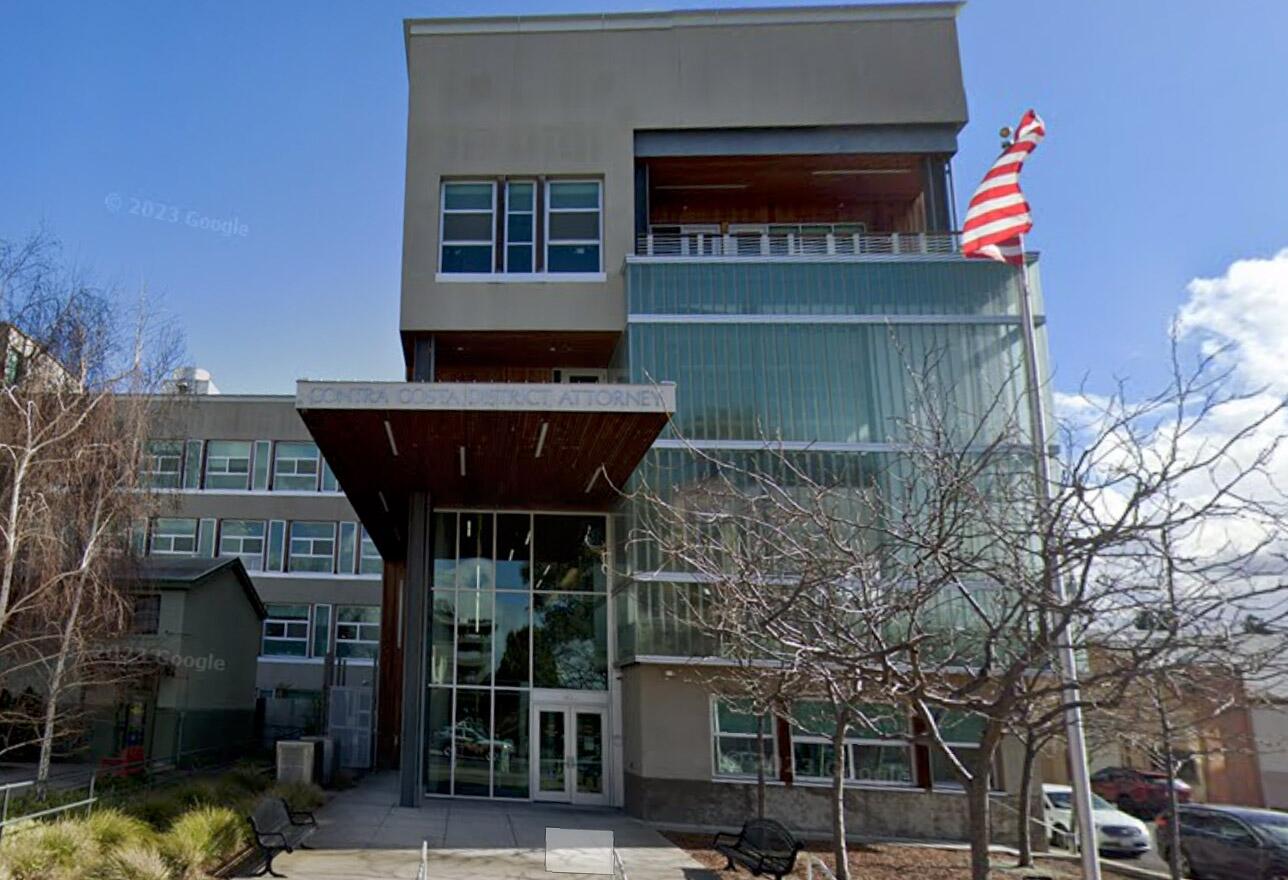
It’s a strategic play. By securing the first two charges, they ensure the suspect stays behind bars while they solidify the third case. This "rolling indictment" style keeps the pressure on the defense. It also prevents the suspect from getting a speedy trial on a weak charge that might lead to an acquittal. In NorCal, the District Attorney's office is clearly playing the long game. They want a conviction that sticks, not a headline that fades.
Impact on the families and the community
When a "double murder suspect" becomes a "triple murder suspect," the community's sense of safety takes another hit. It suggests a serial nature to the crimes. For the family of the third victim, this news is a double-edged sword. It brings the possibility of closure, but it also forces them to relive the trauma in a very public way.
I’ve seen how these cases play out in small Northern California towns. Everyone knows someone involved. The local courthouse becomes a focal point for grief and anger. This third charge validates the fears of many who felt there was more to the story. It also puts a spotlight on how we track violent offenders across county lines. Sometimes, the only thing that connects these crimes is a dedicated detective who refuses to let a file stay closed.
What happens next in the courtroom
The defense is going to fight this hard. They’ll likely argue that the third charge is "prejudicial"—that it’s only being added to make the suspect look like a monster in front of the jury for the first two murders. They might even ask for the trials to be severed. That means they’d have one trial for the double murder and a completely separate trial for the third homicide.
Judges have to balance the right to a fair trial with the efficiency of the court. If the crimes are similar enough in "modus operandi" (how they were committed), the judge might allow them to be tried together. If they’re distinct events with different evidence, we could be looking at years of legal back-and-forth.
- Arraignment on new charges: The suspect will have to enter a plea specifically for the third count.
- Discovery phase: The defense gets to see every piece of "new" evidence the prosecution found.
- Pre-trial motions: Expect a lot of arguing over what the jury is allowed to hear.
The reality of multi-victim cases in California
California’s legal landscape is tough on multi-victim cases. With the death penalty currently under a moratorium, the focus shifts to life without the possibility of parole. A third homicide charge essentially hammers the door shut on any chance of the suspect ever seeing the outside of a prison cell.
It’s about more than just time served, though. It’s about the official record. Each victim deserves their own day in court. Each name deserves to be read in the indictment. By adding this third charge, the state is acknowledging that this third life had value and that the person responsible must be held accountable for that specific act, regardless of what else they did.
How to track this case moving forward
If you’re keeping an eye on this, don't just look for the big headlines. Watch the court calendars for the specific county where the third murder occurred. Often, these updates happen in small, procedural hearings that don't make the evening news.
Pay attention to:
- The names of the victims: Understanding the timeline helps piece together the suspect's history.
- Forensic updates: Any mention of DNA or ballistics usually signals how strong the case is.
- Change of venue motions: High-profile cases like this sometimes get moved to different counties to find an unbiased jury.
This case is far from over. With a third homicide charge now on the table, the complexity has tripled. The NorCal legal teams are digging in for a massive battle. You should expect more details to leak as the discovery process begins and more people from the suspect's past come forward.
Stay informed by checking official sheriff’s office releases and local court dockets. These sources provide the raw facts before they get filtered through the media cycle. The next few months will determine if this suspect faces a single trial or a series of legal reckonings that could span the next decade.