The global nuclear order is fracturing. In Tehran, the rhetoric regarding the Treaty on the Non-Proliferation of Nuclear Weapons (NPT) has shifted from cautious compliance to an open assessment of the exit ramp. This is not merely another cycle of Middle Eastern brinkmanship. It is a calculated response to a decade of failed diplomacy, tightening economic strangulation, and the realization that the international community’s "carrots" have largely rotted. When Iranian officials state they receive no benefit from the NPT, they are signaling that the cost of staying inside the tent now exceeds the risk of burning it down.
The NPT was built on a grand bargain. Non-nuclear states promised never to acquire atomic weapons in exchange for access to peaceful nuclear technology and a commitment from nuclear powers to eventually disarm. Tehran now argues the bargain is void. From their perspective, they have the inspections but none of the trade, the restrictions but none of the security.
The Calculus of a Strategic Exit
For decades, the NPT has been the bedrock of global security. It kept the number of nuclear-armed states to a handful. But for a nation under the weight of "maximum pressure" sanctions, a treaty is only as valuable as the protection it affords. Iranian leadership has watched the geopolitical chessboard and reached a grim conclusion. They see North Korea, which exited the NPT and achieved a nuclear deterrent, and they see Libya, which gave up its program only to see its regime toppled by the same powers that negotiated the deal.
The math for Tehran is becoming brutally simple. If the International Atomic Energy Agency (IAEA) continues to press for answers on historical sites while the U.S. and Europe refuse to guarantee banking and oil channels, the NPT ceases to be a legal framework and becomes a cage.
The Trigger Points of Withdrawal
Withdrawal is not an overnight event. Article X of the NPT allows a state to leave if "extraordinary events" have "jeopardized the supreme interests of its country." Iran has already laid the groundwork for this justification. They point to the 2018 U.S. withdrawal from the Joint Comprehensive Plan of Action (JCPOA) as the primary breach of faith.
But the real movement is happening in the enrichment halls of Fordow and Natanz. By pushing uranium enrichment levels toward 60% and maintaining the technical capability to hit 90% (weapons grade) within weeks, Tehran has created a "breakout" status that exists regardless of whether they formally leave the treaty. The threat to exit the NPT is the final diplomatic card. Once played, the oversight of the IAEA vanishes, and the "black box" of their nuclear program becomes absolute.
Why Diplomacy Lost Its Teeth
The failure of the last five years of negotiations lies in a fundamental disconnect between Western demands and Iranian realities. Western negotiators sought a "longer and stronger" deal that would address ballistic missiles and regional influence. Tehran, meanwhile, was struggling to process the fact that a signed agreement with one American administration could be shredded by the next.
This lack of institutional continuity in Washington destroyed the incentive for Tehran to make permanent concessions. Why pour concrete into your enrichment pipes if the sanctions relief only lasts until the next election cycle?
The Illusion of Sanctions Relief
Economic data suggests that even during the peak of the JCPOA, the actual benefit to the Iranian citizen was minimal. Systematic "over-compliance" by global banks meant that even legal trade was stifled. Tehran’s current stance—that the NPT offers no benefit—is a reflection of this economic isolation. They are effectively saying that they are already being treated as a pariah state, so they might as well have the strategic leverage that comes with being an unmonitored nuclear power.
The Regional Domino Effect
If Iran walks away from the NPT, the shockwaves will not stop at the Persian Gulf. This is the nightmare scenario for global non-proliferation. Saudi Arabia has already stated, in no uncertain terms, that if Iran gets a bomb, they will follow suit. Turkey and Egypt would face immense internal and external pressure to reconsider their own nuclear status.
The Middle East would transition from a region of proxy wars to a region of nuclear hair-triggers. Unlike the Cold War, which featured a bilateral standoff with established communication lines, a multi-polar nuclear Middle East would be inherently unstable. The margins for error would shrink to zero.
The Role of the IAEA
The IAEA is currently in an impossible position. Its inspectors are the world's eyes on the ground, but their access is being chipped away. When Iran de-designates top-tier inspectors or limits camera access, they are testing the world's peripheral vision. If the agency loses its ability to verify the non-diversion of nuclear material, the NPT becomes a dead letter long before a formal withdrawal notice is filed in New York.
The agency’s Director General has warned that the "space for maneuver" is narrowing. This is diplomatic code for the fact that we are approaching a point of no return.
The Shift Toward an Eastern Alliance
One factor often overlooked by Western analysts is Iran’s "Look to the East" policy. As relations with Europe and the U.S. withered, Tehran strengthened ties with Moscow and Beijing. This is a critical component of their NPT exit strategy. If Tehran believes that China and Russia will provide a diplomatic shield at the UN Security Council, the fear of "snapback" sanctions loses its sting.
The recent inclusion of Iran into the BRICS+ bloc and the Shanghai Cooperation Organization (SCO) provides a framework for economic survival outside the Western financial system. This doesn't just help their economy; it emboldens their nuclear negotiators. They no longer feel they are screaming into a vacuum.
Hardliners and the Domestic Pivot
Inside Iran, the political center of gravity has shifted. The pragmatic wing that championed the 2015 deal has been sidelined. The current power structure is dominated by those who believe that the West only respects strength. To these hardliners, the NPT is a vestige of a pro-Western foreign policy that failed to deliver prosperity.
They argue that a "nuclear-capable" Iran—even without a finished weapon—is the only way to force the U.S. to the table on equal terms. It is a high-stakes gamble that assumes the West will blink before taking military action.
The Military Option and Its Limits
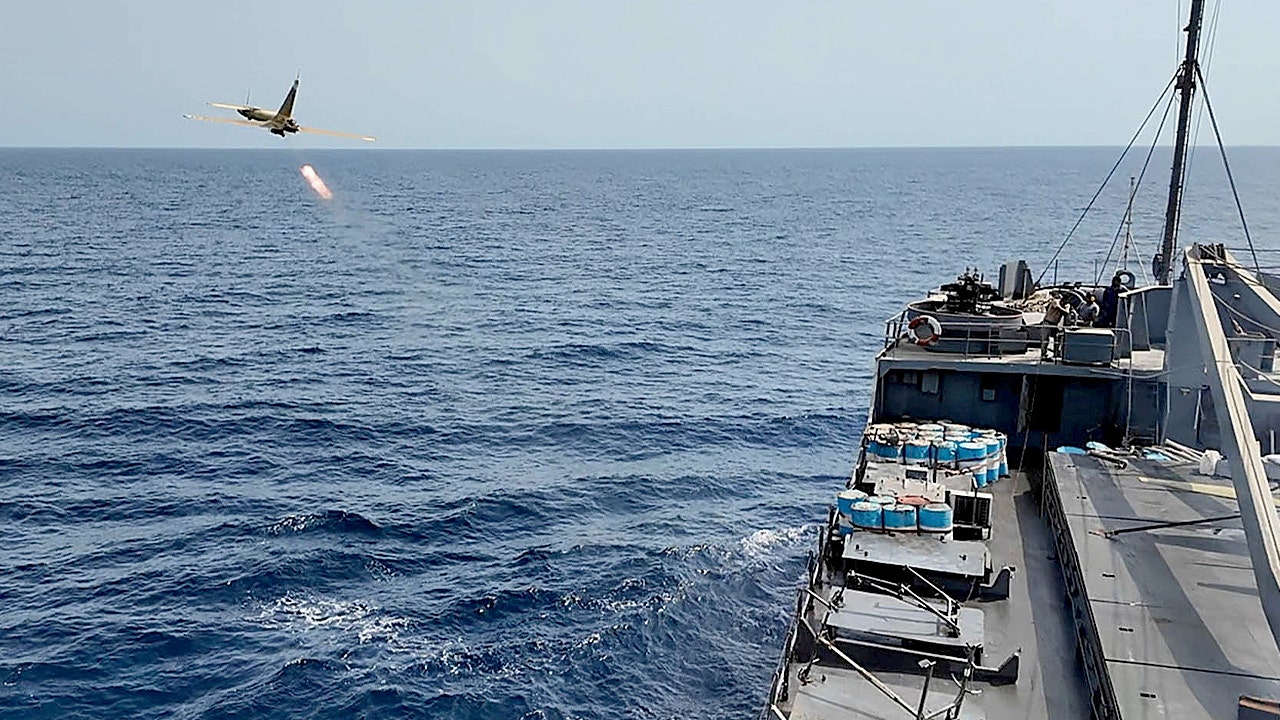
For years, the threat of "all options on the table" was used to keep Tehran within the NPT's boundaries. However, the effectiveness of military threats has diminished. Iran’s nuclear infrastructure is deeply buried, widely dispersed, and defended by advanced air defense systems.
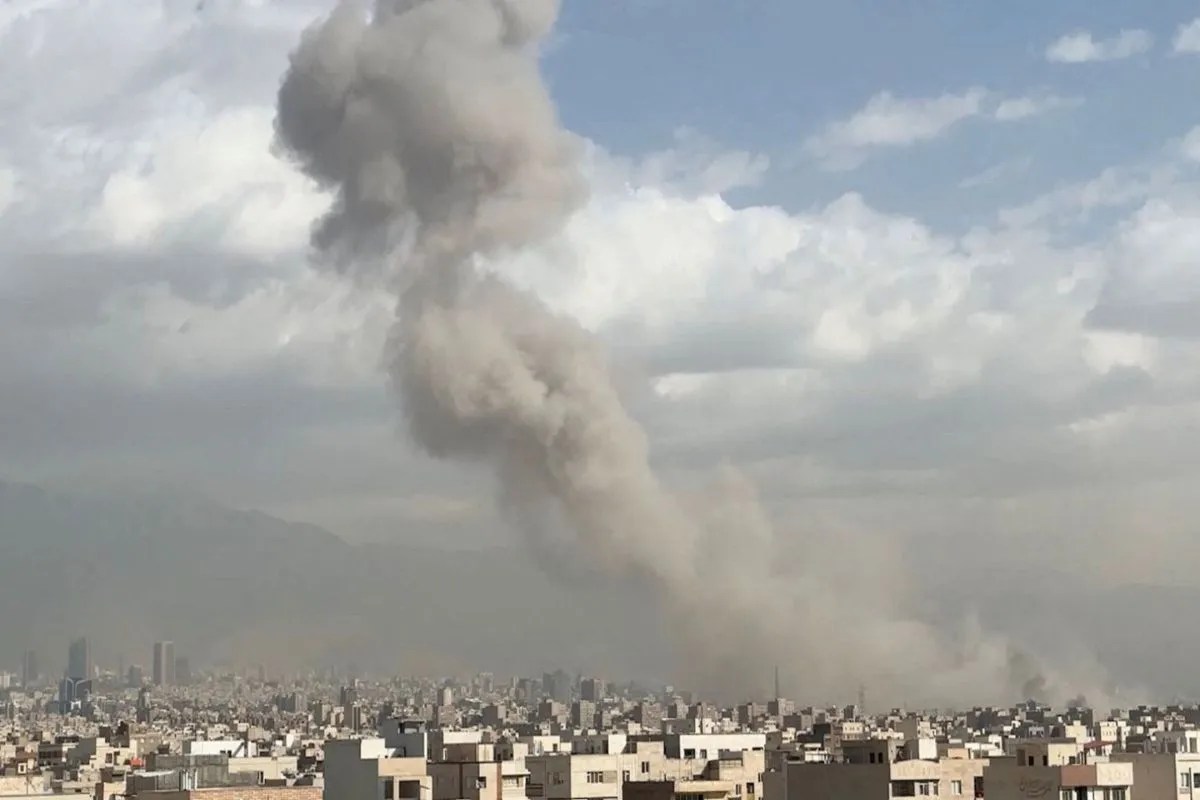
A strike might delay the program, but it would almost certainly guarantee a formal withdrawal from the NPT and a dash for a weapon. You cannot bomb the knowledge out of the heads of Iranian scientists. In fact, a military intervention would provide the ultimate "extraordinary event" justification for Tehran to legally exit the treaty and build a deterrent as a matter of national survival.
A System in Terminal Decline
The NPT was never meant to be a suicide pact. It was supposed to be a living agreement that evolved with the security needs of its members. By failing to provide a path for Iran to integrate into the global economy while maintaining a peaceful program, the international community has inadvertently created an incentive for exit.
The current trajectory points to a slow-motion collapse. Tehran will likely continue to hollow out the treaty from the inside, reducing cooperation until the NPT is nothing more than a hollow shell. By the time a formal withdrawal is announced, it may simply be a recognition of a reality that has existed for years.
The world is moving toward a post-NPT era where the rules of the road are unwritten and the guardrails are gone. This isn't a future problem. It is the current state of the board. The window to restore the "grand bargain" is not just closing; it is being nailed shut from the inside.
Identify the specific technical benchmarks in the latest IAEA reports to see exactly how close the "breakout" has become.