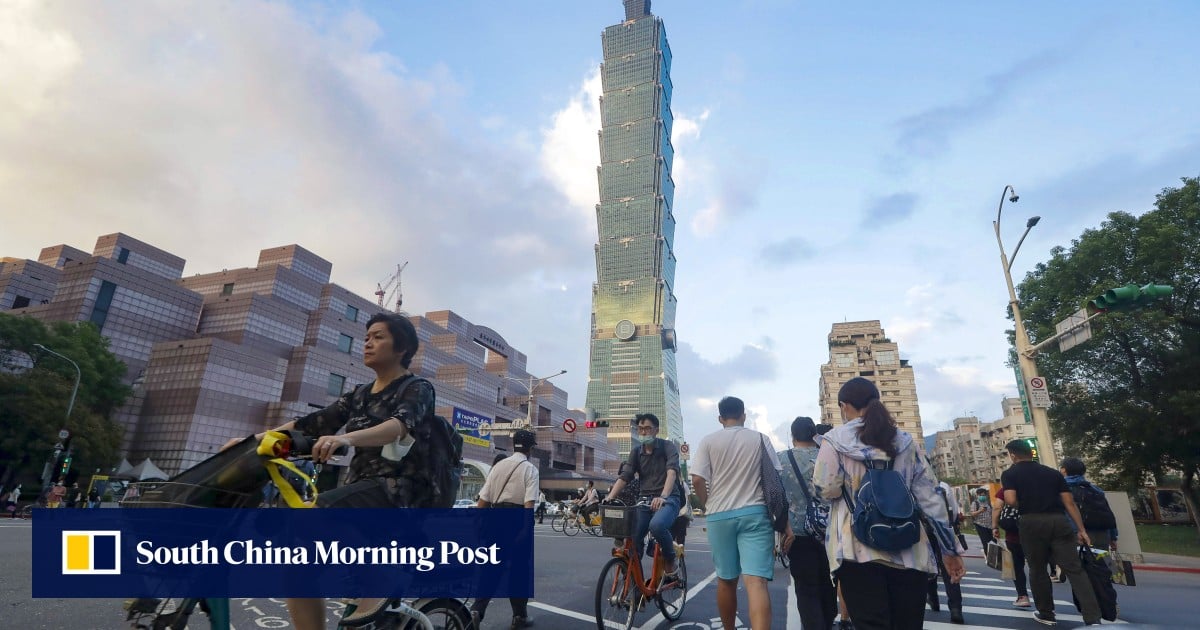
Taiwan usually picks its battles carefully. When you're a self-governed island living under the constant shadow of a superpower that claims you as its own, every word out of your foreign ministry is measured. Yet, on March 3, 2026, Taipei did something that caught regional observers off guard. It didn't just issue a bland statement on Middle East stability; it explicitly called for the Iranian people to enjoy "freedom and democracy."
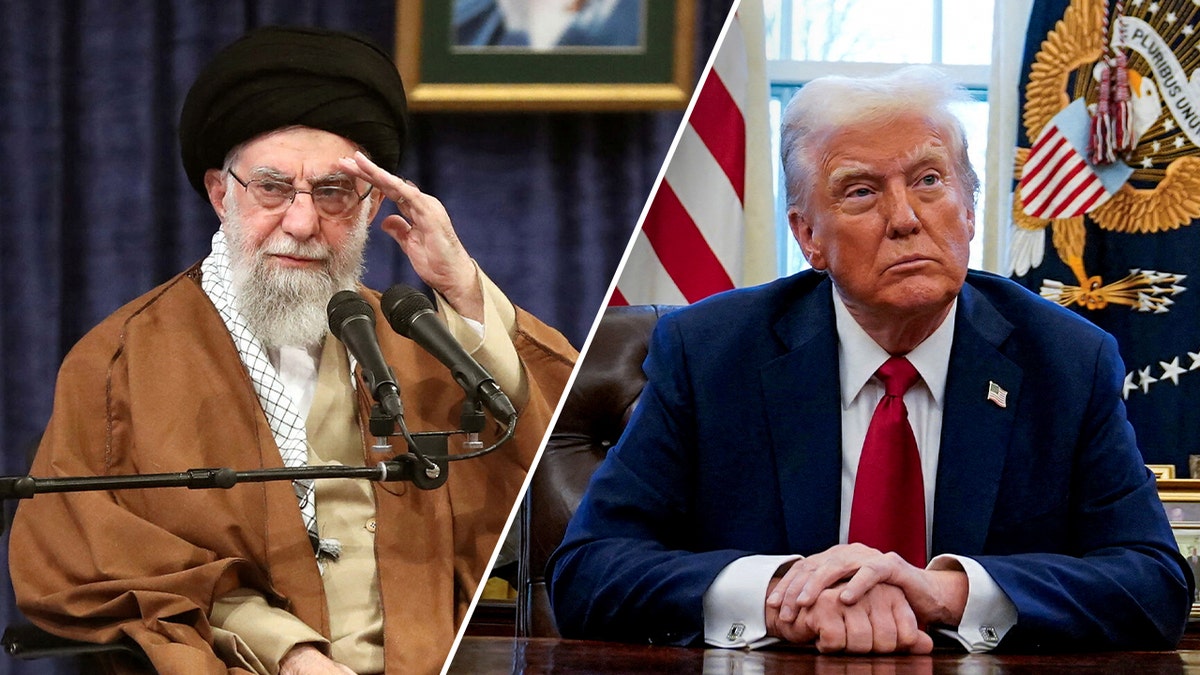
This isn't just about human rights. It's about a shifting global strategy where Taipei is increasingly tying its survival to a worldwide "democracy shield." By backing the Iranian people, Taiwan is signaling that it belongs to a specific club—one that opposes the "axis of upheaval" formed by China, Russia, and Iran.
A direct challenge to the authoritarian axis
The timing of these remarks matters. They come on the heels of major US and Israeli military actions against Iranian leadership—Operation Epic Fury. While the rest of the world debated the legality of these strikes, Taiwan's Foreign Ministry spokesman, Hsiao Kuang-wei, was blunt. He stated that Taiwan, as a member of the international democratic community, supports efforts to help Iranians pursue human rights.
Why stick your neck out for a country thousands of miles away? Honestly, it's because the lines are being drawn.
China provides the economic lifeblood for the Iranian regime, buying roughly 90% of its oil exports through "ghost fleets." In return, Iran acts as a strategic distraction, keeping US resources bogged down in the Middle East so they aren't fully concentrated in the Indo-Pacific. By vocalizing support for a democratic Iran, Taiwan is attacking the legitimacy of one of Beijing's most important partners.
The Israel parallel
President Lai Ching-te has been vocal about the "parallels" between Israel and Taiwan. Both are small, technologically advanced democracies facing existential threats from much larger neighbors or their proxies.
- Security Ties: Despite no formal diplomatic relations, Taiwan and Israel have deepened engagement since 2023.
- Intelligence Sharing: Deputy Foreign Minister Francois Wu’s secret trip to Israel in late 2025 highlights a level of cooperation that used to be kept in the dark.
- The Decapitation Fear: Military analysts in Taipei are watching the recent strikes in Iran with a mix of awe and anxiety. If a regime can be dismantled through precision strikes on its leadership, China might think it can do the same to Taipei.
Values based diplomacy as a survival tactic
For decades, Taiwan practiced "pragmatic diplomacy"—essentially trying to buy friends or stay quiet enough to avoid angering Beijing. That era is over. Under the current administration, the strategy is "values-based diplomacy."
It sounds like a PR slogan, but it’s actually a hard-nosed security policy. If Taiwan can convince the world that its existence is a "global public good" because it is a beacon of democracy, then an attack on Taiwan becomes an attack on the democratic idea itself.
Why this matters for the average Iranian
The protests that ignited in Iran on December 28, 2025, weren't just about the hijab or even political representation; they were driven by brutal economic hardship. Taiwan’s message is a bit of a "we see you" to the dissidents on the ground.
While China urges "non-interference"—which is code for "let the regime crush the dissent"—Taiwan is using its platform to validate the protesters. It’s a way of saying that the "rules-based order" isn't just for the West; it's a universal aspiration.
The strategic cost of silence
Critics might say Taiwan is overreaching. After all, the island doesn't have the military or economic clout to actually influence the outcome in Tehran. But silence has its own cost.
If Taiwan doesn't stand up for democratic movements elsewhere, it loses the moral high ground when it asks for help against Chinese coercion. By condemning Iran’s "indiscriminate military attacks" on Gulf neighbors and supporting the US-Israeli stance, Taipei is ensuring it stays in the inner circle of the Western security apparatus.
What happens if the Iranian regime falls?
For Taiwan, a democratic Iran would be a nightmare for Beijing.
- Oil Supply: A new Iranian government might not be as willing to help China bypass US sanctions.
- Military Focus: If the Middle East stabilizes under a democratic framework, the US can pivot its full naval and air power to the South China Sea.
- Diplomatic Precedent: It proves that long-standing authoritarian regimes aren't invincible, even with Chinese backing.
Taiwan isn't just wishing for freedom in Iran out of the goodness of its heart. It's a calculated move to weaken the alliances that threaten its own shores.
If you want to understand where the world is heading, stop looking at what the big powers are doing and start looking at how "middle powers" like Taiwan are positioning themselves. They’re the ones who have the most to lose, and right now, they’re betting everything on a global democratic front.
Watch the upcoming G7 meetings in 2026. If other Indo-Pacific nations start echoing Taiwan's rhetoric on Iran, you'll know that the "democracy shield" is becoming a reality, not just a talking point. Keep a close eye on the Ministry of Foreign Affairs' social media channels; they're becoming the front line of this new rhetorical war.