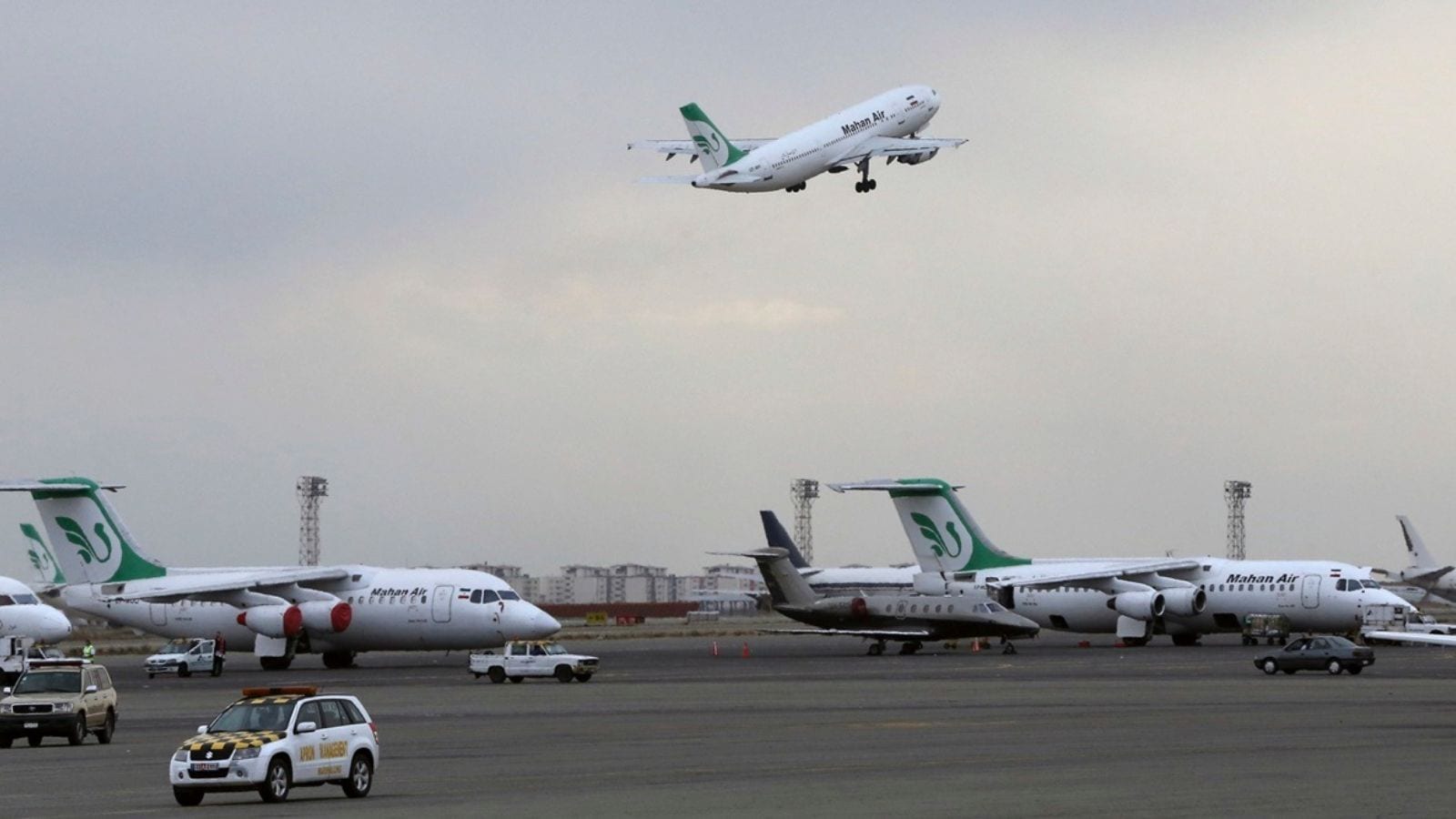
A Mahan Air aircraft destined for New Delhi now sits mangled at Mashhad International Airport. Iran is calling it a war crime. Washington hasn't said a word yet. But if you think this is just another back-and-forth in a long-standing grudge, you’re missing the bigger picture. This isn't just about a plane; it's about the collapse of the "safe zone" for humanitarian aid in the Middle East.
On March 30, 2026, reports surfaced that a US airstrike targeted the airport in Mashhad, a city in northeastern Iran. The specific target? A civilian aircraft scheduled to fly to India to pick up 11 tons of medical supplies. This wasn't a hidden military transport. It was a logistics link for people who need medicine. By hitting it, the rules of engagement just got a lot messier. You might also find this similar coverage insightful: Strategic Asymmetry and the Kinetic Deconstruction of Iranian Integrated Air Defense.
The Humanitarian Cost of a Tactical Strike
Iran's Civil Aviation Organization isn't holding back. They've labeled the attack a blatant violation of international law. Their argument is simple: you can't hit civilian assets, especially those flagged for humanitarian missions. The aircraft was meant to land in New Delhi on April 1 to collect life-saving cargo. Now, those supplies are sitting in a warehouse while the plane is a heap of scrap.
The timing is particularly brutal. India and Iran have been strengthening their "civilizational ties" lately. New Delhi sent its first major aid consignment to Tehran on March 18, 2026. This wasn't some back-alley deal; it was a public, diplomatic effort to keep Iranian civilians afloat during a period of intense regional conflict. When you blow up the bridge—or in this case, the plane—used for that aid, you aren't just hurting the Iranian government. You're hurting the people waiting for that medicine. As discussed in detailed reports by The Washington Post, the effects are significant.
Why Mahan Air is Always in the Crosshairs
If you’re wondering why the US would risk the bad PR of hitting an "aid plane," you have to look at the tail number. Mahan Air isn't your average commercial carrier. Washington has had them under sanctions for years. The US Treasury Department argues that Mahan Air is basically a travel agency for the Islamic Revolutionary Guard Corps (IRGC).
The US claim is usually that these "civilian" planes are actually moving drones, missiles, or specialized personnel to Russia or regional proxies. Earlier in March 2026, Israeli strikes reportedly took out nearly 17 aircraft at Mehrabad airport for this exact reason. The West sees a Trojan Horse; Iran sees a lifeline.
- The US Perspective: Every Mahan Air plane is a potential military asset.
- The Iranian Perspective: Using sanctions as a shield to destroy civilian infrastructure is a war crime.
- The Reality: Somewhere in the middle, the concept of "humanitarian immunity" is dying.
The India Factor
India finds itself in a tight spot here. New Delhi has been trying to play the role of the neutral humanitarian. They aren't using Indian Air Force planes for these shipments; they're letting Iran come and get the goods. This keeps India out of the direct line of fire—or so they thought.
By striking a plane specifically bound for New Delhi, the US is sending a secondary message to India: your "humanitarian" cooperation with Tehran isn't invisible. It's a high-stakes game of chicken where India is trying to maintain its strategic autonomy while the US is trying to enforce a total blockade.
What Happens When the Smoke Clears
The fallout from the Mashhad strike will be felt in the diplomatic halls of Geneva and New York. If Iran can prove the plane was strictly for medical transport, they’ll use it as a massive leverage point in the UN.
We've seen this before, but 2026 feels different. With tensions at an all-time high after the reported deaths of senior Iranian leaders earlier this month, there's no room for "accidental" collateral damage. Every missile has a message attached to it.
If you're following this, don't just look for the military body count. Watch the cargo manifests. When medicine becomes a valid target, the "laws of war" are basically just suggestions.
Keep an eye on New Delhi’s official response in the next 48 hours. If India stays silent, it’s a win for US pressure. If they condemn the disruption of the aid mission, we’re looking at a serious rift between the West and one of its most important partners in the Global South. Check the flight tracking data for any Indian cargo alternatives—that'll tell you if the mission is truly dead or just delayed.