## The 48-Hour Delusion
The media is eating it up. Donald Trump issues a blistering 48-hour ultimatum demanding Iran reopen the Strait of Hormuz. Tehran fires back with fire-and-brimstone rhetoric about the "gates of hell."
It makes for fantastic television. It drives clicks. It is also an absolute masterclass in geopolitical theater where both sides are reading from a script designed to hide their own weakness.
The lazy consensus among analysts is that we are on the brink of a global energy apocalypse. They look at the map, see that narrow chokepoint handling roughly a fifth of the world's petroleum liquids, and panic. They assume Iran actually holds a kill switch for the global economy and that a US president can simply bark an order to fix it in two days.
Both assumptions are dead wrong.
I have spent years advising energy traders and analyzing supply chain choke points. I have seen boardrooms lose their minds and hedge funds dump billions based on this exact brand of saber-rattling. It is time to dismantle the panic and look at the brutal economic and military realities that neither Washington nor Tehran wants you to understand.
The Physical Reality of the Chokepoint
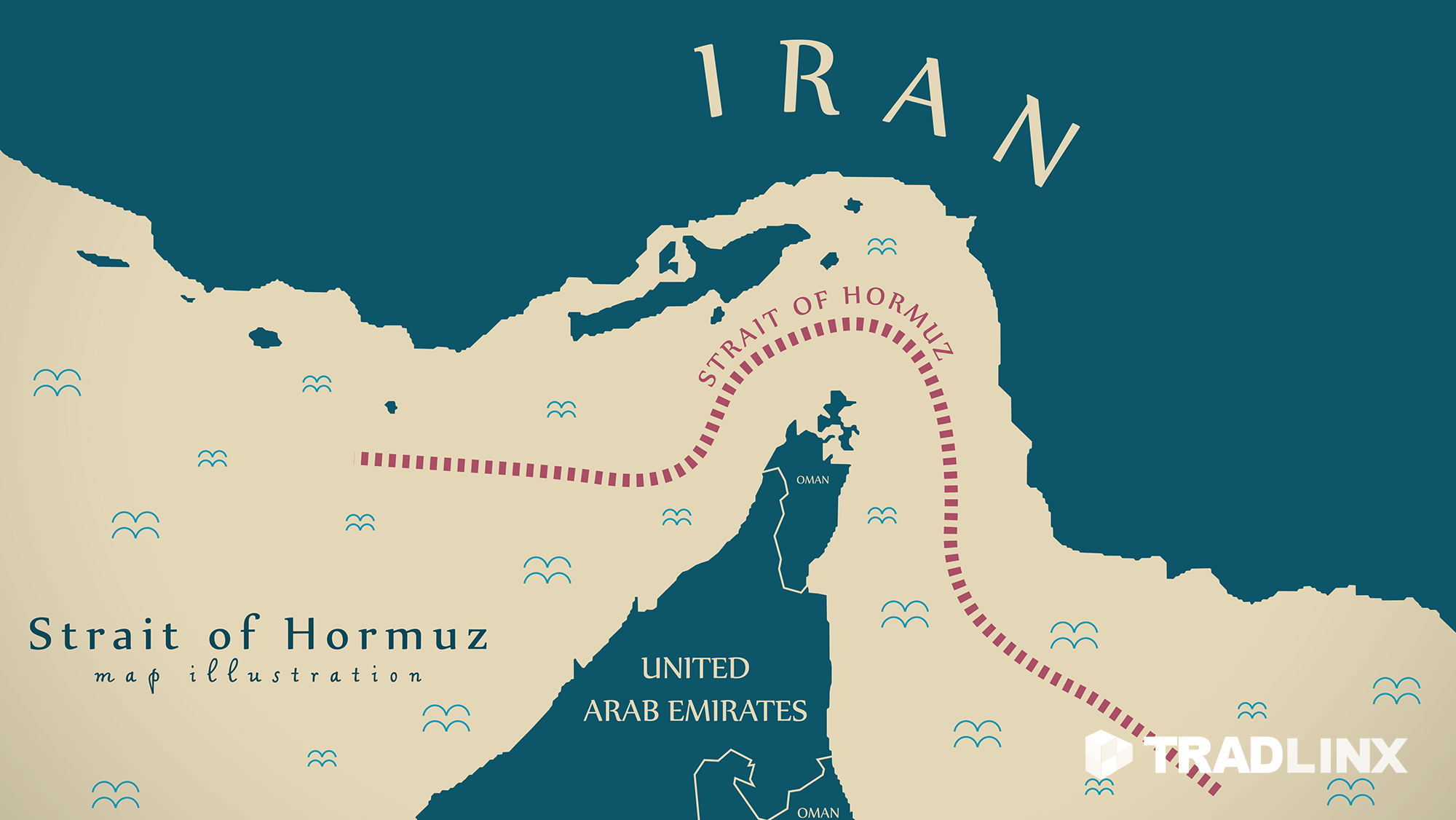
Let's look at the actual geography. The Strait of Hormuz is not a canal with a gate.
The strait is about 21 miles wide at its narrowest point. But the shipping lanes used by massive crude tankers are much narrower. We are talking about two mile-wide channels for inbound and outbound traffic, separated by a two-mile buffer zone.
The prevailing wisdom says Iran can just sink a few ships and close the road. That is a fundamental misunderstanding of maritime operations.
To actually block the strait, you would need to create a physical barrier of shipwrecks in deep water across a massive expanse. You cannot block Hormuz the way a stuck container ship blocked the Suez Canal. The Suez is a ditch. Hormuz is an ocean passage.
If Iran wants to stop traffic, it has to actively attack ships. It cannot passively block them. And that is where the competitor articles and mainstream pundits miss the entire point. The moment Iran actively and continuously attacks commercial shipping in the strait, it transitions from a regional bully to a target of a global coalition.
Iran Cannot Afford Its Own Threat
Here is the secret the regime in Tehran desperate hides: Iran needs the Strait of Hormuz open more than anyone else does.
Yes, they have pipelines that bypass the strait for some of their crude. But their entire economy is already on life support due to years of sanctions. They rely on the regular movement of goods and oil through those very waters to keep their government afloat.
If Iran triggers a hot war in the strait, three things happen immediately:
- Suicide by Insurance: Maritime insurance underwriters like Lloyd's of London will skyrocket war risk premiums to impossible levels. This will not just stop Western tankers; it will stop the shadow fleet of tankers that Iran uses to smuggle its own oil to buyers in Asia. Iran effectively sanctions itself.
- The Chinese Call: China is the primary buyer of Iranian oil. Beijing does not tolerate disruptions to its energy supply. The moment Iran legitimately threatens to choke off 20% of the world's oil, the pressure from Beijing on Tehran will be immense and non-negotiable. Iran cannot survive without China's economic lifeline.
- Military Decimation: The US Fifth Fleet, based just across the water in Bahrain, is not sitting there doing crossword puzzles. Iran knows its conventional navy would be eradicated in days. Their strategy relies on asymmetric warfare—fast attack boats, mines, and shore-based missiles. This is effective for harassment, not for sustained closure against a determined superpower.
So when Iran says the "gates of hell" will open, they are talking to their domestic base and trying to maintain leverage in a negotiation where they hold terrible cards. It is a bluff.
The Illusion of the 48-Hour Deadline
Now let's flip the script and look at the American side of this posturing.
Trump's 48-hour ultimatum is brilliant politics and terrible strategy. It projects strength and decisiveness to a public tired of endless diplomatic waffling. But anyone who has worked in military logistics or international law knows that 48 hours is a meaningless timeline for an operation of this scale.
What happens at hour 49?
If the goal is to forcibly reopen the strait, you cannot do it with a quick airstrike. Cleaving a path through minefields and neutralizing mobile shore-to-ship missile batteries takes time. It requires a massive assembly of minesweepers, aerial surveillance, and carrier strike groups.
Furthermore, you cannot force commercial shipping companies to sail into a war zone just because a president says the area is "open." Tanker captains and their corporate owners answer to their insurers, not to the White House. Until the risk premiums drop and the physical threat is demonstrably removed, the oil will not flow freely. That process takes weeks, not hours.
The ultimatum is not a military directive. It is a psychological tool designed to force Iran to make a mistake or to give the US a pretext for pre-planned escalations.
The Energy Market Has Changed
The biggest flaw in the doomsday narrative is the belief that a disruption in Hormuz carries the exact same weight it did in 1973 or even 2003. The global energy map has been redrawn, and the doomer analysts have not updated their software.
Let's look at the data.
- US Energy Independence: The United States is now the world's largest producer of crude oil. While the global market is interconnected and prices would spike, the physical shortage that crippled the US in the 1970s is structurally impossible today.
- Strategic Reserves: The US and its allies hold massive Strategic Petroleum Reserves. While they have been drawn down in recent years, they still exist precisely to blunt the impact of short-term supply disruptions.
- Alternative Routes: Saudi Arabia has the East-West Pipeline (Petroline), which can move millions of barrels per day from its eastern fields directly to the Red Sea, bypassing Hormuz entirely. The UAE has the Habshan-Fujairah pipeline, which moves oil directly to the Gulf of Oman, outside the strait.
Are these alternatives enough to replace all the oil flowing through Hormuz? No. A closure would still cause a massive, painful price shock. But it would not bring global civilization to a grinding halt. The system is more resilient than the headlines suggest.
How to Actually Read the Situation
Stop asking "Will Iran close the strait?" and "Will Trump attack?" Those are the wrong questions. They assume this is a game of checkers when it is actually a high-stakes poker game played with loaded dice.
The question you should be asking is: "What are both sides trying to extract from this crisis?"
Iran wants sanctions relief and recognition of its regional influence. They use the threat of Hormuz as their only real chip. They know they cannot use it without destroying themselves, so they must make the threat look as terrifying as possible.
The US administration wants to project dominance, deter regional aggression, and force Iran into a weaker negotiating position. Ultimatums are a way to accelerate the timeline and force Iran's hand before they can build more leverage.
If you are an investor, a business leader, or just a citizen trying to understand the world, do not trade on the headlines. Do not panic when oil spikes on a Monday after a spicy tweet or a fiery speech from a general in Tehran.
The downside to my view? If a rogue commander on either side miscalculates—if an Iranian missile battery fires without orders or a US vessel aggressively interprets its rules of engagement—the theater becomes real very quickly. Accidental escalation is the real threat here, not a calculated strategic decision to close the strait.
But as long as both sides retain control of their forces, this is a choreographed dance of intimidation.
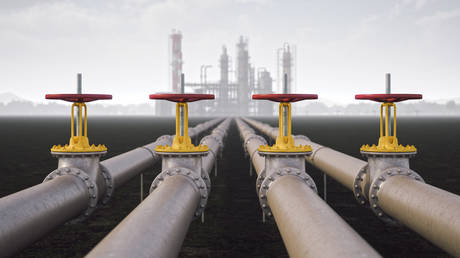
Stop falling for the theater. Look at the economics. Look at the logistics. Look at the pipelines.
The gates of hell are staying closed because neither side can afford the heating bill.