The threat of a nuclear disaster in the Middle East just moved from "theoretical" to "immediate." Iran's Foreign Minister recently sent a blunt warning to the United Nations about the Bushehr nuclear power plant. He didn't mince words. If those facilities get hit in an exchange of strikes, we aren't just looking at a regional war. We're looking at a catastrophic release of radiation that doesn't care about borders.
It’s easy to get lost in the back-and-forth of military posturing. But the Bushehr plant isn't just another target on a map. It’s a massive civilian infrastructure project sitting right on the coast of the Persian Gulf. Any strike on this facility creates a "serious risk of radioactive contamination" that could poison the water and the air for millions. Tehran is making it clear to the UN Security Council that targeting these sites violates every international norm we have left.
Why the Bushehr Plant Is a Red Line
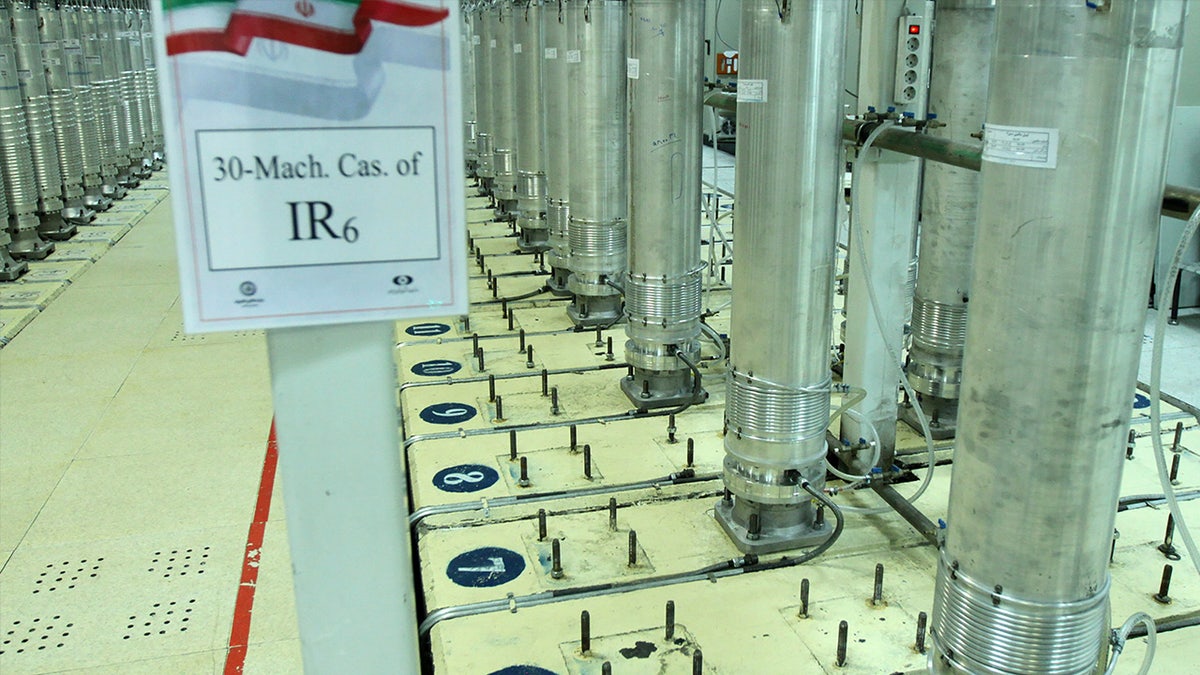
The Bushehr facility is unique. Unlike the enrichment sites at Natanz or Fordow, which are buried deep underground to hide from bombs, Bushehr is a visible, massive power-generating station. It uses Russian technology and light-water reactors. Because it’s a functional power plant, it holds a staggering amount of spent fuel and radioactive material.
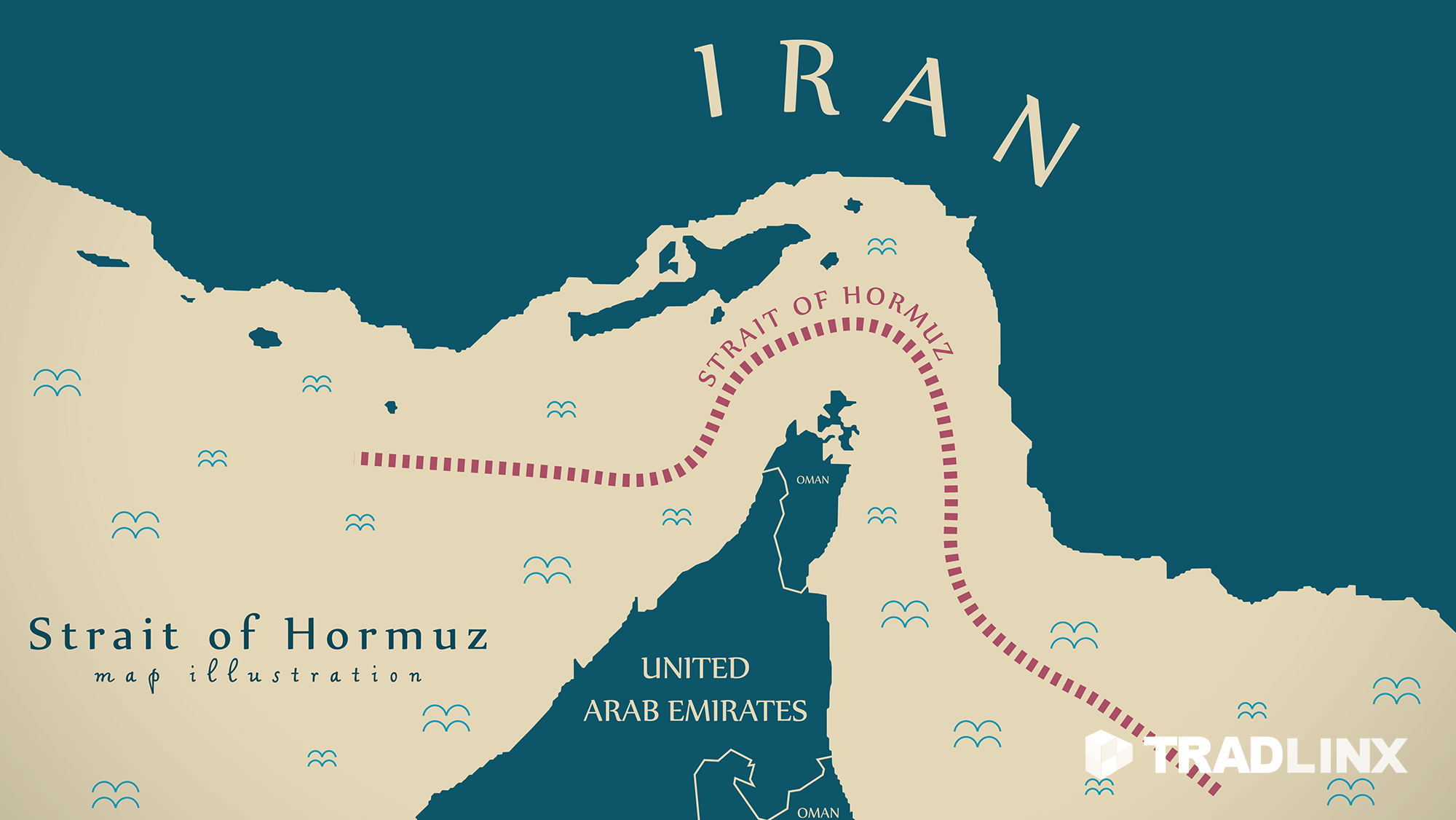
If a missile hits the containment structure or the cooling systems, the results would be nightmarish. I’m talking about a plume of radioactive isotopes like Iodine-131 and Cesium-137 drifting over the Gulf. This isn't just Iran's problem. Look at a map. The prevailing winds could carry that "invisible poison" straight toward Kuwait, Saudi Arabia, Qatar, and the UAE. These countries rely almost entirely on desalination plants for their drinking water. One radioactive leak turns the Persian Gulf into a dead zone and leaves millions of people without water in a matter of days.
The Legal Shield Iran Is Trying to Use
Iran’s letter to the UN isn’t just a cry for help. It’s a calculated legal move. They are citing IAEA Resolution GC(XXVII)/RES/407. This specific resolution basically says that any armed attack or threat against a nuclear facility "devoted to peaceful purposes" is a violation of the UN Charter.
By framing Bushehr as a purely civilian site, Iran is trying to force the international community to pick a side. They want the UN to acknowledge that striking a nuclear plant is essentially an act of radiological warfare. It’s a smart play. Even if you don’t trust Iran’s nuclear ambitions, you have to reckon with the physics of a meltdown. Physics doesn't have a political agenda.
What the Media Misses About Radioactive Fallout
Most news reports treat a strike on a nuclear site like a bigger version of a regular explosion. That’s wrong. It's fundamentally different. When you blow up a munitions dump, the damage stops where the fire ends. When you crack open a reactor, the damage begins when the fire starts.
The real danger is the "spent fuel pools." These are tanks where used nuclear fuel is kept cool. They are often less protected than the reactor core itself. If the water drains out because of an explosion, the fuel can catch fire. That sends a steady stream of radiation into the atmosphere for weeks. We saw the chaos of Chernobyl and Fukushima. Now imagine that happening in a region that's already a tinderbox of conflict.
The Regional Consequences of a Strike
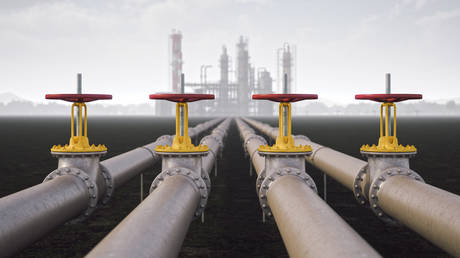
If Bushehr goes, the global economy takes a hit that makes the 1970s oil crisis look like a minor glitch. The Persian Gulf is the world's most vital energy artery. You can’t sail tankers through radioactive water. You can’t operate ports where the air is toxic.
- Water Security: As mentioned, the Gulf states live on desalinated water. A leak at Bushehr would force the immediate shutdown of plants across the coast. There is no Plan B for that many people.
- Mass Migration: We’re talking about the potential displacement of millions. Not just from Iran, but from neighboring states.
- Long-term Health: The spike in cancer rates and birth defects would last for generations.
Tehran knows this. By shouting about it at the UN, they’re telling the world that any attack on their soil that touches these sites will have consequences that every single person on the planet will feel at the gas pump and the grocery store.
International Hypocrisy or Legitimate Defense
There’s a lot of talk about "proportionality" in war. Is it proportional to cause a regional environmental collapse to stop a single country’s military goals? Most experts say no. But in the heat of a escalating conflict, "proportionality" usually gets tossed out the window first.
Iran's Foreign Ministry is playing on the world's fear. They are highlighting the fact that while the West worries about Iran getting a bomb, the West should also worry about what happens if the nuclear infrastructure Iran already has gets destroyed. It’s a grim irony. The very thing the world fears—nuclear material—becomes a suicide vest for the entire region if it’s attacked.
Practical Realities for the Near Future
We have to stop thinking of these threats as "unlikely." The rhetoric is heating up. We’ve seen "tit-for-tat" strikes become the new normal in the Middle East. If you live in the region or have interests there, you need to be watching the IAEA’s monitoring reports closely.
The UN usually responds to these letters with "deep concern" and very little action. But this time feels different because the stakes involve the literal habitability of the region. If the UN doesn't establish a firm "no-strike" zone for civilian nuclear infrastructure, they are basically green-lighting a disaster that will rewrite the history of the 21st century.
Governments in the Gulf are already quietly updating their emergency response plans. You should be paying attention to the wind patterns and the status of desalination infrastructure. If the smoke starts rising from Bushehr, the clock starts ticking for every city from Kuwait City to Muscat.
Keep an eye on the diplomatic cables coming out of Vienna and New York this week. The response—or lack thereof—from the major powers will tell you exactly how much they value environmental safety over military objectives. Expect more "condemnations" but very few actual guarantees. The world is sleepwalking toward a radiological nightmare, and Iran just rang the loudest alarm bell it has.
Pay attention to the specific language used by the UN in the coming days. If they don't explicitly mention the protection of civilian reactors, the risk level just doubled. Check your local news for updates on regional air quality monitoring and maritime shipping routes in the Strait of Hormuz. These will be the first indicators of how the global market is pricing in the risk of a nuclear accident.