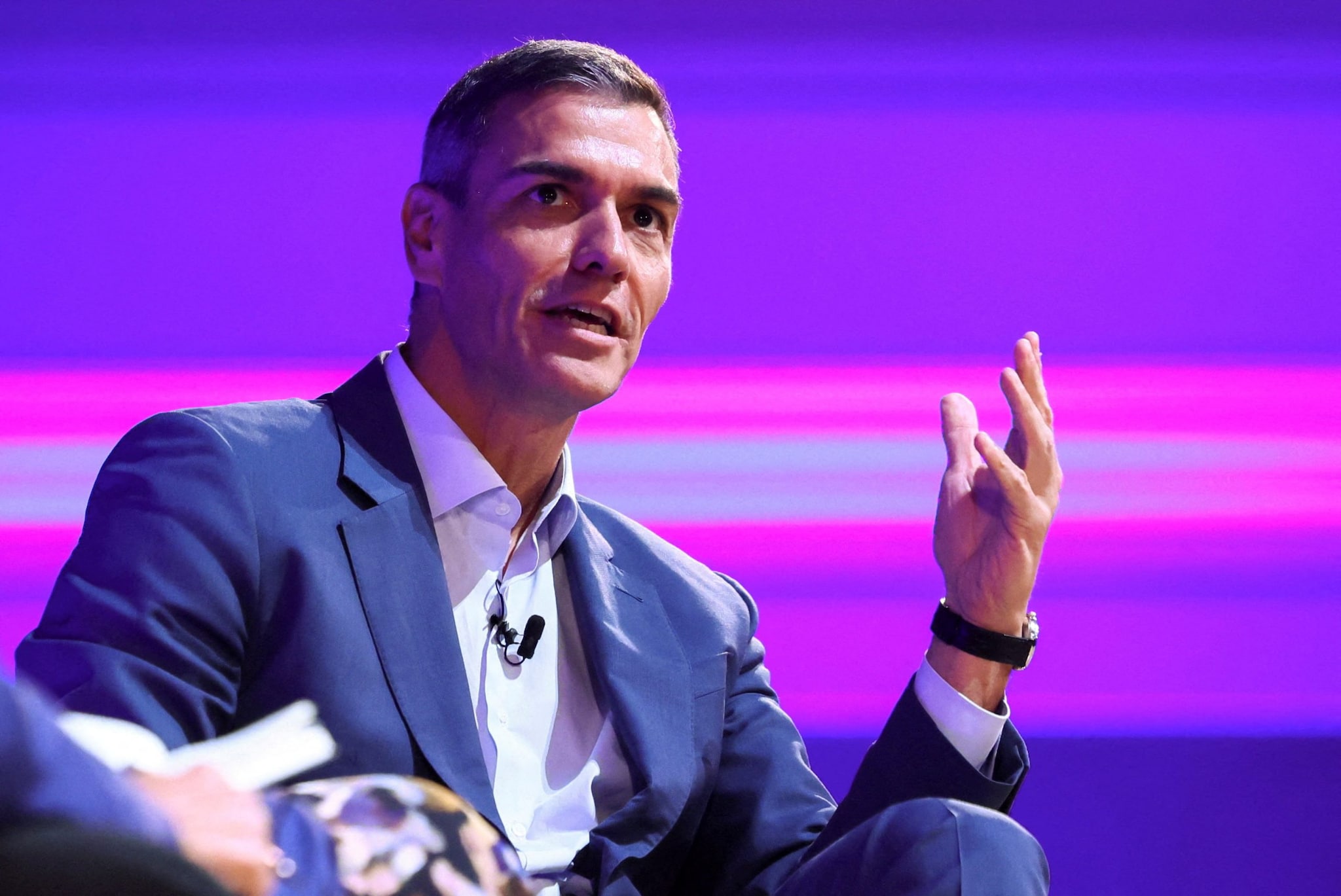
Spain just drew a line in the sand that most countries wouldn't dare touch. In the middle of an escalating military campaign against Iran, Prime Minister Pedro Sánchez has flatly told Donald Trump that Spanish soil—and Spanish bases—are off-limits. It's a move that's sent the White House into a tailspin, triggering a characteristic flurry of trade threats from the Oval Office.
But why would a mid-sized European power risk a full-blown economic war with the United States? The answer isn't just about pacifism. It’s about a deep-seated memory of past mistakes and a refusal to be "vassals" to a foreign power's whim. While the White House claims Madrid is "cooperating," the reality on the ground in Spain is a resounding "no."
The Base Dispute That Broke the Alliance
The friction centers on two critical military installations in southern Spain: Rota and Morón de la Frontera. Under a long-standing bilateral defense agreement, the U.S. shares these bases. However, that agreement isn't a blank check. Spain maintains ultimate command.
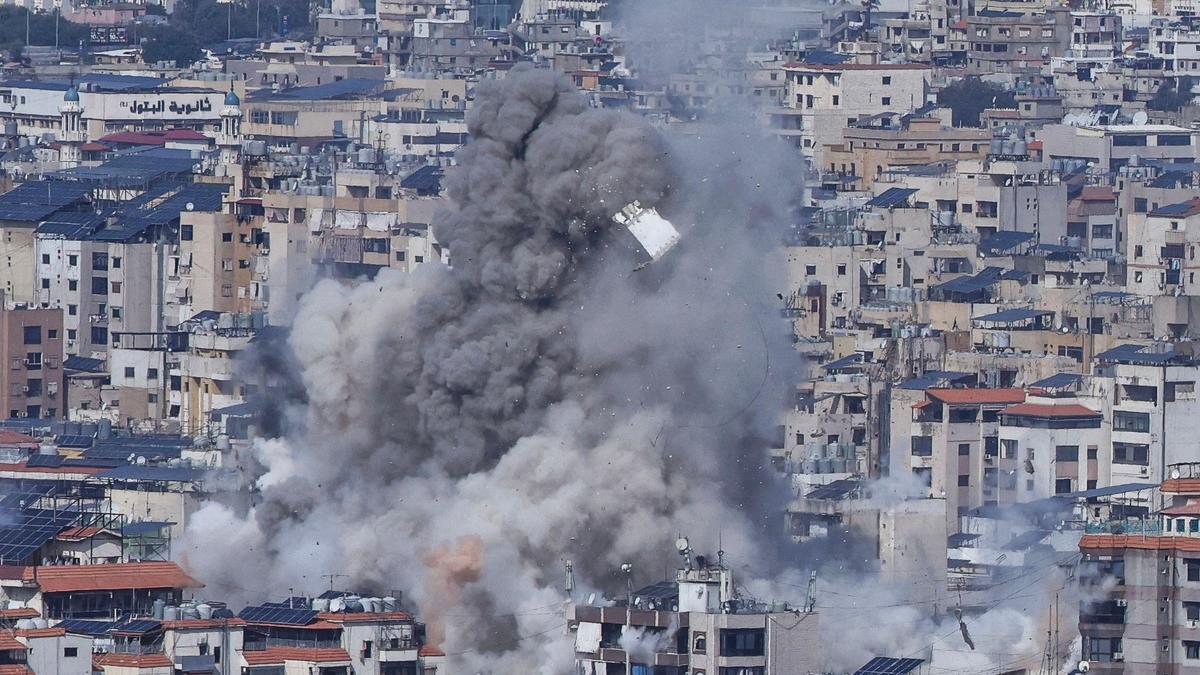
When the U.S. and Israel launched "Operation Epic Fury" against Iran earlier this week, the Pentagon expected to use these bases as a logistical springboard. They didn't get the green light. Spanish Foreign Minister José Manuel Albares didn't stutter when he said the offensive isn't covered by their treaty or the UN Charter.
In response, the U.S. had to relocate 15 aircraft, including vital refueling tankers, away from Rota. It's a massive logistical headache for the U.S. military. Trump, never one to take rejection lightly, responded by calling Spain a "terrible" ally and ordering Treasury Secretary Scott Bessent to "cut off all dealings" with the country.
Why Sánchez is Playing Russian Roulette
Sánchez is being accused of playing "Russian roulette" with his economy, but he’s flipped the script. He argues that it’s the war itself—not the refusal to join it—that is the real gamble. During a televised address on Wednesday, he was blunt. He compared the current situation to the 2003 Iraq War, calling it a disaster that unleashed a wave of insecurity across Europe.
He’s basically saying: "We've seen this movie before, and it ends poorly."
- International Law: Spain insists that any military action must have a clear UN mandate.
- Regional Stability: Madrid fears a total collapse of the Middle East will lead to another massive migration crisis in the Mediterranean.
- Sovereignty: The Spanish government is making it clear that they, not Washington, decide how Spanish territory is used.
Can Trump Actually Cut Off Trade With Spain?
Trump’s threat to "cut off all trade" sounds terrifying, but there’s a massive 27-nation roadblock in his way: the European Union.
Spain doesn't negotiate its own trade deals; the EU does. This means if Trump wants to slap a 100% tariff on Spanish olive oil or SEAT cars, he’s effectively attacking the entire European single market. You can't just sanction one room in a house without affecting the whole building.
Brussels has already circled the wagons. European Council President António Costa has pledged "full solidarity" with Madrid. The EU has a new "Anti-Coercion Instrument" designed specifically for this. If Trump follows through on his threat to punish Spain, the EU is legally bound to retaliate against U.S. goods. We aren't just talking about a spat between two leaders; we’re looking at the potential for the biggest trade war in history.
The Economic Reality for Spain
Spanish business groups like the CEOE are understandably nervous. The U.S. is a massive market for Spanish exports. But there’s a feeling in Madrid that the threat might be more bark than bite.
Last year, a report from Spain’s central bank suggested the country is actually more "cushioned" against U.S. tariffs than Germany or France. Spain’s economy is heavily service-based and driven by internal EU trade. While a trade freeze would hurt, it wouldn't be the death blow Trump thinks it is.
No To War Means Exactly That
The Spanish government’s position is summarized in four words: "No to the war."
It’s a slogan that carries immense weight in Spain, harking back to the massive protests against the Iraq War in 2003. Sánchez knows his base. He knows that most Spaniards have zero appetite for another Middle Eastern quagmire, especially one led by a U.S. administration they don't trust.
The White House tried a "fake it till you make it" strategy on Wednesday, with Press Secretary Karoline Leavitt claiming Spain had suddenly agreed to cooperate. Madrid's response was a swift and public debunking. They aren't budging.
If you're watching this unfold, don't expect a quiet resolution. This is a fundamental clash of worldviews. On one side, a "my way or the highway" approach to global security; on the other, a stubborn insistence on international law and European autonomy.
If you want to stay ahead of how this affects the global market, keep a close eye on the "Anti-Coercion" talk coming out of Brussels. That's where the real teeth are. For now, Spain is standing its ground, even if it means being the only one in the room saying "no."