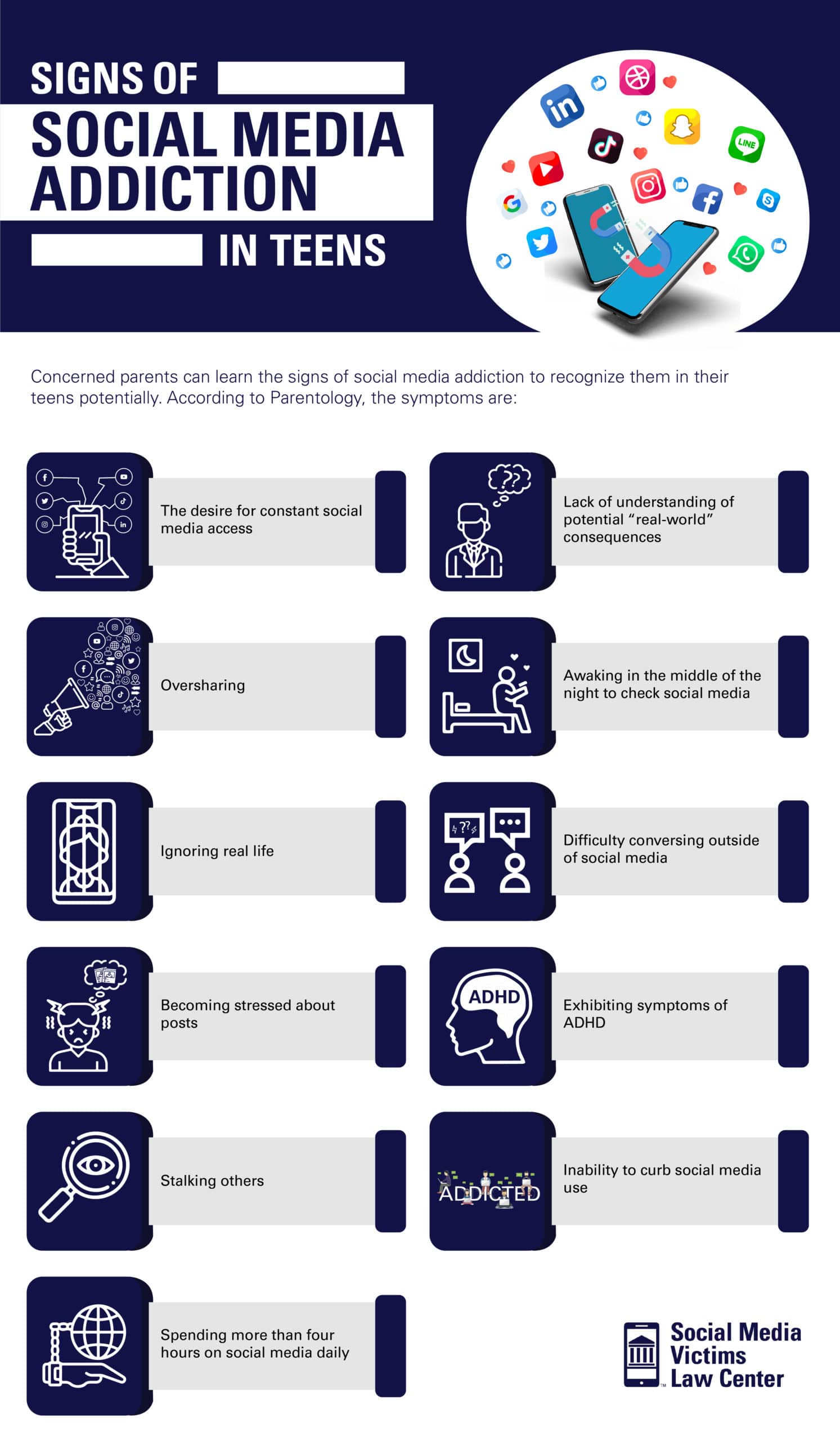
Tech giants just lost their suit of armor. For decades, companies like Meta and Google operated under the assumption they were untouchable, shielded by a 1996 law called Section 230 that basically said they weren't responsible for what people posted. But a Los Angeles jury just flipped the script. On March 25, 2026, they found Meta and Google-owned YouTube liable for the "defective design" of their apps, marking the first time a jury has held these platforms directly accountable for social media addiction.
This isn't just another legal headline. It's a fundamental shift in how we view the code that runs our lives. The case centered on a 20-year-old woman, Kaley G.M., who started using YouTube at age six and Instagram at nine. By the time she was a teenager, she was spiraling into depression and body dysmorphia. Her lawyers didn't go after the content she saw; they went after the features that kept her looking.
The Design is the Defect
You've felt it before. That mindless "infinite scroll" where you realize you've been flicking your thumb for 20 minutes and can't remember a single thing you watched. Or the autoplay that rolls into the next video before you can even reach for the remote. The jury decided these aren't just "features"—they're psychological traps.
The legal strategy here was brilliant. By focusing on the product design rather than the user content, the plaintiffs bypassed the usual Section 230 immunity. They argued that if a car has a faulty brake, the manufacturer is liable. If an app has a "faulty" engagement loop designed to exploit a child's developing brain, why should it be any different?
- Infinite Scroll: Designed to remove "stopping cues" that tell the brain it's time to move on.
- Push Notifications: Timed to hit when a user is most likely to crave a dopamine hit.
- Algorithms: Prioritizing high-arousal, often negative content to keep eyes on the screen.
The jury found both companies negligent. They didn't just fail to protect Kaley; they failed to warn her—and her parents—that the product was inherently addictive. Honestly, it's a bit like the early days of the Big Tobacco lawsuits. Everyone knew cigarettes were addictive, but the legal hammer didn't fall until it was proven that the companies knew it and pushed them anyway.
Internal Secrets and the $6 Million Slap
During the trial, the "smoking guns" came from inside the house. Internal documents showed that Meta and Google executives were well aware of how their platforms affected young users. Mark Zuckerberg even took the stand, facing questions about his decision to lift a ban on beauty filters despite internal warnings that they harmed the self-esteem of teen girls. His defense? He wanted to support "user expression."
The jury didn't buy it.
They awarded $6 million in total damages—$4.2 million from Meta and $1.8 million from Google. Now, $6 million is pocket change for companies that measure their quarterly spending in the hundreds of billions. Meta expects to spend up to $135 billion on capital expenditures in 2026 alone. But the dollar amount isn't the point. The liability is.
This verdict is a "bellwether." It’s a test case that sets the temperature for over 2,400 other lawsuits currently pending in a massive multidistrict litigation (MDL). If one jury in Los Angeles thinks these platforms are defective products, thousands of others might too.
Why This Matters to You Right Now
If you're a parent, or even just someone who feels like their phone has a physical grip on their brain, this ruling changes the conversation. For years, the narrative was that "bad parenting" or "lack of willpower" was the problem. We were told to just "set a timer" or "put the phone in another room."
This verdict says the burden isn't just on you. It's on the people building the machine.
We're already seeing the ripples. In December 2025, Australia passed laws requiring social media users to be at least 16. In the US, dozens of state attorneys general are teaming up to push for similar age verifications and design changes.
The era of "engagement at any cost" is hitting a wall. You should expect to see major changes in how these apps function over the next year:
- Death of the Infinite Scroll: Apps may be forced to include hard "breaks" or "end of feed" markers.
- Aggressive Age Verification: "Enter your birthdate" won't cut it anymore. Expect biometric or ID-based checks.
- Notification Limits: Default settings that turn off "non-essential" pings for minors.
Practical Steps to Take
Don't wait for a court order to change your relationship with these apps. If you're concerned about your own usage or your kid's, start moving now.
- Audit the "Cues": Go into your settings and turn off every notification that isn't from a real human being. If it's a "suggestion" or a "memory," kill it.
- Use Gray Scale: One of the most effective ways to make your phone less addictive is to strip the color. It makes the "reward" of looking at the screen significantly lower.
- Monitor the MDL: If you or a family member has suffered documented mental health issues linked to compulsive use, talk to a legal professional. The "KGM" verdict proves that the "design defect" argument has teeth.
The tech giants are already planning their appeals, and this legal battle will likely drag on for years. But the "invincibility" is gone. The curtain has been pulled back, and it turns out the "magic" of social media was just a very carefully engineered trap. Now that we know how the trap works, it's a lot easier to step around it.