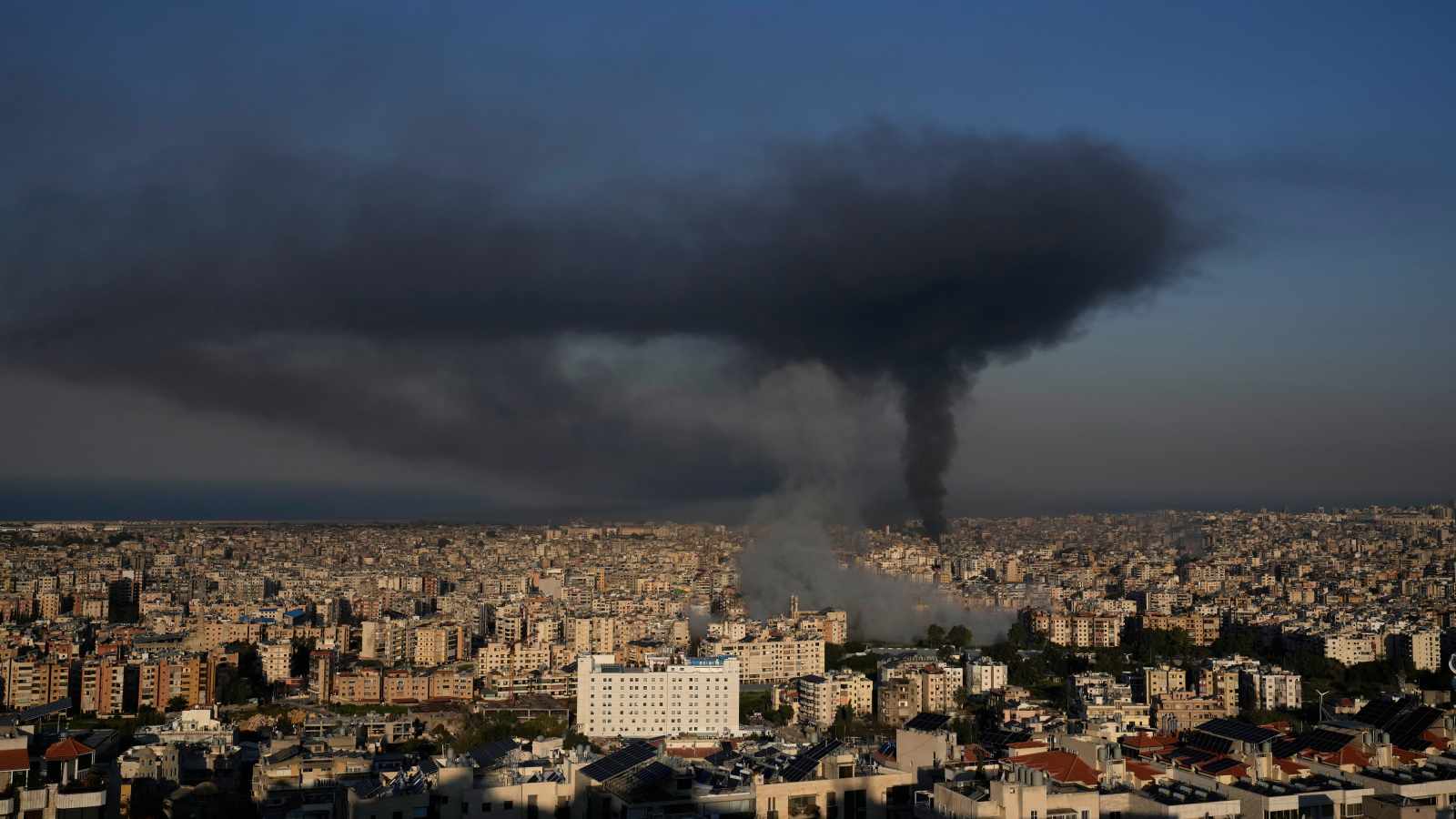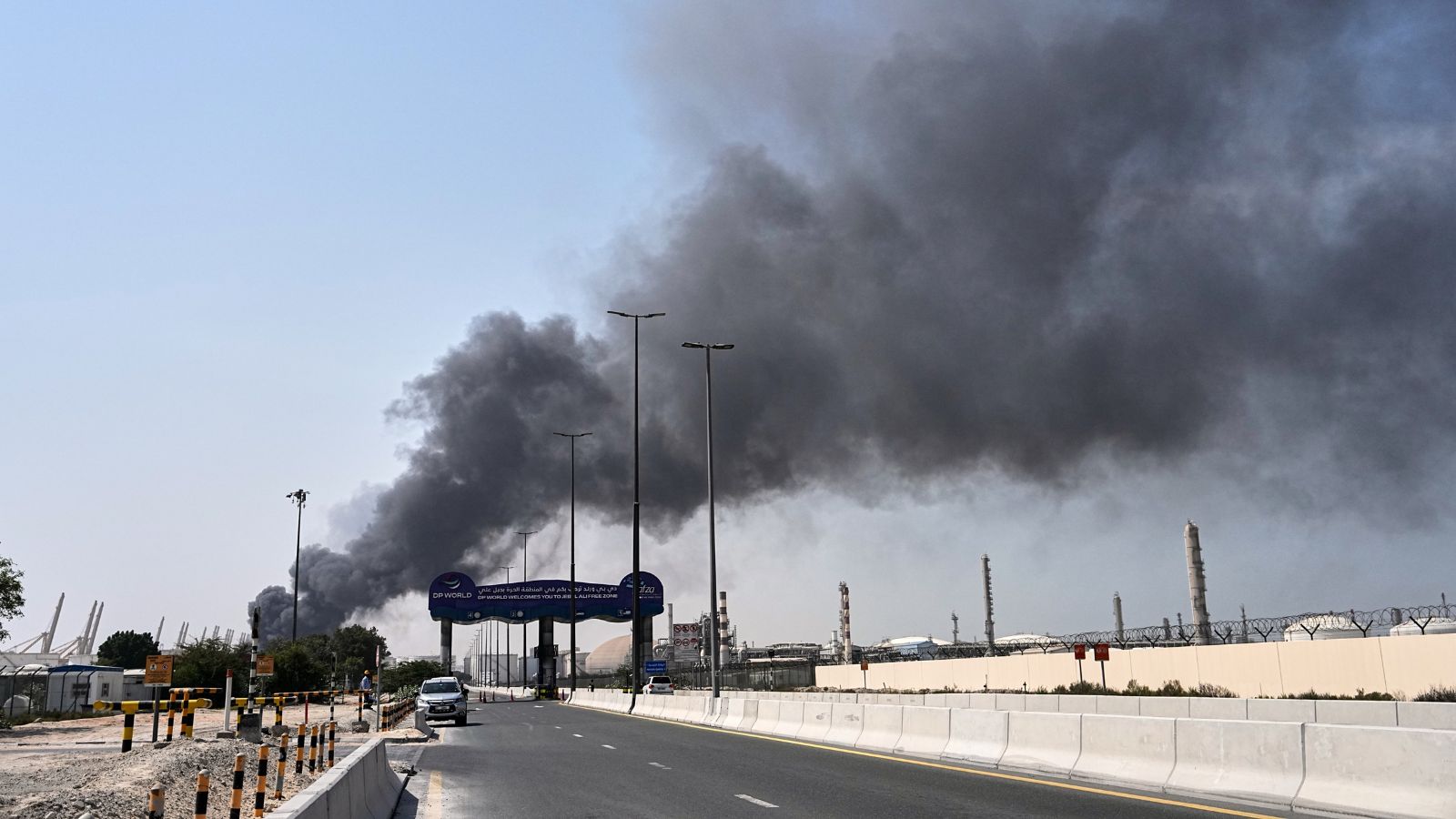
The hum of the air conditioner in a Kuwait City apartment used to be the only sound that mattered at 3:00 AM. It was a steady, rhythmic reassurance that the desert heat was being kept at bay. But lately, people are listening for something else. They are listening for a frequency that doesn't belong to the wind.
When a missile moves through the atmosphere, it doesn't just travel; it tears.
Kuwait has always been a geography of intersections. It is a place where the world’s thirst for energy meets the ancient silence of the sands. But as the Middle East finds itself gripped by a sprawling, multi-front escalation, this small, prosperous nation is rediscovering what it means to be a buffer zone. The news reports talk about logistics. They talk about "intercepts" and "de-confliction."
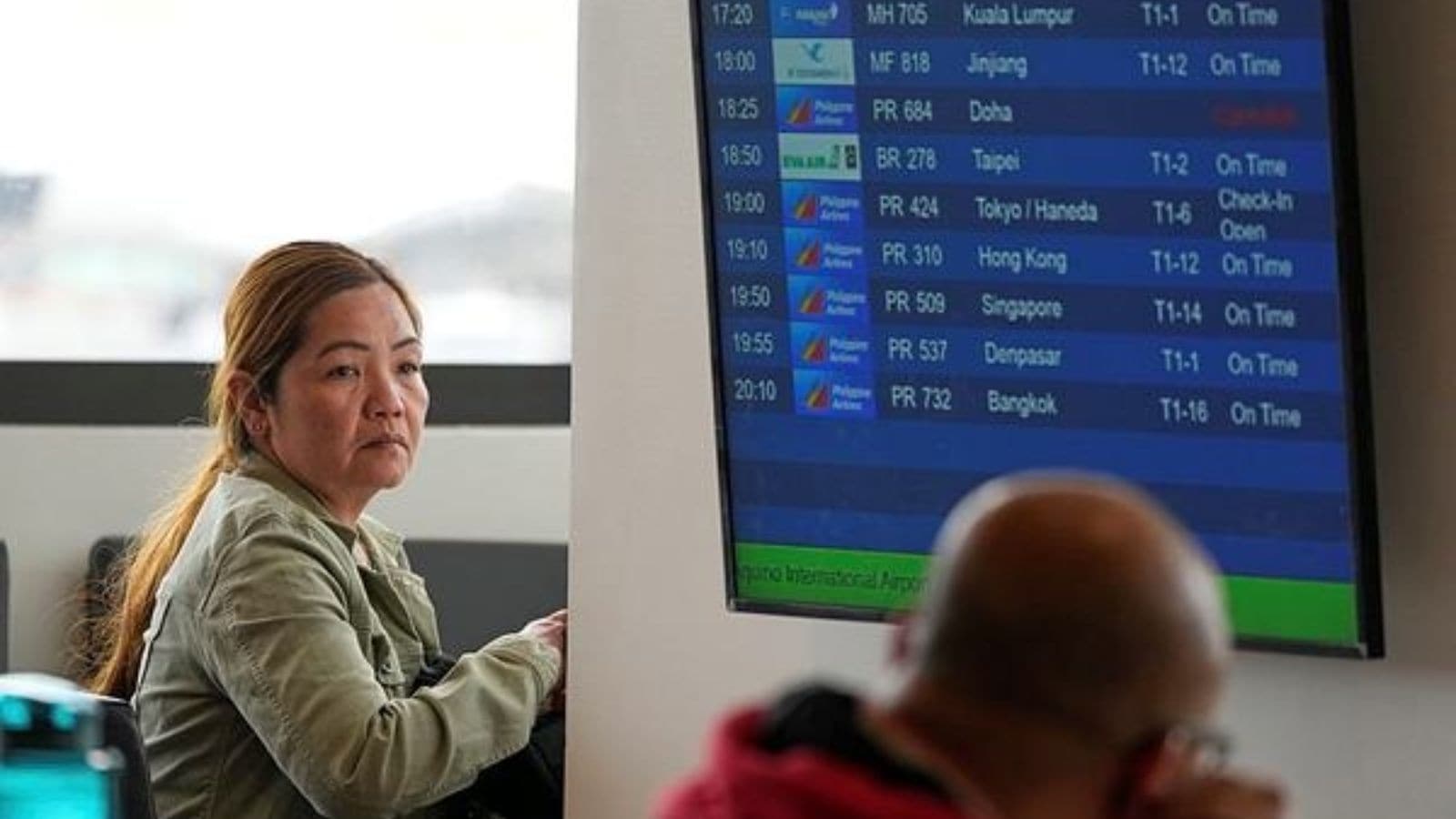
They rarely talk about the person sitting in Terminal 4 of Kuwait International Airport, staring at a departure board that has just turned into a wall of red "Cancelled" text.
The Invisible Ceiling
For decades, we treated the sky as a void—a highway with infinite lanes. We assumed that if you bought a ticket in London or Manila, the path to Kuwait was a straight line across a map. That assumption has evaporated.
The current crisis has turned the airspace over the Northern Gulf into a complex puzzle of shifting "No-Go" zones. When regional tensions flare into active missile exchanges, the sky becomes a barricade. It isn't just about the physical danger of a stray projectile; it is about the paralyzing caution required to keep civilian lives out of the crossfire.
Consider a flight crew redirected mid-air. Imagine the captain of a long-haul flight from Europe, suddenly informed that the corridor over the Iraq-Kuwait border is "active." This isn't a metaphor for a busy day. It means the air is occupied by hardware designed for destruction. The pilot must calculate fuel reserves, identify alternate hubs in Dubai or Doha, and manage the rising anxiety of three hundred passengers who can see the jagged maneuvers on their seatback GPS screens.
This is the hidden tax of regional instability. It is measured in burned jet fuel, lost hours, and the quiet, gnawing realization that your safety is dependent on a split-second decision made by a radar operator hundreds of miles away.
The Weight of the Metal
The headlines recently flickered with reports of U.S. jets being grounded or redirected within the region. In Kuwait, which hosts significant Western military infrastructure at bases like Ali Al Salem and Arifjan, the presence of silver-winged fighters is not new. What has changed is the frequency of their heartbeat.
When we hear that "assets have been moved," we should visualize the frantic choreography on the tarmac. Mechanics working under the brutal sun, the smell of JP-8 fuel thick enough to taste, and the heavy silence of a pilot pre-breathing oxygen before a sortie. These movements are signals. They are a language of deterrence, spoken in the roar of afterburners.
But for the residents of Kuwait, these sounds are a reminder of 1990.
History is a physical weight here. For the generation that remembers the black smoke of burning oil wells, the sound of a jet engine isn't just travel—it’s a memory. Every time a regional actor launches a drone or a ballistic missile, those memories vibrate. The stakes aren't abstract geopolitical points. The stakes are the windows of a home in Jahra or the security of a power plant that keeps the desalinated water flowing.
The Anatomy of a Disruption
Why does a missile launch in a neighboring country stop a businessman from making a meeting in Kuwait City?
The answer lies in the fragility of global systems. The aviation industry operates on margins thinner than a sheet of paper. When Kuwait’s airspace becomes a "caution zone," insurance premiums for airlines skyrocket. Some carriers simply decide the math doesn't work. They pull out, leaving Kuwait as a temporary island.
This creates a localized ripple effect.
- Supply chains for perishable medicines are delayed.
- Expatriate workers, who make up the backbone of the economy, find themselves unable to reach dying relatives or celebrate weddings.
- The price of basic goods creeps upward as air freight becomes a luxury.
We often view these events through the lens of "security," but the reality is much more intimate. It is the frustration of a student whose semester abroad is canceled because the flights stopped. It is the fear of a small business owner whose inventory is sitting in a warehouse in a city that is currently under a "Red Alert."
The Hypothetical Watchman
Let’s look at this through the eyes of someone we’ll call Omar.
Omar works in logistics at the port. He is an expert in moving crates, in the poetry of cranes and shipping manifests. For years, his job was predictable. Now, his phone is a constant stream of alerts. He spends his nights tracking maritime warnings and NOTAMs (Notices to Air Missions).
One evening, Omar sits on the Corniche, watching the lights of the city reflect off the Persian Gulf. To his left, the iconic Kuwait Towers stand as a symbol of modernity. To his right, the dark expanse of the sea leads toward some of the most contested waters on Earth.
He knows that if a drone is intercepted over the border, his entire week’s schedule will dissolve. He’ll have to reroute trucks, renegotiate contracts, and explain to his children why they aren't going on their planned trip to see their cousins. Omar represents the millions of people who live in the "middle." They are not the ones firing the missiles, and they are not the ones making the speeches in the UN. They are the ones who have to rebuild the normalcy that the crisis constantly erodes.
The Logic of the Intercept
When the news mentions a "successful intercept," it sounds clean. It sounds like a video game.
The reality is a violent collision in the upper atmosphere. Debris has to go somewhere. The physics of defense are messy. When a Patriot battery or a sea-based interceptor meets a threat, the resulting shower of metal is a reminder that even "safety" has a cost.
Kuwait’s defense posture is an incredible feat of engineering, but it is also a confession. It is a confession that the neighborhood is volatile. The presence of these systems—and the U.S. jets that support them—is a blanket that is both warm and incredibly heavy.
We must ask: What happens to the psyche of a nation when its safety is defined by how many objects it can knock out of the sky?
The tension doesn't just stay in the air. It seeps into the soil. It changes how people invest their money, how they plan their futures, and how they look at the horizon. The "flight disruptions" mentioned in the briefings are just the surface. Underneath is a deep, quiet shift in how an entire population perceives its place in the world.
The Geometry of the Crisis
There is a terrifying geometry to what is happening now.
If you draw a line from the launch sites in the north to the targets in the south, Kuwait often sits directly under the arc. It is the unintended spectator. In previous decades, conflict was often contained. Today, with long-range precision strikes and autonomous drones, the "battlefield" is everywhere and nowhere.
A drone doesn't need a runway. It doesn't need a pilot’s courage. It only needs coordinates.
This democratization of destruction means that Kuwaiti authorities must be "right" 100% of the time. The adversary only has to be lucky once. This asymmetry is what drives the current atmosphere of high-alert. It explains why a single suspicious radar blip can shut down one of the busiest regional airports for hours. It isn't paranoia. It’s the only logical response to a world where the distance between "peace" and "impact" has shrunk to a few minutes of flight time.
The Human Cost of High Alert
Living on high alert is exhausting.
It manifests in small ways. A sudden loud noise in a shopping mall causes a second of total, breathless silence. People check the news before they check the weather. The "crisis" ceases to be a headline and becomes a background radiation—always present, slightly sickening, and impossible to ignore.
The world looks at Kuwait and sees an oil giant. It sees a strategic ally. It sees a dot on a map of the Middle East. But if you walk through the Mubarakiya Souq, you see something else. You see a people who have mastered the art of resilience, yet are tired of having to prove it. They want the sky to be just the sky again. They want the hum of the air conditioner to be the only thing they hear in the middle of the night.
The jets are still flying. The missiles are still being tracked. The departure boards still flicker with the uncertainty of a region on the brink.
We are told that these are the "facts" of the situation. But the real truth isn't found in the trajectory of a missile or the tail number of a fighter jet. The truth is found in the eyes of a father at the airport, holding his daughter’s hand, waiting for a flight that might never come, staring at a blue sky that looks peaceful but feels like a threat.
The silence of a grounded plane is the loudest sound in the world.