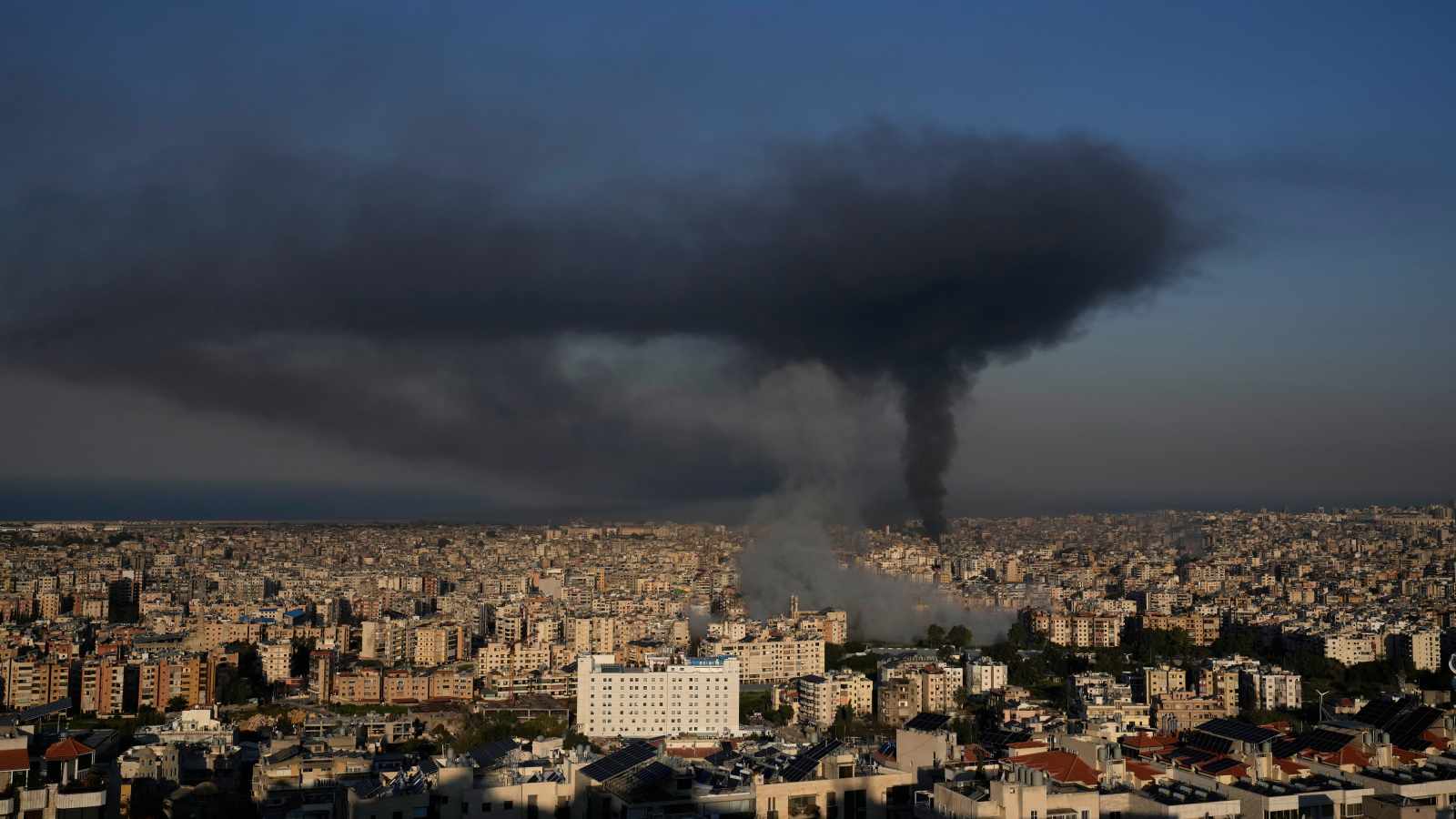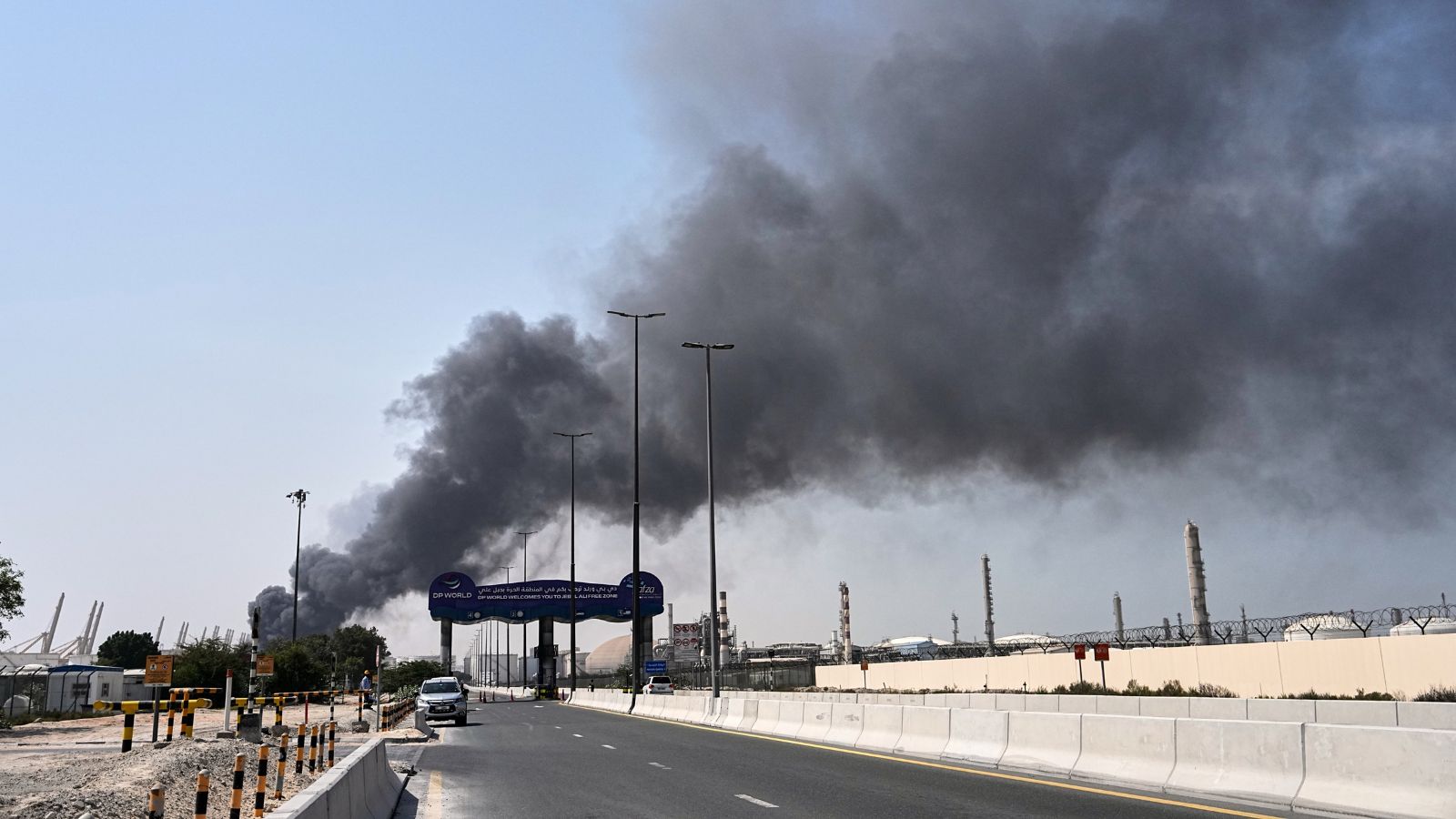
The media is obsessed with the smoke. They see a charred roof at the Natanz enrichment plant, read an IAEA report about "structural damage," and immediately start drafting the obituary for Iran’s nuclear ambitions. It’s a comfortable narrative. It suggests that a few well-placed kinetic or cyber strikes can indefinitely stall a nation's scientific trajectory.
They are wrong.
In the world of high-stakes nuclear counter-proliferation, physical damage is often the least interesting part of the story. If you’re looking at a hole in a building, you’re looking at exactly what they want you to see. While the IAEA catalogs broken centrifuges and scorched concrete, the real shift isn't happening in the workshops we can see from a satellite—it’s happening in the "invisible" layers of hardening, decentralization, and intellectual redundancy.
The Myth of the "Setback"
The standard reporting on the Natanz facility assumes a linear relationship between infrastructure and progress. The logic goes: destroy $X$ number of IR-4 or IR-6 centrifuges, and you delay the "breakout time" by $Y$ months. This is a spreadsheet fantasy that ignores how modern rogue programs actually operate.
When a facility like Natanz takes a hit, it doesn't just rebuild. It evolves. I’ve watched defense analysts make this mistake for decades—treating a nuclear program like a static factory rather than a biological organism. Every strike provides the Iranian Atomic Energy Organization (AEOI) with a high-fidelity stress test of their security protocols and their recovery speed.
If you break a machine, they build a better one. If you blow up a hall, they move the next one deeper underground. The "damage" the IAEA is reporting is actually a catalyst for the Fordow-ization of the entire Iranian complex—moving critical assets so deep into the mountains that conventional bunker-busters become expensive toothpicks.
Why the IAEA is Always the Last to Know
The International Atomic Energy Agency is a bureaucratic entity governed by protocols, not a frontline intelligence agency. Their reports are, by design, historical documents. By the time an IAEA inspector verifies that a hall at Natanz is out of commission, the engineers have likely already shifted the workload to clandestine pilot plants or hardened sub-levels.
The "lazy consensus" hinges on the idea that Natanz is the heart of the program.
It isn’t. It’s the lightning rod.
By keeping Natanz as the focal point of international scrutiny and sabotage, Iran creates a predictable theater of conflict. They know we are watching it. They know we will try to break it. And while the world cheers for a successful cyber-attack on a known facility, the real R&D—the stuff that actually moves the needle on weaponization—happens in nondescript labs in Tehran or mobile units that don't show up on a thermal scan.
The Sabotage Paradox
There is a counter-intuitive reality to nuclear sabotage: it often accelerates the professionalization of the target.
- Hardening the Supply Chain: Early sabotage efforts often relied on "tainted" components sold through front companies. Result? Iran developed a massive, domestic high-tech manufacturing base to bypass foreign suppliers.
- Cyber Resilience: After Stuxnet, Iran didn't just patch their PLCs. They built a localized, air-gapped cyber-defense infrastructure that is now significantly harder to penetrate.
- Human Capital: You can’t "assassinate" or "explode" knowledge. The expertise required to enrich uranium to 60% is now baked into the Iranian scientific community. Physical damage to a building in Natanz does zero to erase the mathematical models and enrichment physics stored in the minds of a thousand engineers.
Imagine a scenario where a tech company's headquarters burns down. Does the company's proprietary code disappear? No. It’s on the cloud. It’s in the heads of the devs. It’s on remote servers. A nuclear program in 2026 is no different. It is a distributed network, not a single point of failure.
The Failure of Kinetic Thinking
We are still using 20th-century metrics to measure a 21st-century problem. The "structural damage" reported by the IAEA is a distraction from the real metric: The Enrichment Floor.
Once a country masters the centrifuge cascade, the physical location of those cascades becomes secondary. The IR-6 centrifuge—the current workhorse—is significantly more efficient than the old IR-1 models. This means they need fewer machines to achieve the same output. Fewer machines mean a smaller footprint. A smaller footprint means the entire operation can be hidden in a space no larger than a suburban shopping mall.
If you are tracking the "damage" at Natanz, you are tracking the past. The real story is the transition from "Big Nuclear" (massive, visible plants) to "Micro Nuclear" (distributed, hidden, and highly mobile enrichment).
The Diplomacy of Debris
There is a cynical layer to these damage reports that the mainstream press refuses to touch. The IAEA reports are often used as leverage by all sides.
- For Iran: The damage allows them to play the victim on the international stage, justifying their "need" to ramp up enrichment as a defensive response to "nuclear terrorism."
- For the West: It provides a temporary political "win" to satisfy hawks back home, regardless of whether it actually stops the clock.
- For the IAEA: It justifies their continued relevance in a world where their access is being systematically stripped away.
The truth is that Natanz could be leveled tomorrow, and the path to a device would remain fundamentally unchanged. The science is out of the bottle.
Stop Asking if it’s Broken
The question everyone asks is: "How much did this strike hurt the program?"
The question they should be asking is: "Where did the engineers go the day after the blast?"
If you follow the concrete, you find Natanz. If you follow the data, you find the real program. We are currently winning the battle of the concrete and losing the battle of the data.
Every time a headline screams about "damaged buildings," it’s a victory for the Iranian strategy of concealment. They will give you the building. They will let you take the pictures. They will let the IAEA write their sternly worded reports about broken windows and scorched walls.
And while you’re busy counting the bricks, they’re finishing the calculations for the core.
Get your eyes off the satellite imagery of the desert. The "damage" at Natanz is a cheap price to pay for the world's distracted gaze. Stop measuring success by the amount of rubble on the ground.
Stop looking at the smoke. Look at the silence elsewhere.