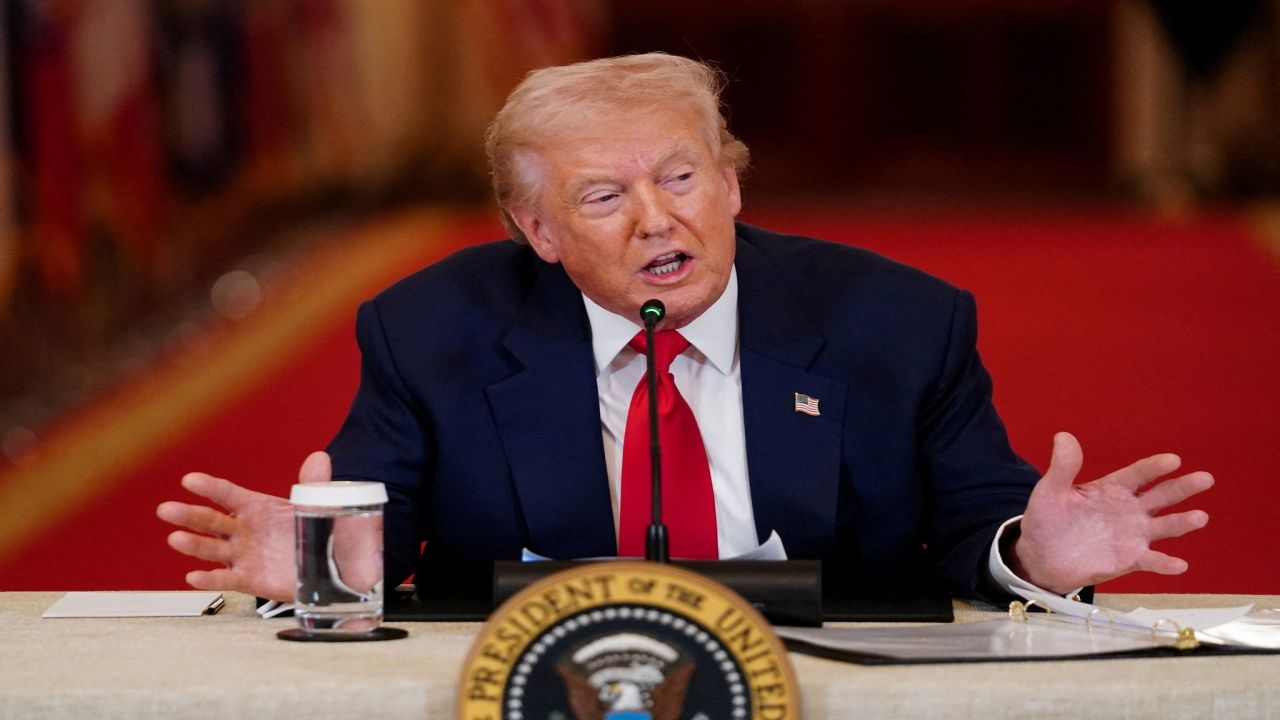
"Weeks, not months."
It is the oldest lie in the history of statecraft. It is the sedative the Pentagon and the State Department inject into the public consciousness whenever they need to justify a new round of kinetic operations without triggering the "forever war" alarm bells. If you believe the recent headlines suggesting that the current Middle East escalation is nearing a tidy, scheduled conclusion, you aren't just optimistic. You are ignoring how modern military logic actually functions.
The "weeks, not months" narrative relies on a fundamental misunderstanding of what victory looks like in 2026. We are no longer in an era of signed treaties and clear-cut surrenders. We are in the era of the "infinite simmer."
The Fallacy of the Finite Timeline
Western military planners love calendars. They use them to sell interventions to taxpayers who are weary of 20-year occupations. But the reality on the ground in the Middle East does not respond to a Gregorian schedule. When an official tells you a conflict will end in weeks, they are talking about the high-intensity phase, not the war itself.
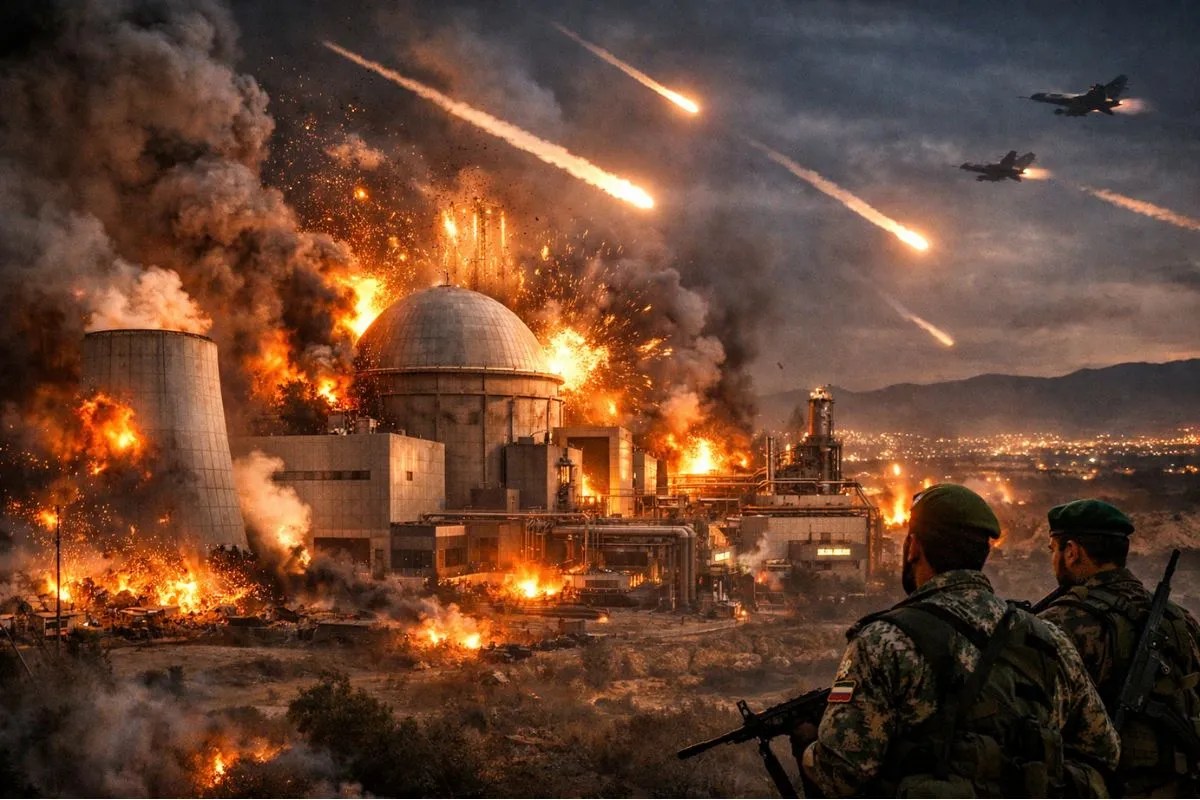
They want you to focus on the flashy airstrikes and the carrier group movements. Those do end quickly because they are expensive and logistically draining. What follows isn't peace. It is a transition to "gray zone" warfare—drone strikes, intelligence-led raids, and proxy skirmishes that last for years. By framing the conflict as a "short-term operation," the establishment successfully hides the long-term commitment.
I have watched this cycle play out from the inside of policy rooms for over a decade. The mission "ends" on paper, the flags are lowered, and then we spend the next five years "advising and assisting" while the body count continues to climb under a different budget line.
Why Airstrikes Fail to Settle Scores
The competitor's piece suggests that the sheer volume of ordinance being dropped will force a diplomatic pivot. This is a nineteenth-century solution to a twenty-first-century problem.
Kinetic force is a blunt instrument. It is excellent at breaking things; it is terrible at changing minds. In the current geopolitical climate, every strike serves as a recruitment tool for the very entities we are trying to suppress. Logic dictates that if you blow up a command center, you degrade an enemy's capability. But in decentralized insurgencies, capability is fluid.
The Attrition Trap
- Decentralized Command: Modern militias do not have a single "brain" you can kill. They are networks. You can't decapitate a hydra.
- Asymmetric Costs: A single Tomahawk missile costs roughly $2 million. The drone or mortar it destroys costs $500. We are bankrupting our future to fight a present that regenerates itself every Friday at prayers.
- Political Resilience: External pressure often strengthens a regime's domestic grip. It allows them to point to a foreign "aggressor" to distract from their own economic failures.
If the goal is stability, airstrikes are the least effective way to achieve it. They are the geopolitical equivalent of trying to perform brain surgery with a sledgehammer.
The Economic Reality of Permanent Tensions
Follow the money. Peace is a disaster for the defense industrial complex.
When a conflict is "ending in weeks," it triggers a massive surge in procurement. Contracts are fast-tracked. Stockpiles are depleted and must be replenished. The rhetoric of a "short, sharp conflict" provides the political cover necessary to approve massive spending bills without the oversight required for a long-term deployment.
Look at the stock tickers of the major defense contractors the moment a "short-term" intervention is announced. They don't react as if the business is ending; they react as if a new market has just opened. The volatility in the Middle East is not a bug in the global system; for many stakeholders, it is a feature. It keeps oil prices predictable (if high) and keeps the R&D budgets flowing.
The Diplomacy of Deception
We are told that military pressure creates the "space" for diplomacy. In reality, military pressure often makes diplomacy impossible.
When you set a public deadline of "weeks," you signal to your adversary exactly how long they need to hold their breath. If an insurgent group knows the U.S. is looking for an exit in forty-five days, they don't negotiate. They hide. They wait for the "weeks" to pass, knowing that the political will to stay is paper-thin.
True diplomacy requires a "credible threat of indefinite presence." By promising an end-date to satisfy a domestic news cycle, the administration strips its diplomats of their only real leverage. You cannot bargain when your opponent knows you already have one foot out the door.
The Missing Nuance: Proxy Evolution
The biggest mistake the "weeks, not months" crowd makes is treating Middle Eastern actors as static. They aren't. They have spent forty years learning how to fight the U.S. way of war.
They know our weaknesses:
- Our reliance on high-tech sensors.
- Our allergy to casualties.
- Our obsession with "exit strategies."
They have pivoted to a model of warfare that is designed to be "un-finishable." They don't try to win; they just try to not lose. As long as they exist, we haven't won. And since they are embedded in the local population, they will always exist.
Stop Asking "When Will It End?"
The question itself is flawed. It assumes that "war" and "peace" are two different states of being. In the modern Middle East, they are a blurred spectrum.
We are currently in a state of Persistent Engagement. The airstrikes will stop. The headlines will move on to the next election or a celebrity scandal. But the special forces will remain. The drones will keep circling. The funding will keep flowing.
If you want the truth, stop looking at the calendars provided by press secretaries. Look at the logistics. Look at the permanent bases. Look at the deep-water ports. We aren't leaving in weeks. We aren't leaving in months. We are rearranging the furniture in a house we intend to occupy forever.
The "weeks, not months" claim isn't a forecast. It's a marketing campaign for a product that never gets delivered. The sooner we admit that there is no "off" switch for Middle Eastern intervention, the sooner we can have an honest conversation about whether the cost is worth the nonexistent reward.
Stop waiting for the "end" of the war. It ended years ago, and it began again this morning. It is a cycle, not a timeline.
The only way to truly end a war in weeks is to never start it. Once the first button is pushed, the calendar belongs to the chaos, not the Commander-in-Chief.
Buy the defense stocks or buy the bunker, but don't buy the lie.