Panic is a product. The security industry sells it by the gallon, and the federal government has historically been its best distributor. When the White House pulls back a security bulletin regarding Iran-linked threats, the knee-jerk reaction from the "intel community" and the beltway media is to cry foul. They claim we are flying blind. They claim transparency is being sacrificed for diplomacy.
They are wrong.
The obsession with public-facing threat bulletins is a vestige of a pre-sophisticated digital era. It treats the American public and private sector like children who need a nightlight to feel safe. In reality, these bulletins often do more to assist the adversary than they do to protect the target. By halting the noise, the administration isn't hiding the truth—it is finally acknowledging that the signal-to-noise ratio in cyber intelligence has hit a breaking point.
The Intelligence Loophole You Are Funding
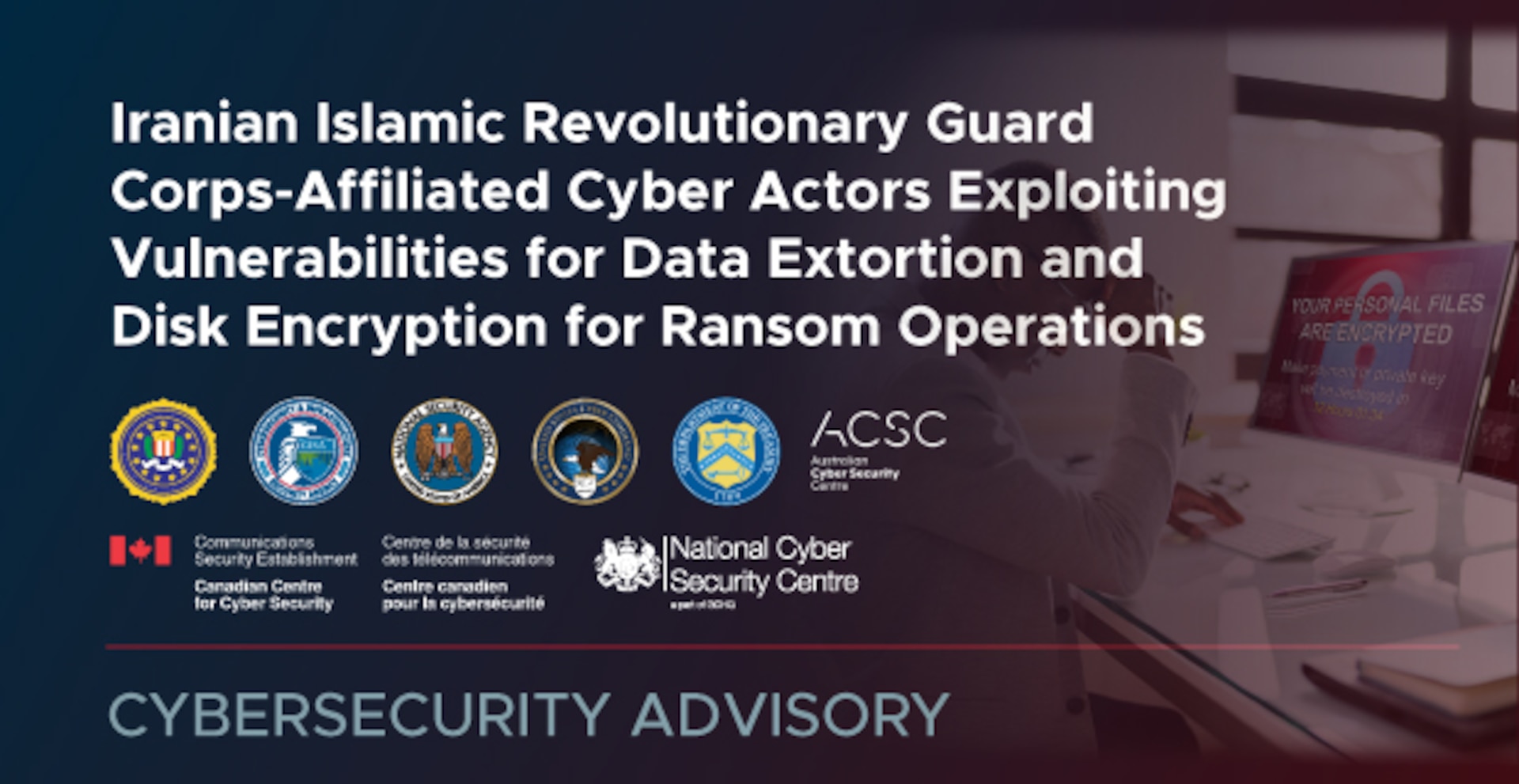
Every time a government agency releases a detailed "warning" about Iranian TTPs (Tactics, Techniques, and Procedures), they aren't just informing a local water utility in Ohio. They are providing a free QA session for the Islamic Revolutionary Guard Corps (IRGC).
I have sat in rooms where "actionable intelligence" was treated like a press release. Here is the reality: the moment you tell the world exactly how you caught a threat actor, that actor changes their signature. You’ve just burned a multi-million dollar collection capability for a forty-eight-hour news cycle.
- Adversarial Adaptation: When we announce we’ve detected a specific strain of Iranian malware, the developers in Tehran don't quit. They iterate. They obfuscate.
- The Compliance Trap: Companies see a bulletin and check a single box. "Are we patched against this specific Iranian CVE?" If the answer is yes, they stop looking. This creates a false sense of security that actually increases vulnerability to the next pivot.
- Political Theater: Most bulletins are drafted not to secure networks, but to signal "toughness" to voters and adversaries.
If you are waiting for a White House PDF to tell you how to secure your infrastructure, you have already lost.
Iran is Not the Boogeyman You Think
The "lazy consensus" portrays Iran as a monolithic digital juggernaut capable of flipping a switch and darkening the Eastern Seaboard. This is a fairy tale used to justify bloated cybersecurity budgets.
Iran’s cyber strategy is not about total war; it is about asymmetric irritation and domestic preservation. Their operations—like the 2023 attacks on Unitronics PLCs—are often opportunistic. They look for the low-hanging fruit: default passwords, unpatched legacy systems, and human error.
Stop asking, "What is Iran doing?" and start asking, "Why is my port 443 still wide open to the public internet?"
The Myth of the "Iran-Specific" Defense
There is no such thing as "Iranian-style" security. A SQL injection is a SQL injection, whether the keyboard is in Tehran or Toronto. When the government halts a bulletin, they are effectively telling the private sector to stop looking for a "who" and start fixing the "what."
We have spent decades obsessing over attribution. Attribution is for diplomats and lawyers. For the CISO of a power plant, attribution is a distraction. If you build a resilient architecture based on zero-trust principles, the origin of the packet is irrelevant. By withholding these warnings, the government is forcing a shift from reactive "whack-a-mole" security to systemic hygiene.
The Cost of Transparency is Vulnerability
The most dangerous assumption in the tech world is that more information equals more safety. In cryptography, this is sometimes true. In geopolitics and cyber warfare, it is a lie.
Imagine a scenario where the NSA discovers a backdoor in a piece of Iranian-managed infrastructure used for global espionage. If they issue a bulletin, the Iranians close the door. We lose the eyes. The public gets a vague warning they probably won't read, and the intelligence community loses a decade of work.
The "Right to Know" does not supersede the "Need to Win."
The Industry Scar Tissue
I’ve seen organizations spend $500,000 on "threat intelligence feeds" that basically aggregate government bulletins. These feeds are the junk food of the security world. They provide a rush of activity with zero nutritional value.
When the White House goes silent, these vendors panic because their product—which is just a repackaged version of government output—suddenly has a hole in it. This isn't a crisis of security; it's a crisis of a flawed business model.
Stop Asking the Wrong Questions
The "People Also Ask" section of the internet is currently flooded with variations of: "Is the U.S. safe from Iranian cyber attacks?"
This is a flawed premise. No one is "safe." You are either resilient or you are a victim.
Instead of demanding more bulletins, demand better defaults.
Instead of tracking Iranian state-sponsored actors, track your own internal shadow IT.
Instead of worrying about the White House's silence, worry about your own team's noise.
The halt of a security bulletin isn't a sign of weakness. It's a sign that the adults in the room have realized that shouting "Fire!" in a crowded digital theater only helps the arsonist find the exits.
The most effective security operations are the ones you never hear about. If the administration is staying quiet, it means they are finally doing their jobs instead of performing them.
Check your logs. Patch your edge devices. Stop waiting for a permission slip from Washington to secure your own house.
The silence is the most honest update you're ever going to get.
Would you like me to analyze the specific technical signatures of the last three IRGC-linked campaigns to show you how easily they could have been mitigated by basic network segmentation?