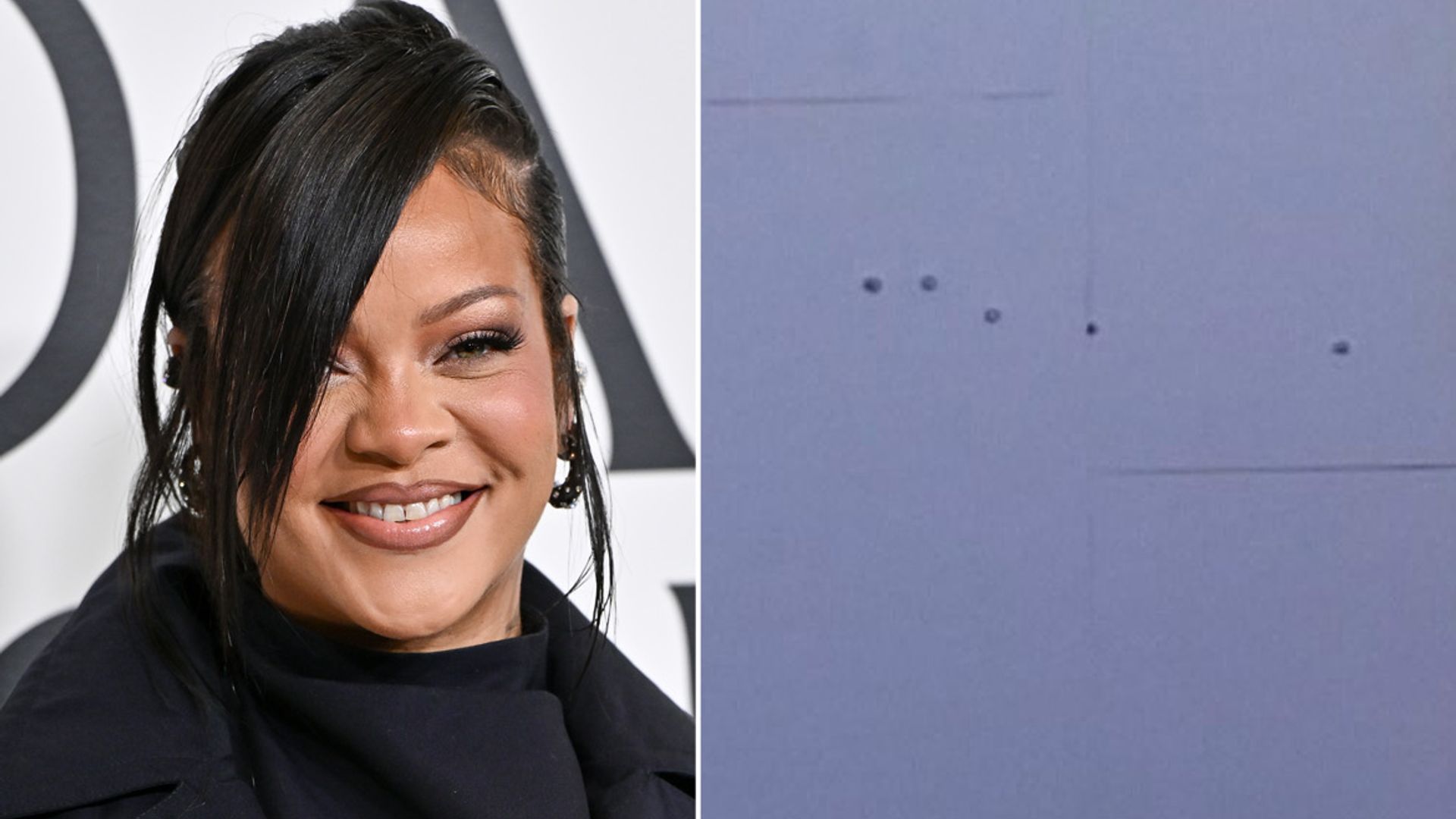
The recent discharge of a firearm at the private residence of Robyn Rihanna Fenty—an incident that has led to an attempted murder arrest—isn't just a headline about a shaken pop star. It is a catastrophic failure of the multi-billion-dollar private security apparatus. When a suspect manages to get close enough to a global icon’s inner sanctum to pull a trigger while she is inside, we are no longer talking about a simple trespass or a misguided fan. This is a breach of the "safe zone" that reveals how vulnerable the world’s most famous individuals remain, despite the high-tech walls they build around themselves.
Law enforcement sources confirm that the arrest was made following a high-stakes investigation into the shooting, which occurred while Rihanna was physically present on the property. While the singer was unharmed, the event shatters the industry standard that wealth equals immunity from street-level violence.
The Myth of the Iron Gate
For decades, the celebrity security industry has sold a specific brand of peace of mind. It involves K-9 patrols, thermal imaging, and "hardened" rooms designed to withstand a tactical assault. But the reality on the ground is often far messier. Most residential security details for A-list talent are reactive, not proactive. They are designed to keep the paparazzi at bay and manage the flow of delivery drivers, not to engage in a firefight with a motivated assailant.
The shooting at Rihanna’s home highlights a growing trend of "over-the-wall" aggression. In the past, obsessed individuals might leave letters or attempt to climb a fence. Now, we are seeing a shift toward ballistic violence. This change in tactics by bad actors renders many traditional security protocols obsolete. If a perimeter can be breached by a projectile from the street or a nearby vantage point, the most expensive gate in Los Angeles is little more than a lawn ornament.
Behind the Attempted Murder Charge
The decision by prosecutors to move forward with an attempted murder charge, rather than a lesser felony like discharging a firearm or aggravated assault, suggests a level of premeditation that should terrify every high-net-worth individual in the hills. To secure an attempted murder conviction, the state must prove intent. This wasn't a celebratory shot into the air or a warning to a rival. This was a targeted strike.
Investigative leads indicate that the suspect may have tracked the movement of the household for a significant period. In the age of social media, "digital casing" has become the primary tool for criminals. Even when a star like Rihanna doesn't post her location in real-time, the surrounding ecosystem—assistants, stylists, delivery services, and even neighbors—leaves a digital breadcrumb trail. A professional can piece together a schedule with frightening accuracy.
The Failure of Perimeter Intelligence
The most significant takeaway for industry analysts is the failure of the "outer ring" of security. In military-grade protection, the goal is to identify a threat before it reaches the property line.
- Intelligence gathering: Monitoring social media and dark web forums for mentions of specific addresses.
- Acoustic sensors: Technology that can triangulate the origin of a gunshot within seconds.
- Static surveillance: Human guards who are trained to spot "scouting" behavior rather than just looking for active intruders.
In this instance, the suspect was able to initiate violence before being neutralized. That 10-second window between the first shot and the eventual arrest is where tragedies happen. It represents a vacuum in the protection strategy that no amount of money has yet been able to fully close.
The High Cost of Visibility
Rihanna isn't just a singer; she is a global conglomerate. Her brand, Fenty, is built on accessibility and a "girl-next-door" authenticity that clashes violently with the need for a paramilitary escort. This is the central paradox of modern stardom. To stay relevant and sell products, stars must be visible. They must appear in public, share glimpses of their lives, and maintain a connection with their audience.
However, every ounce of visibility increases the "threat surface." Security experts often talk about the "Area of Responsibility," or AOR. For a reclusive billionaire, the AOR is small and controlled. For a mogul like Rihanna, the AOR is massive. It includes her homes in multiple countries, her offices, her retail pop-ups, and her travel routes. Each of these points is a potential site for a security failure.
Why Technology Isn't Saving Anyone
We are currently seeing a massive influx of AI-driven surveillance tools in the private sector. These systems claim to use facial recognition and gait analysis to identify "suspicious" persons.
They failed here.
The problem with high-tech security is that it creates a false sense of security. A camera doesn't stop a bullet. A motion sensor doesn't tackle a gunman. When the industry leans too heavily on "smart" homes, they often neglect the most important element: human intervention. If the guards on duty are staring at screens instead of watching the street, they are already behind the curve. The arrest of the suspect in this case appears to be the result of traditional police work and rapid response after the fact, rather than a high-tech preventative strike.
The Psychological Toll of the Siege
There is a human cost to these breaches that the public rarely sees. When your home—the one place you are supposed to be able to take off the "mask" of celebrity—is violated by gunfire, the damage is permanent. We have seen this before with figures like Sandra Bullock, who hid in a closet while an intruder roamed her home, or the tragic death of Christina Grimmie.
The industry refers to this as "security fatigue." After a while, the constant presence of guards, the checking of locks, and the fear of the unknown become exhausting. Some stars begin to cut corners. They let their guards take the night off, or they leave the back gate unlocked for a friend. Criminals wait for these moments of fatigue. The shooter at Rihanna’s home may have been banking on exactly this kind of lapse.
Rethinking the Celebrity Compound
The future of celebrity living may look less like a mansion and more like a bunker. We are already seeing a shift toward "vertical security"—high-rise penthouses where the only access point is a private, guarded elevator. Ground-level estates, no matter how large the acreage, are becoming increasingly difficult to defend against modern threats.
- Hardened Exteriors: Using ballistic glass and reinforced walls as standard construction materials, not just in safe rooms.
- Private Airspace: Increased use of drone jamming technology to prevent overhead surveillance.
- Anonymity in Transit: Moving away from recognizable luxury SUVs toward "gray" vehicles that blend into traffic.
The Investigation Continues
While the arrest provides some measure of justice, it does not answer the underlying question of how the suspect bypassed one of the most sophisticated security details in the world. The Los Angeles Police Department and private investigators are likely looking into whether there was an "inside" element—someone who provided information on the home’s layout or the singer's schedule.
In the high-stakes world of executive protection, there are no coincidences. A shot fired at a target like Rihanna is a calculated act. Whether the motive was obsession, robbery, or something more sinister, the event serves as a grim reminder that in the battle between the protector and the predator, the predator only has to be right once.
The industry must now grapple with the fact that the old rules are dead. If an attempted murder can occur at the home of one of the world's most powerful women while she is inside, then no one is as safe as they think. The walls are not high enough. The cameras are not smart enough. And the danger is much closer than the gates suggest.
Check your own perimeter tonight. Even if you don't have a Fenty-sized target on your back, the systems we trust are more porous than we dare to admit.