The headlines are predictable. They focus on the shock, the "shots fired," and the proximity of the star. It’s high-octane tabloid fuel designed to make you click and shudder. But if you’ve spent a week in high-level private security, you aren’t reading the news; you’re reading a massive, systematic failure of the billion-dollar protection industry.
The lazy consensus says this was a "scary incident." The reality? It was a preventable breach that proves most celebrity security is just expensive theater.
The Myth of the Fortress
The public looks at a compound like Rihanna’s and sees an impenetrable bastille. They see the perimeter walls, the high-tech cameras, and the muscular men in black suits. They think these things provide safety. They don’t. They provide a sense of safety, which is a dangerous distinction.
Most "elite" security teams for A-list talent operate on a reactive loop. They wait for a threat to manifest, then they respond. If someone is close enough to fire a weapon on a property while the principal is inside, the security team didn't just fail at the moment of the shot—they failed weeks ago during the threat assessment phase.
In the world of professional protection, we use a simple metric: The OODA Loop (Observe, Orient, Decide, Act).
- Observe: Spot the anomaly.
- Orient: Understand what that anomaly means in context.
- Decide: Choose a course of action.
- Act: Execute.
If a trespasser manages to reach the point of discharging a firearm, they have outpaced the security team’s OODA loop. The security was stuck in "Observe" while the intruder was already at "Act." That isn't a "scary situation." That is a catastrophic professional embarrassment.
Why "Hardening the Target" is a Lie
Every time a celebrity home is breached, the "experts" crawl out of the woodwork to talk about "hardening the target." They suggest more cameras, higher fences, and more guards. This is the equivalent of putting a heavier deadbolt on a door made of glass.
True security isn't about physical barriers; it’s about intelligence and distance.
Distance is the only thing that buys you time. If your security perimeter starts at your front gate, you have zero time. If your security perimeter starts three blocks away through digital monitoring, local law enforcement coordination, and behavioral pattern recognition, you have minutes. Minutes save lives. Gates just make for good photos.
I have seen management teams blow millions on "state-of-the-art" surveillance systems that generate so many false positives—stray cats, wind-blown branches—that the actual human monitors eventually tune them out. They become white noise. When the actual threat walks through the gate, the guard is looking at his phone because the "smart" camera has cried wolf 400 times that night.
The Problem with "Bodyguards"
Let’s talk about the guys in the suits. The industry is flooded with former "tough guys" who look the part but lack the cognitive agility for modern protection.
A "bodyguard" is a human shield. An Executive Protection (EP) Specialist is a risk manager.
- The Bodyguard waits for a guy to jump the fence and then tries to tackle him.
- The EP Specialist identifies the stalker’s digital footprint, notices the suspicious vehicle circling the block three days prior, and has the individual intercepted by police before they ever reach the property line.
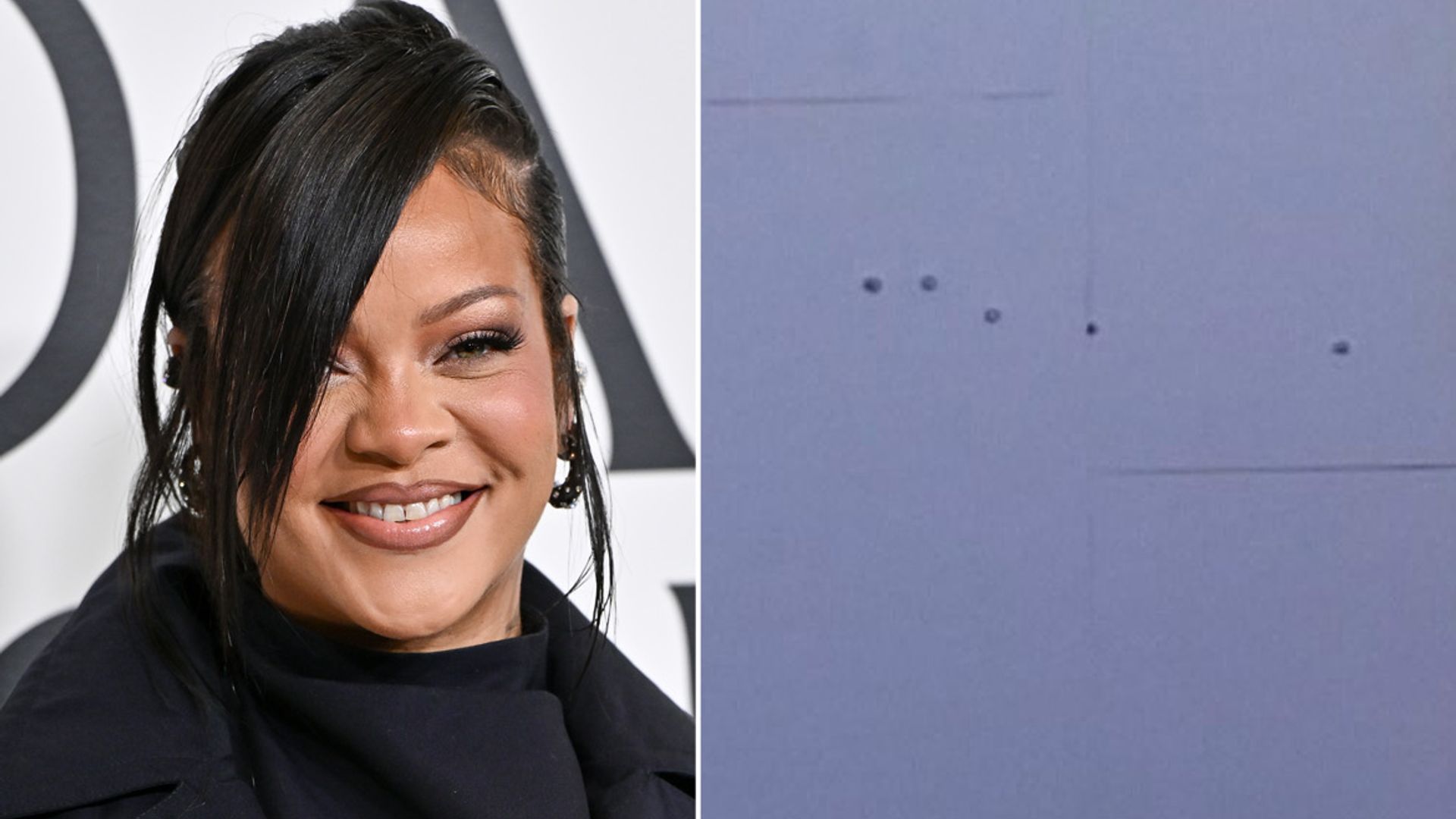
The reports regarding the Rihanna incident mention a woman arrested after shots were fired. The fact that she got close enough to fire a weapon suggests a total lack of Counter-Surveillance.
In high-stakes protection, we assume we are being watched. We look for the people looking at us. If a woman can navigate the logistics of getting a weapon to a high-profile residence, she didn't do it on a whim. She scouted. She lingered. She tested the perimeter. She found a hole. And the security team, blinded by their own "robust" presence, missed the quiet preparation for the loud event.
The "Star Power" Tax on Safety
There is a specific phenomenon in celebrity circles: the "Yes-Man" security detail.
When you are as famous as Rihanna, your security often becomes part of your entourage. They become friends. They start carrying shopping bags. They get comfortable. This is the death of vigilance.
The moment a security professional cares more about being liked by the principal than being effective, the principal is in danger. Professional distance is a requirement, not a suggestion. A real pro will tell a star "No."
- "No, you can't go out that way."
- "No, we aren't staying at that hotel."
- "No, we are changing the route."
Most celebrity teams are too afraid of losing their high-paying gig to say "No." They prioritize the "seamless" experience of the star over the actual safety of the human being. They facilitate a lifestyle of convenience that creates massive, gaping vulnerabilities.
The Digital Perimeter is the New Front Gate
We need to stop talking about "shots fired" as if the gun is the only weapon. The breach started online.
Every time a celebrity or their staff posts a photo with a geotag, or a video that shows the layout of a room, or a shot of the view from a window, they are handing a blueprint to every predator on the planet.
Modern protection requires a Digital Privacy Officer. If your security team doesn't include someone who can scrub metadata, monitor the dark web for mentions of your address, and manage the digital signatures of everyone in the household, you aren't protected. You’re just a target with a fancy fence.
The woman in the Rihanna case likely didn't find that house by accident. She used the breadcrumbs left by the very industry that claims to protect the star.
The Brutal Reality of Private Police
People ask: "Why didn't the police do more?"
The premise is flawed. Public law enforcement is reactive by design. Their job is to investigate the crime after it happens and arrest the perpetrator. They are not a private shield.
The burden of prevention rests entirely on the private sector, and the private sector is failing because it focuses on optics over outcomes.
I’ve worked details where the client insisted on having guards who "looked intimidating." I told them I’d rather have a nerd in a sedan two blocks away with a radio and a thermal lens. They chose the big guys. Six months later, they were burgled because the big guys were busy looking intimidating at the front door while the thief came in through a second-story window the "nerd" would have been monitoring.
The Downsides of My Approach
Is my contrarian view perfect? No.
Living a life governed by true Executive Protection is intrusive. It means you can't be "spontaneous" in the way the public expects. It means your "inner circle" is constantly being vetted. It means your digital life is sanitized. It’s expensive, it’s annoying, and it feels like living in a high-end prison.
But the alternative is what we saw at Rihanna’s. The alternative is a "scary incident" that could have been a tragedy.
Stop Asking "Was She Hurt?"
Instead, ask "How was she reached?"
If the goal of security is to ensure the principal is never in a position where "shots fired" is a headline, then the Rihanna detail failed. Period.
Don't let the "arrest" fool you into thinking the system worked. An arrest is a post-mortem on a failed prevention strategy. If the gun goes off, the security team has already lost the battle.
The industry needs to stop hiring bouncers and start hiring analysts. We need to stop building walls and start building intelligence networks. Until the "protection" world moves away from the theater of muscle and toward the science of distance, these breaches will continue to happen.
The shots fired weren't just a threat to a pop star. They were a starting pistol for an industry that needs to wake up and realize its old methods are obsolete.
Throw away the fancy uniforms and start looking for the person who has been sitting in a parked car three blocks away for four hours. That’s where the safety is. Everything else is just a show.