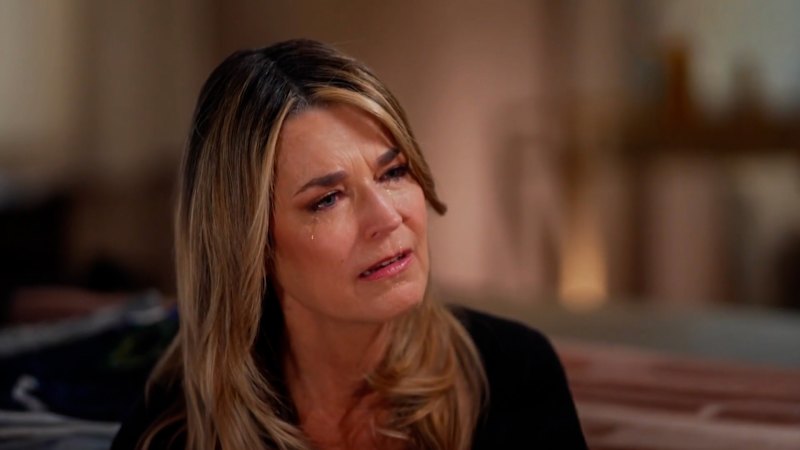
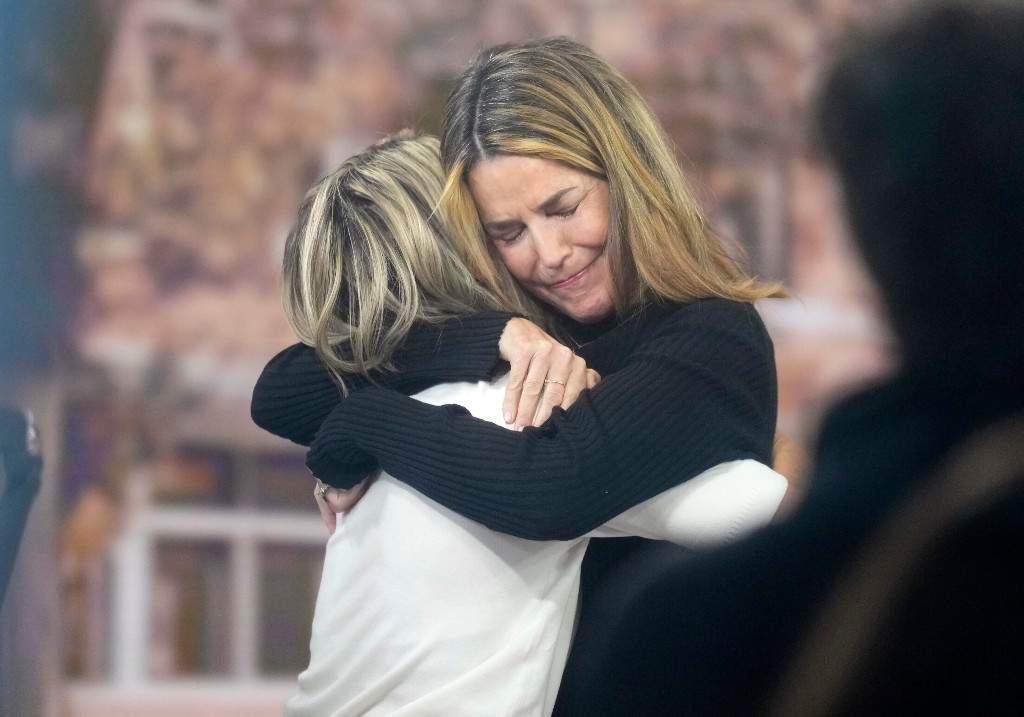
The legal truce between FKA twigs and Shia LaBeouf has officially disintegrated. In a move that challenges the very mechanics of how Hollywood settles its most uncomfortable scandals, the musician, born Tahliah Barnett, filed a new lawsuit on March 25, 2026, to dismantle a non-disclosure agreement (NDA) she calls "unlawful." This is not a dispute over money; it is a frontal assault on the "silencing culture" that defines high-stakes litigation.
Barnett is not seeking a payout. Instead, she is asking the Los Angeles Superior Court to declare her 2025 settlement agreement unenforceable under California law. The core of her argument rests on the STAND Act (Stand Together Against Non-Disclosures), a piece of legislation designed to stop predators from using private settlements to buy the permanent silence of survivors. You might also find this connected story insightful: The George Clooney French Passport Scandal and the Reality of Skipping the Line.
The Breakdown of a Secret Deal
In July 2025, it appeared the years-long battle between the two stars had reached a quiet conclusion. After Barnett sued LaBeouf in 2020 for sexual battery, assault, and emotional distress, they settled just months before a high-profile trial was set to begin. The public assumed the matter was buried.
The peace was an illusion. According to the new filing, the friction reignited when Barnett gave an interview to The Hollywood Reporter in October 2025. When asked if she felt safe after the legal ordeal, she replied, "No, I wouldn't say I feel safe." As discussed in latest reports by Bloomberg, the implications are widespread.
LaBeouf’s response was immediate and aggressive. His legal team filed a secret arbitration demand in December 2025, claiming Barnett had breached the NDA by expressing her lack of safety. He reportedly sought "exorbitant" financial penalties for those seven words. While that arbitration was eventually dropped, the damage to the settlement's foundation was permanent.
The Legal Loophole Gambit
The most striking revelation in this new filing is the specific legal defense LaBeouf’s team allegedly employed to justify the gag order. They argued that the STAND Act did not apply to their settlement because Barnett’s original lawsuit was for "sexual battery" rather than "sexual assault."
This is a distinction that Barnett’s attorney, Mathew Rosengart, has labeled "preposterous." In the filing, Rosengart argues that since assault is a legal precondition of battery, the attempt to split hairs over terminology is a bad-faith effort to circumvent California's public policy.
The lawsuit further alleges the NDA was so restrictive it didn't just prevent Barnett from discussing her own trauma. It reportedly:
- Barred her from speaking about sexual abuse in general terms as a matter of public concern.
- Restricted the manner in which she could donate to charities supporting victims of domestic violence.
- Attempted to control her public advocacy for other survivors.
A Pattern of Control
While LaBeouf’s lawyers were pursuing Barnett for her interview comments, the actor was facing fresh legal troubles elsewhere. In early 2026, LaBeouf was arrested in New Orleans for battery after an altercation at a bar during Mardi Gras. He was subsequently ordered by a judge to enroll in a residential rehabilitation program.
For Barnett, these events aren't separate from her legal fight; they are evidence of a "campaign of intimidation." Her lawsuit points out the irony of LaBeouf demanding total confidentiality from her while his own public conduct continues to generate headlines.
The litigation raises a fundamental question about the future of NDAs in California. If a survivor can be sued for arbitration for simply stating they do not feel safe, then the protections of the STAND Act are effectively hollow. This case is no longer just about two celebrities; it is a test of whether a wealthy defendant can use "private" contracts to override the legislative intent of the state.
The Risk of Speaking Out
Taking this to court is a gamble for Barnett. By challenging the NDA, she risks reopening the door for LaBeouf to countersue or attempt to claw back settlement funds. However, her legal team has framed this as a matter of principle. They argue that if a "cultural icon" with Barnett’s resources can be bullied into silence, survivors without her platform stand no chance.
The lawsuit seeks "declaratory relief"—a judge's formal statement that the NDA provisions are "unlawful, invalid, and unenforceable." If she wins, it could set a massive precedent for how sexual misconduct settlements are drafted in the future, effectively ending the era of the "all-encompassing" gag order.
Barnett is currently moving forward with her career, having recently released her album Eusexua, but the shadow of this litigation remains. She has made it clear that "moving on" does not mean being silenced.
The court's decision will determine if the "Silenced No More" movement is a reality or a legal suggestion.
Would you like me to analyze the specific provisions of the STAND Act that are being tested in this case?