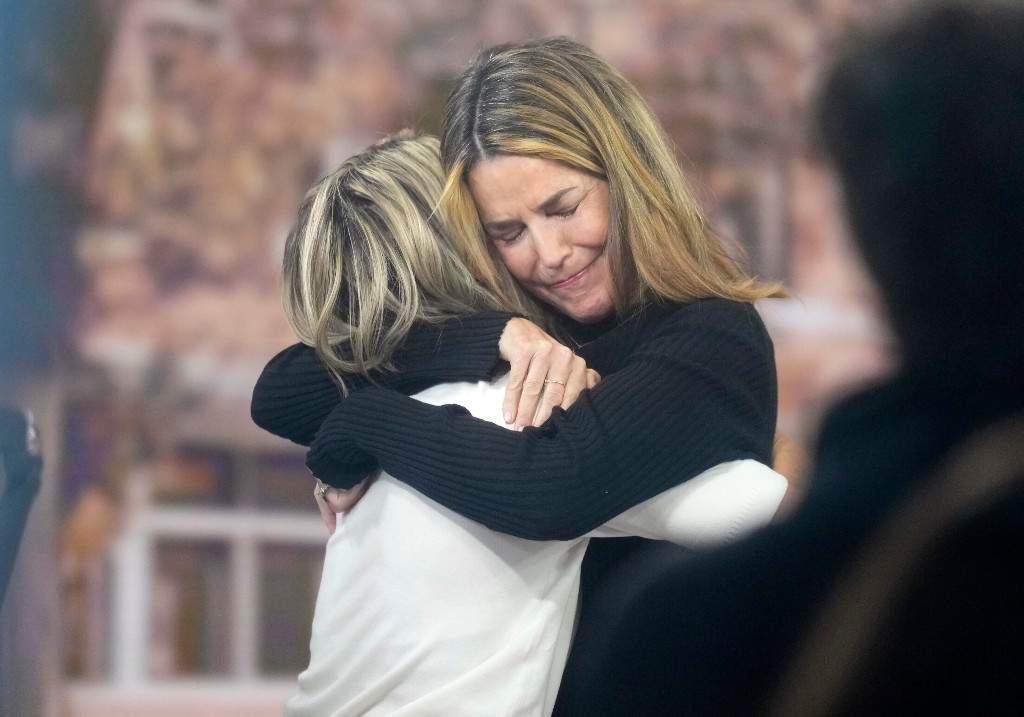
Savannah Guthrie shouldn't have to carry the weight of a family tragedy that happened when she was just a kid. But she does. It’s a gut-wrenching reality that many people who lose a parent early in life understand all too well. When something catastrophic happens to a family, children don’t look at the world through the lens of logic. They look at it through the lens of themselves.
The Today show co-anchor recently opened up about the profound guilt she felt surrounding her mother’s brief disappearance decades ago. It wasn’t a crime thriller. It wasn’t a headline-grabbing kidnapping. It was a moment of human breaking point that left a young girl wondering if she was the reason her mother vanished.
The Night Everything Changed in the Guthrie Household
Guthrie’s father passed away from a heart attack when she was only 16. That’s a massive blow for any teenager. You're trying to figure out who you are, and suddenly the floor drops out from under your family. Her mother, Nancy, was left to pick up the pieces while drowning in her own grief.
One night, things reached a boiling point. Nancy simply left. She didn't say where she was going or when she'd be back. For a teenager already traumatized by the permanent loss of a father, this temporary absence felt like a second abandonment. Guthrie admitted she spent those hours gripped by the fear that she had pushed her mother over the edge.
"Was it me? Did I say something? Was I too difficult?" These are the questions that haunt a child in crisis. It’s not rational, but it’s real. We often forget that caregivers are human beings with limits. Nancy wasn't a superhero; she was a widow trying to survive.
Why Kids Blame Themselves for Adult Trauma
Psychologists call this "magical thinking." Children and adolescents often believe their thoughts or actions have a direct causal link to major external events. If a parent leaves, the child assumes they weren't "good enough" to make them stay.
In Guthrie's case, the timing was brutal. The family was already fragile. When her mother walked out that door, Savannah didn't see a woman needing a breather. She saw a mother escaping her.
I’ve seen this play out in countless families. When a parent struggles with depression or disappears for a few days to cope, the kids internalize that struggle as a personal failure. They become "parentified," trying to be perfect to prevent another blowout. It creates an anxiety that can last well into adulthood, even when you're a successful TV personality with millions of viewers.
The Reality of Parental Burnout and Grief
Nancy Guthrie eventually came back, of course. She hadn't abandoned her kids for good; she just needed to breathe. But the damage of those few hours stayed with Savannah. It highlights a messy truth we don't talk about enough: grief isn't a straight line. It's a jagged, ugly mess that makes people do things they normally wouldn't.
Nancy was navigating a world without her partner. She was raising kids who were also grieving. The pressure must have been astronomical. While we focus on Savannah’s guilt, we also have to look at the impossible standard we set for mothers. They aren't allowed to break. They aren't allowed to "disappear" for a night to find their sanity. When they do, the fallout ripples through the next generation.
Breaking the Cycle of Childhood Guilt
If you grew up in a house where a parent’s emotional state felt like your responsibility, you know exactly what Savannah Guthrie is talking about. You spend your life waiting for the other shoe to drop. You become a people-pleaser. You become hyper-vigilant.
The only way to move past this is to acknowledge that you were never that powerful. You weren't powerful enough to make your parent leave, and you weren't powerful enough to make them stay. Their actions were a reflection of their own internal battle, not your value as a person.
Guthrie sharing this story isn't just about celebrity gossip. It’s about de-stigmatizing the messiness of family life. We see her every morning looking polished and in control. Knowing she carried that "was it me?" burden for years makes her more relatable, but it also serves as a warning. We need to talk to our kids when things get bad. We need to tell them, "I'm struggling, but it isn't because of you."
What You Should Do If You Are Carrying This Weight
Stop holding onto the "what ifs" from your childhood. You weren't the cause of your parents' breakdown. If you find yourself constantly apologizing or feeling responsible for the moods of people around you, it’s time to look back at where that started.
- Acknowledge the trauma without blaming your parents for being human.
- Recognize that your "magical thinking" was just a survival mechanism.
- Talk to a professional who specializes in childhood trauma and parentification.
Savannah Guthrie eventually found peace with her mother’s story, but it took decades. You don't have to wait that long. Start by admitting that the 16-year-old version of you didn't do anything wrong. You were just a kid in a hard situation. Let that version of yourself off the hook today.