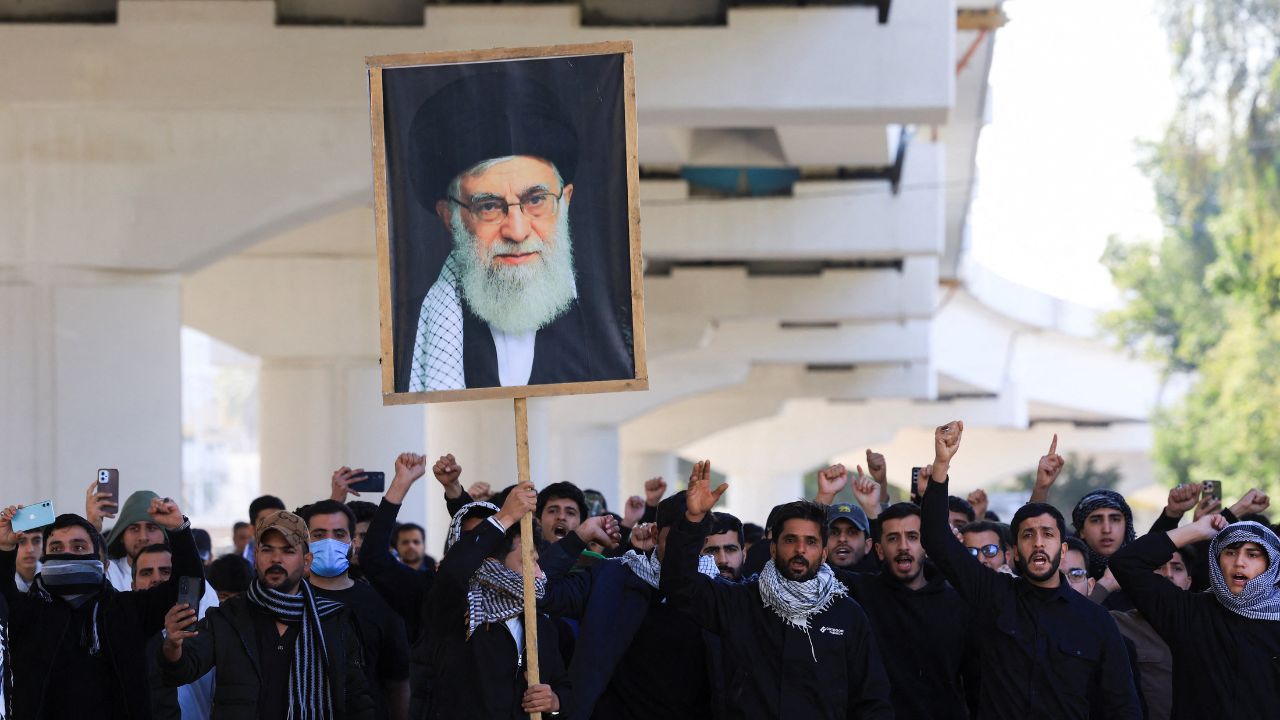
The air inside the Assembly of Experts does not move. It is a room where time feels suspended, thick with the scent of old paper and the hushed rustle of robes. Here, eighty-eight men, most of them elderly, hold the fate of eighty-eight million people in their hands. They are the gatekeepers of the Divine. For decades, the question of who would succeed the aging Supreme Leader, Ayatollah Ali Khamenei, was a whispered anxiety, a riddle wrapped in the opaque layers of Iranian clerical politics.
Then came the helicopter crash in the fog-drenched mountains of East Azerbaijan.
When Ebrahim Raisi, the sitting president and the man widely viewed as the anointed successor, vanished into the mist last May, the riddle changed. The safety net was gone. In the vacuum left by the wreckage, one name began to resonate with a new, sharper frequency. It was not the name of a public hero or a charismatic orator. It was the name of a man who has spent three decades mastered in the art of the unseen.
Mojtaba Khamenei.
To understand the rise of the second son, you have to understand the architecture of the house he inhabits. In Tehran, power is not always found behind a podium. More often, it sits in the "Beit Rahbari"—the Office of the Supreme Leader. This is the nervous system of the Islamic Republic. It is where the military, the intelligence services, and the vast economic conglomerates known as bonyads converge.
Mojtaba has spent his life as the silent operator of this machinery. While other politicians faced the fickle winds of public opinion or the scrutiny of the ballot box, he stayed in the shadows, managing his father’s affairs and building a deep, iron-clad rapport with the Islamic Revolutionary Guard Corps (IRGC).
The Son Who Stayed
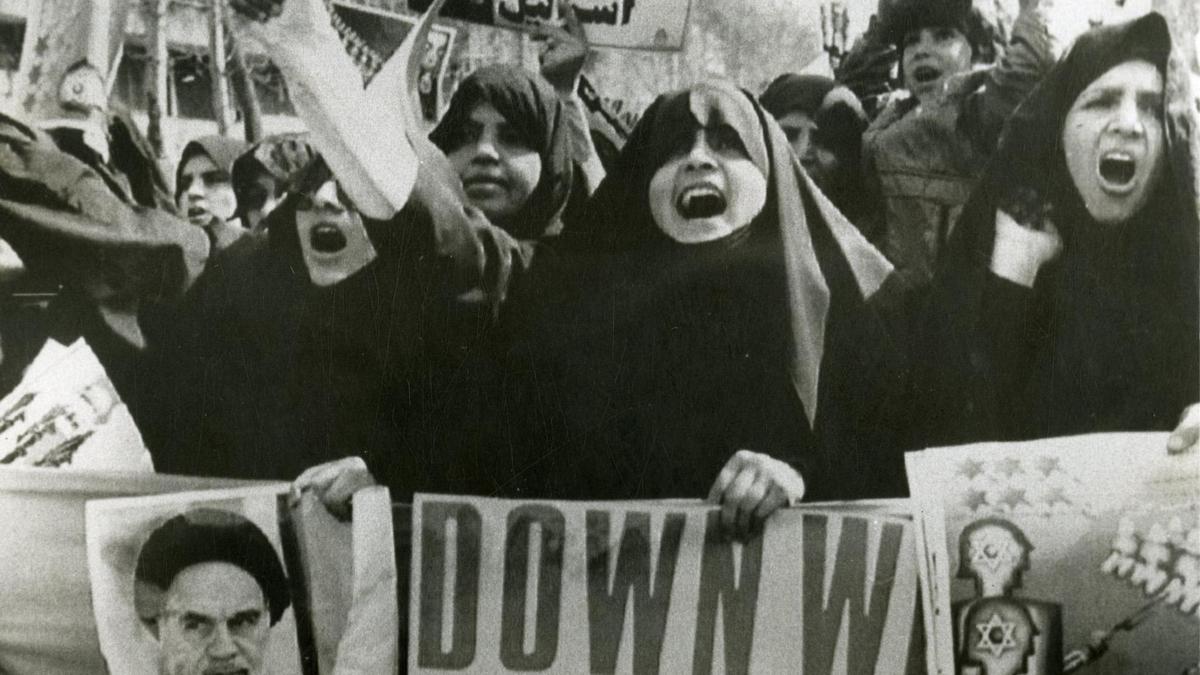
There is an inherent tension in the concept of a "hereditary" revolutionary. The 1979 Revolution was, in part, a violent rejection of the Pahlavi monarchy—a strike against the idea that bloodline dictates destiny. To install a son after a father feels, to many Iranians, like a betrayal of the very foundations of the Republic. It looks like a new peacock throne, just painted in a different shade of clerical green.
But the men who hold the levers of the state are less concerned with poetic irony than they are with survival.
Consider the perspective of a high-ranking commander in the IRGC. For him, the world is a series of existential threats: crippling sanctions, Israeli sabotage, and the constant threat of internal dissent. He doesn't want a "visionary" who might experiment with reform. He wants continuity. He wants a known quantity. He wants someone who understands the "Deep State" because he helped build it.
Mojtaba is that quantity.
He is not a high-ranking Grand Ayatollah. In the rigid hierarchy of Shia Islam, scholarly credentials matter. For years, this was the primary argument against him. How could a "Hojatoleslam"—a mid-ranking cleric—rule over a nation of believers? Yet, recent reports suggest a quiet metamorphosis. Behind the scenes, Mojtaba has been teaching advanced religious seminars. His "promotion" to the rank of Ayatollah is being socialized, whispered into the ears of the influential, ensuring that when the moment comes, the theological requirements will be met, or at least sufficiently blurred.
The Invisible Stakes
For the average Iranian, the shift is not a matter of theology. It is a matter of bread.
Imagine a family in a South Tehran apartment, the walls thin enough to hear the neighbors' muffled television news. To them, the "Assembly of Experts" sounds like a celestial tribunal, disconnected from the reality of 40% inflation and the skyrocketing price of meat. They don't see Mojtaba's scholarly papers. They see the man who oversaw the brutal crackdowns on the Green Movement in 2009 and the "Woman, Life, Freedom" protests of 2022.
To this family, the rise of the son is not a change in leadership. It is a hardening of the shell.
There was a moment in late 2024 when the whispers became an official roar. It was reported that the three-person commission tasked by the Assembly of Experts with finding a successor had narrowed its choice down to one. One man who could bridge the gap between the aging clerics and the powerful, tech-savvy security state. One man who had the ear of the Supreme Leader and the trust of the generals. One man who was, above all, a Khamenei.
This is the invisible stake of the succession: the finalization of a security state.
A Mirror of the Past
History is a cruel joker. When Ali Khamenei was chosen as the Supreme Leader in 1989, he was not the most qualified candidate. He was a compromise. He was a man whom the powerful figures of that time—men like Akbar Hashemi Rafsanjani—thought they could control. They were wrong. Once he ascended, he systematically neutralized those who had elevated him, building a power base that has endured for nearly four decades.
The IRGC may see Mojtaba as a man they can work with, a partner in the "Axis of Resistance." But history suggests that the Office of the Supreme Leader changes the man far more than the man changes the office. To sit in that chair is to become the ultimate arbiter of a system that thrives on ambiguity.
Mojtaba Khamenei is 55. If he ascends, he could rule for thirty years. He would be the bridge from the generation of the 1979 Revolution to a generation that has no memory of it.
His rise is not a story of a son's ambition. It is a story of a system choosing its own survival over its own soul. It is the story of a nation waiting for a morning that never quite arrives, while the shadows in the Assembly grow longer and longer, stretching across a country that no longer recognizes the face of its own revolution.
Somewhere in the Beit Rahbari, the lights are still on. The silent operator is waiting. The mountains have claimed the president, the aging leader is tired, and the fog has yet to lift from the streets of Tehran.
The son is ready.