The media is currently tripping over itself to report the appointment of Ahmad Vahidi as the new Commander-in-Chief of the Islamic Revolutionary Guard Corps (IRGC). Most outlets are treating this like a standard personnel shuffle in a high-stakes military bureaucracy. They talk about "stability," "continuity," and "strategic pivots" as if they are reading from a corporate HR manual.
They are missing the point.
Appointing Vahidi isn't about maintaining the status quo. It is a tactical middle finger to the international community and a clear signal that the IRGC is moving from a "proxy-first" model to a "direct-attrition" doctrine. If you think this is just another general taking the helm, you haven't been paying attention to the last thirty years of Iranian asymmetric warfare.
The Myth of the Moderate Transition
The lazy consensus suggests that Iran’s leadership rotates these figures to balance internal factions. The theory goes that a known quantity like Vahidi—a man who has served as Interior Minister and headed the Quds Force—is a "safe" choice to keep the ship steady during economic turmoil.
That logic is flawed. Vahidi is not a stabilizer; he is an architect of chaos. We are talking about the man linked by international investigators to the 1994 AMIA bombing in Buenos Aires. When you put a man with an Interpol Red Notice at the head of your primary military branch, you aren't looking for a seat at the diplomatic table. You are flipping the table over.
The IRGC is no longer just a military wing. It is a $100 billion conglomerate that controls everything from telecommunications to dam construction. Under Vahidi, we are going to see the total "securitization" of the Iranian economy. This isn't a military appointment; it’s a hostile takeover of what remains of Iran’s private sector by the ideological hardliners.
The Quds Force Integration Error
Standard analysis treats the Quds Force (the external operations wing) and the IRGC (the domestic and conventional wing) as distinct entities that occasionally share a lunchroom. This view is obsolete.
Vahidi’s background as the former commander of the Quds Force means the wall between internal security and external subversion has officially collapsed.
Imagine a scenario where a domestic police force is run by a veteran of deep-cover black ops. The tactics used to destabilize Lebanon or Iraq are now being internalized to manage domestic dissent in Tehran and Isfahan. The "proxy war" has come home, but not in the way the West hoped. Instead of the people overthrowing the regime, the regime is using foreign insurgency tactics against its own citizens.
Choke Points and Cyber Brute Force
While the world watches the Strait of Hormuz, Vahidi is likely looking at digital choke points. The IRGC’s cyber capabilities have matured beyond simple DDoS attacks. Under new leadership, expect a shift toward "Kinetic Cyber"—attacks designed to cause physical destruction of infrastructure in the West, rather than just data theft.
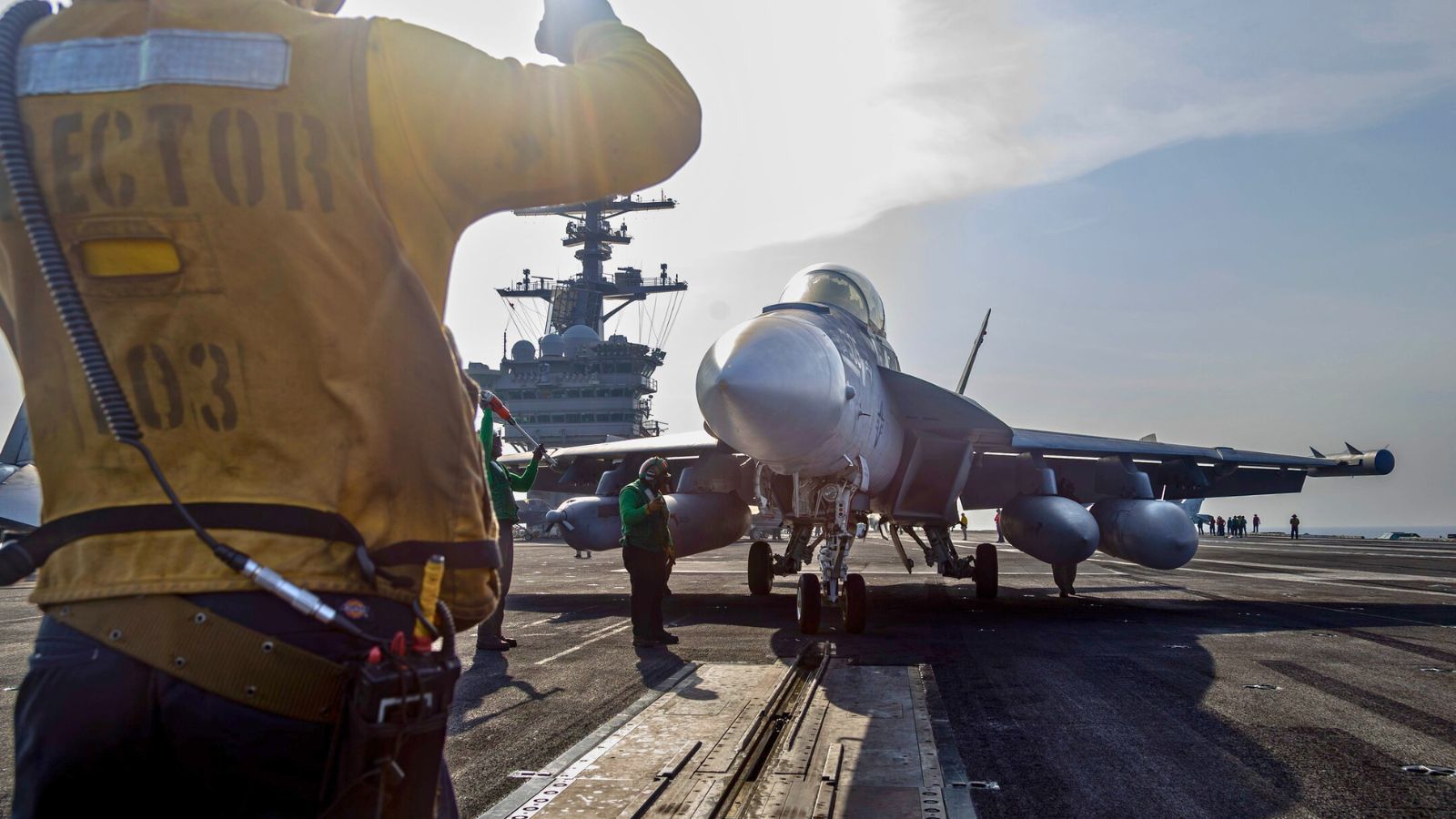
The IRGC knows it cannot win a carrier-group-to-carrier-group fight in the Persian Gulf. Vahidi’s "battle scars" from the 1980s and 90s taught him that the only way to beat a superior technological power is to make the cost of participation unbearable.
Why the "Succession" Narrative is a Distraction
People also ask: "Does this change mean the IRGC is preparing for life after Khamenei?"
This is the wrong question. The IRGC is the state. Whether Khamenei is there or not is increasingly irrelevant to the IRGC’s operational autonomy. By placing Vahidi—a man who is ideologically indistinguishable from the Supreme Leader but possesses the logistical mind of a logistics CEO—the IRGC is ensuring that the eventual transition of power is a purely military exercise.
They aren't preparing for a new Leader. They are preparing to rule without the need for a civilian facade.
The Trillion-Dollar Miscalculation
I have seen analysts blow decades of credibility by predicting that "increased pressure" leads to "pragmatic shifts." It’s the same mistake Western intelligence made in the lead-up to the 1979 revolution and every major IRGC shake-up since.
Sanctions don't weaken men like Vahidi; they provide them with a monopoly on the black market. Every time the US or the EU tightens the screws, the IRGC’s engineering wing, Khatam al-Anbiya, gets a new contract because no legitimate firm can operate. Vahidi understands the business of the "resistance economy" better than anyone. He doesn't want the sanctions lifted. He wants the monopoly that sanctions provide.
The New Doctrine: Asymmetric Aggression
What does a Vahidi-led IRGC look like on the ground? Stop looking for massive troop movements. Look for:
- Drone Proliferation 2.0: The mass export of Shahed-style tech to non-state actors in regions we aren't even watching yet, like the Sahel or Central Asia.
- Maritime Guerrilla Warfare: Not just seizing tankers, but using "ghost armadas" to facilitate trade while the US Navy is distracted by high-altitude balloons or South China Sea posturing.
- The End of the Nuclear "Patience": Vahidi’s appointment suggests the IRGC is tired of the cat-and-mouse game. They are moving toward a "Threshold State" reality where the weapon isn't the goal—the threat of the weapon as a permanent diplomatic shield is.
The West keeps playing checkers while the IRGC is playing a violent, multi-dimensional version of Go. They aren't trying to capture your pieces; they are trying to make the board so toxic you won't want to play.
If you are waiting for a "return to normalcy" or a "new era of negotiation" because a new commander is in place, you are dreaming. The appointment of Ahmad Vahidi is the final nail in the coffin of the reformist movement. It is the consolidation of a military-industrial complex that has no interest in peace because peace is bad for the bottom line.
The IRGC didn't just get a new commander. It got a new CEO for its global disruption franchise.
Stop analyzing the personality and start analyzing the precedent. The IRGC is no longer a guard; it is the master of the house. Act accordingly.