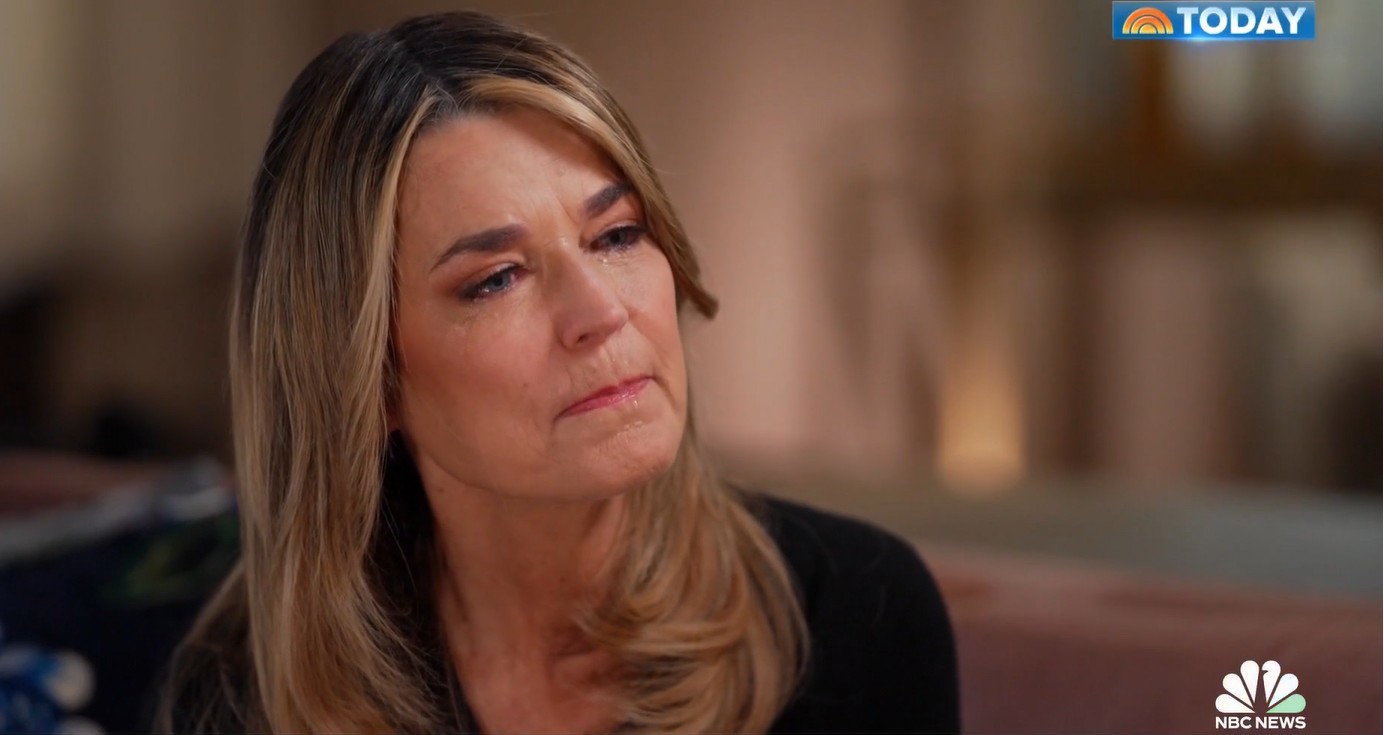
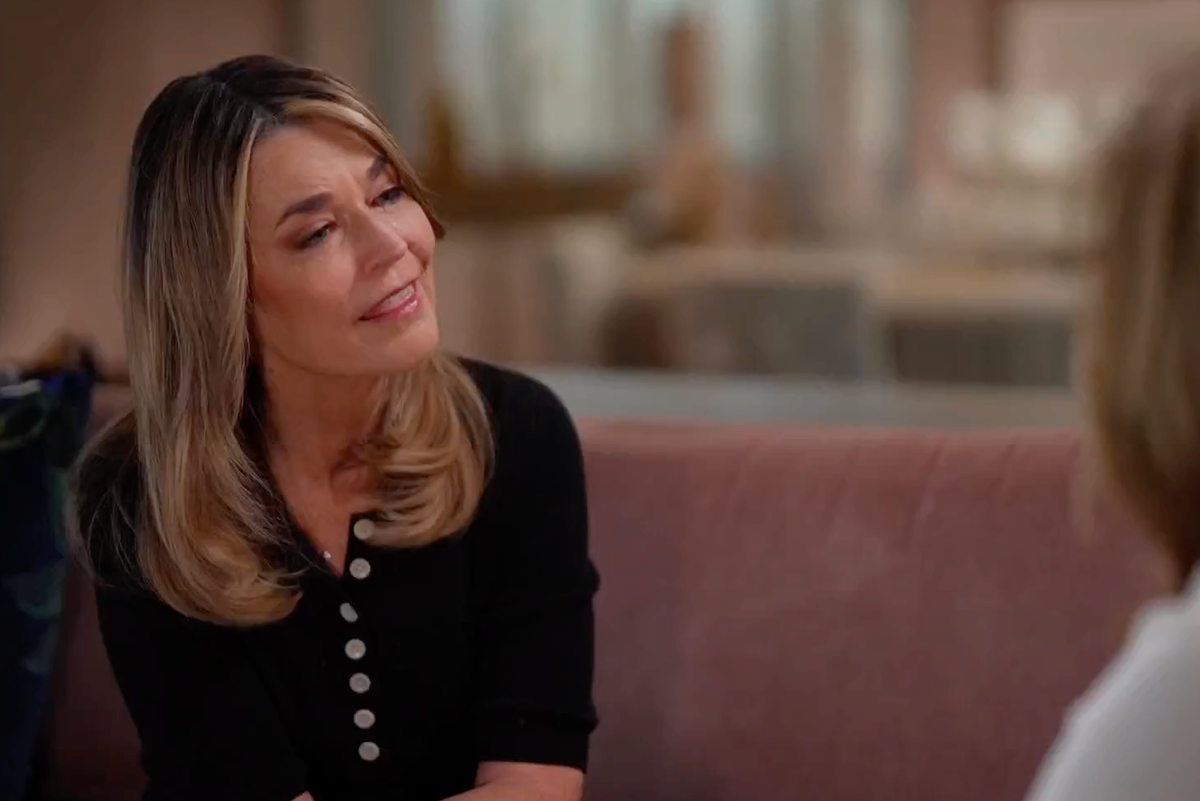
Savannah Guthrie and Hoda Kotb have shared a desk for years, but their latest conversation isn't about the morning's headlines or a lighthearted cooking segment. It’s about a void that doesn't go away. When Savannah sat down with her longtime friend and co-anchor to discuss the disappearance of her mother, the atmosphere changed. This wasn't just another TV promo. It was a raw look at the kind of grief that doesn't have a funeral or a headstone.
Most people see Savannah Guthrie as the poised, sharp-witted face of NBC’s Today. She’s the one asking the tough questions. This time, the roles flipped. Hoda, who has navigated her own share of public and private transitions, stepped into the role of the listener. What emerged was a narrative about "ambiguous loss," a term psychologists use to describe situations where a loved one is physically gone but there's no official closure. It’s a specialized kind of pain.
Why This Story Hits Differently
We’re used to celebrity memoirs that feel like polished PR campaigns. This isn't that. Savannah’s willingness to open up about her mother’s disappearance challenges the "perfect life" image often projected by morning show hosts. It reminds us that behind the professional makeup and the teleprompter, there are scars.
The disappearance of a parent isn't a story with a neat middle or a satisfying end. It’s a series of "what ifs" that loop forever. In the clip, you can see the shift in Savannah’s posture. She’s not "on." She’s just a daughter trying to make sense of a vacuum. Hoda’s presence matters here because their friendship provides a safety net. You can’t get this level of honesty from a standard press junket.
The Reality of Searching Without Finding
Grief is usually a process of saying goodbye. But how do you say goodbye to someone who just vanished? Savannah touches on the exhaustion of hope. It’s a heavy weight. You want to move on because life demands it, but moving on feels like a betrayal. If you stop looking, does that mean you’ve given up?
This interview highlights a specific psychological burden. When a person disappears, the family stays in a state of high alert. Their nervous systems are stuck in a "fight or flight" mode that lasts for decades. Savannah’s reflections show that even after achieving massive professional success, that childhood trauma remains a foundational part of who she is. It’s a quiet background noise that never quite hits mute.
Friendship as a Survival Strategy
Watching Hoda and Savannah, it’s clear their bond isn't just for the cameras. Hoda doesn't interrupt with platitudes. She doesn't try to "fix" the story because she knows some things are unfixable. That’s a lesson in empathy we could all use. Often, when someone tells us about a tragedy, we feel the urge to offer a solution. Hoda just holds the space.
This dynamic is what makes the Today show duo so resonant with viewers. They’ve gone through divorces, health scares, and adoptions in the public eye. But this—the story of a missing mother—reaches back into the past. It shows that our current successes are often built on top of old, unresolved heartbreaks.
Understanding Ambiguous Loss
If you’ve never heard the term, ambiguous loss is basically a nightmare with no wake-up call. Dr. Pauline Boss, who pioneered the study of this concept, argues that it’s the most stressful kind of loss.
- Physical absence with psychological presence: The person is gone, but you think about them constantly.
- Psychological absence with physical presence: Like dementia, where the body is there but the person isn't.
Savannah’s story falls into that first category. The world keeps spinning, but a part of her is still waiting for an answer that might never come.
What Savannah’s Vulnerability Means for the Rest of Us
There’s a power in seeing someone "at the top" admit they don't have it all figured out. Savannah’s story gives permission to anyone else carrying a "weird" kind of grief. You don't have to have a death certificate to feel like you’ve lost everything.
People often hide these kinds of stories because they're "messy." They don't fit into a 24-hour news cycle. By bringing this to light on a platform as big as NBC, Savannah is de-stigmatizing the long-term effects of trauma. She’s saying it’s okay to still be affected by something that happened years ago.
Moving Through the Fog
If you’re dealing with a loss that doesn't have a clear ending, Savannah’s conversation with Hoda offers a few takeaways. First, find your "Hoda"—the person who can listen without judging or trying to solve the unsolvable. Second, acknowledge the ambiguity. Don't force yourself into a traditional grieving model if it doesn't fit your reality.
The next step is to stop waiting for "closure." Closure is a myth sold to us by movies. In real life, you don't get a final scene where everything makes sense. You just learn to carry the weight better. You build more muscle. You grow your life around the hole until the hole isn't the only thing you see.
Watch the full interview when it drops. Don't look for the "reveal" or a shocking twist. Look for the moments of silence between the words. That’s where the real story is. If you're struggling with a similar situation, reach out to organizations like the National Alliance on Mental Illness (NAMI) or look into resources specifically for families of missing persons. You aren't obligated to handle the silence alone.
Start by acknowledging that your grief is valid, even if there's no official date on a calendar to mark it. Write down the questions you have, even if you know they won't be answered today. Giving them a place on paper takes them out of your head for a while. It's not a cure, but it's a start.