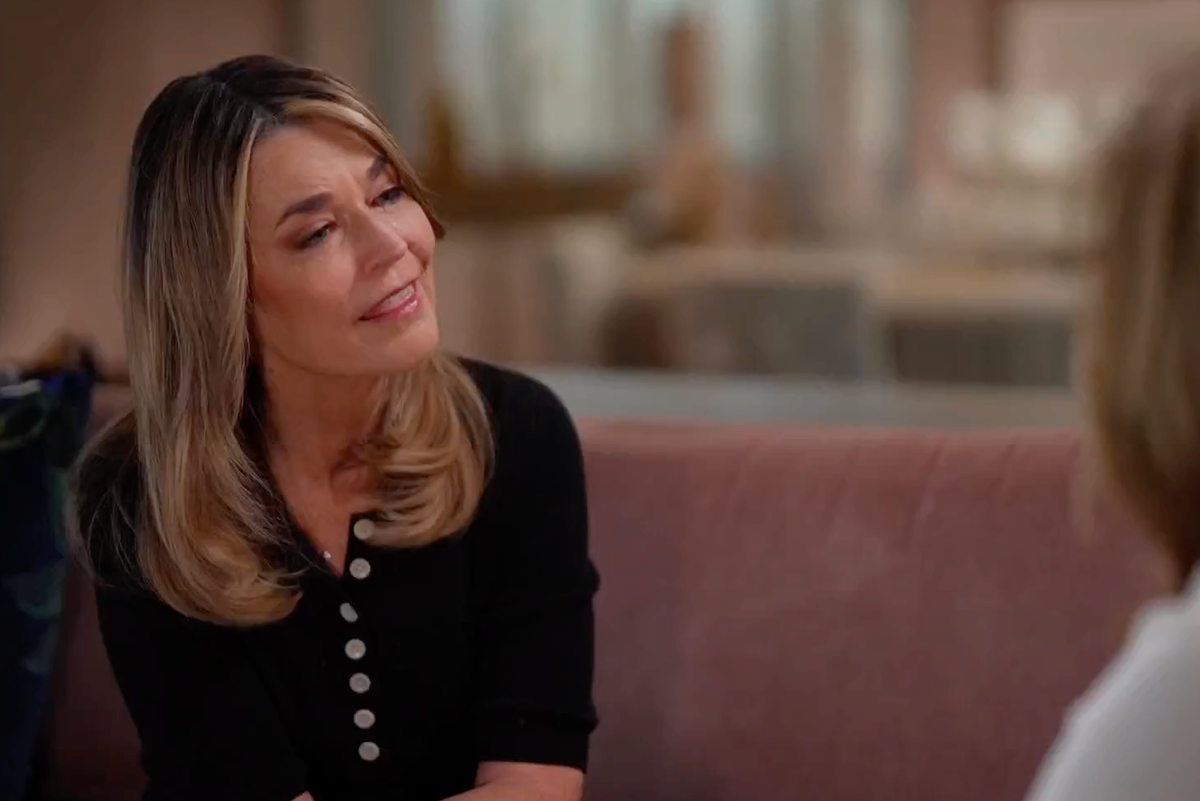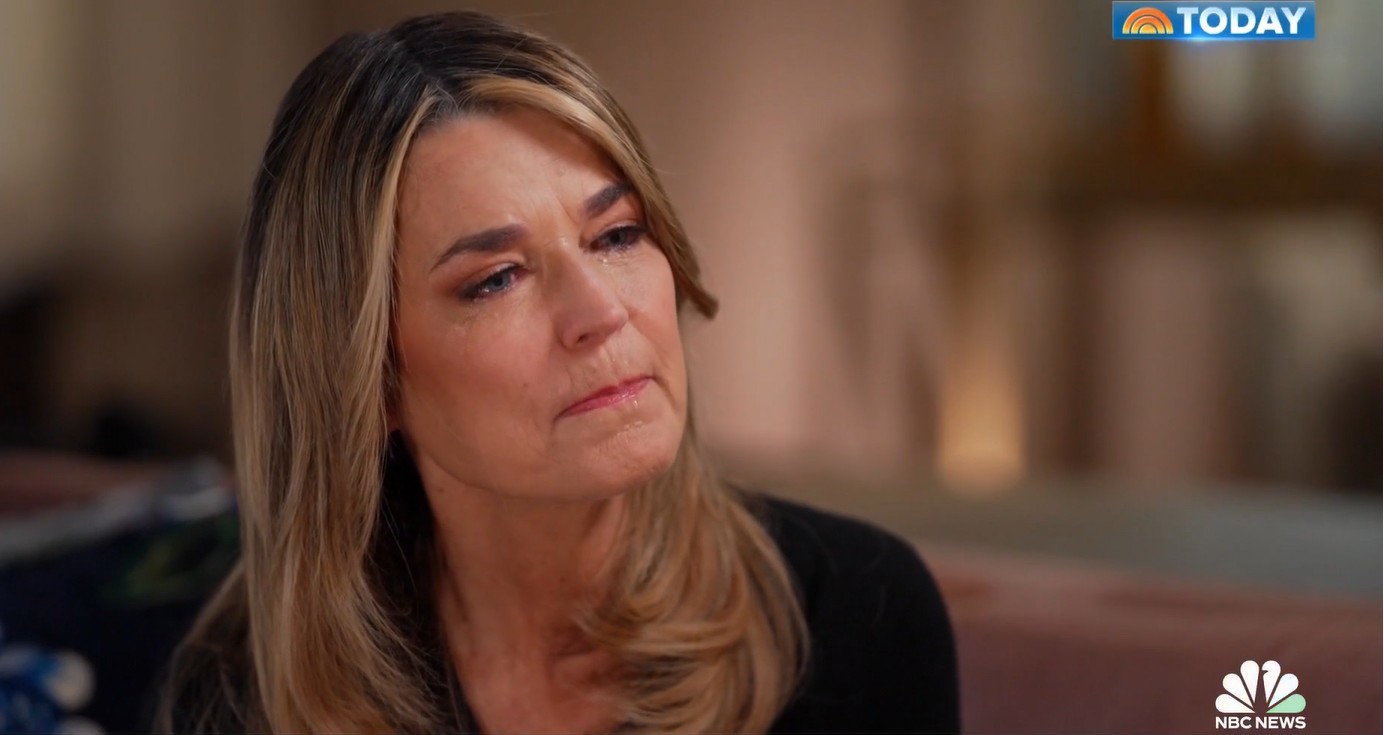
Savannah Guthrie’s mother is missing, and the media machine has already begun its favorite ritual: the high-definition extraction of private agony for public consumption. We call it "exclusive coverage." We call it "bravery." In reality, it is a sophisticated form of emotional voyeurism that does absolutely nothing to find a missing person, but does wonders for a morning show’s Q-rating.
The standard narrative—the lazy consensus—is that these interviews "raise awareness." We are told that by watching a daughter crumble on camera, we are somehow participating in a communal search effort. That is a lie. Awareness is a digital sedative. It makes the viewer feel like they’ve contributed to a cause without ever leaving their sofa or checking their own backyard.
I’ve spent fifteen years in the backrooms of media strategy. I’ve seen how these segments are lit, how the pauses are edited for maximum "relatability," and how the "breaking news" banners are color-coded to trigger a specific cortisol spike in the audience. We aren't watching news. We are watching a scripted tragedy where the victim’s family is the unpaid talent.
The Awareness Fallacy
The "People Also Ask" sections for cases like this are always the same: How can I help? Where was she last seen? These are noble impulses redirected into a dead end.
If the goal were actually to find a missing person, the airtime would be filled with high-resolution maps, forensic timelines, and granular data points that local residents could use to identify a lead. Instead, we get three minutes of tactical empathy. We get soft-focus shots of old family photos. We get the "agony."
The data on "awareness" campaigns is sobering. When a case goes viral because of a celebrity connection, it often creates a "signal-to-noise" catastrophe. Law enforcement agencies are flooded with thousands of "tips" from people three states away who "had a feeling" after watching the Today Show. These junk leads bury the actual evidence. By turning a missing person case into a national soap opera, we are often making the professional investigation harder, not easier.
The Weaponization of Vulnerability
We need to talk about the "Relatability Tax." Public figures like Guthrie are expected to pay it in full. There is an unwritten contract in modern media: if we gave you the platform, we own your shadow.
The industry insiders call this "humanizing the brand." If a news anchor stays stoic, they are "cold." If they stay private, they are "elitist." So, they are encouraged—sometimes subtly, sometimes overtly—to bleed in public. This isn't journalism. It’s a blood sacrifice to the algorithms that prioritize high-arousal emotions like sadness and outrage over objective reporting.
Why We Watch (And Why We Should Feel Bad About It)
We tell ourselves we watch out of sympathy. We don’t. We watch out of a primal, darker impulse called "benign masochism." We want to feel the prickle of tears because it reminds us we are alive, and we want to see the powerful brought low by the same tragedies that haunt the rest of us.
- The Parasocial Trap: We feel we "know" Guthrie, so we feel entitled to her grief.
- The Comparison Shield: Seeing a tragedy on screen allows us to subconsciously calibrate our own safety. "At least my mother is home."
- The Entertainment Pivot: We have blurred the line between a missing person report and a prestige drama.
The Missing White Woman Syndrome 2.0
Let’s be brutally honest about the demographics of this "agony." There are thousands of elderly women of color who go missing every year. They don't get the "exclusive interview" treatment. They don't get the cinematic lighting or the five-minute tribute.
By focusing the national lens so intensely on a celebrity-adjacent case, we are reinforcing a hierarchy of whose life is worth a segment. This isn't just a critique of Guthrie—who is a victim of circumstance here—but a critique of the editors and producers who decide which "agony" sells and which is "too depressing" for the 8:00 AM slot.
Precision Over Pathos
If we actually cared about the missing, the format would look entirely different. It would be cold. It would be clinical. It would be useful.
- Forensic Maps: Instead of a talking head, show the geofenced area of the last cell tower ping for ten minutes straight.
- Specific Triggers: Ask the public for dashcam footage from a specific three-block radius between 4:00 PM and 4:15 PM.
- Resource Allocation: Instead of spending $50,000 on a remote broadcast set in a grieving living room, donate that budget to private investigators or specialized SAR (Search and Rescue) teams.
I’ve sat in meetings where the "human interest" angle was prioritized over the "logistical facts" because facts don't have a high enough "dwell time." If a viewer sees a map, they might look away once they realize they weren't in that area. If they see a woman crying, they stay tuned to see if she breaks.
The Brutal Truth of the "Exclusive"
The word "exclusive" is a marketing term, not a journalistic one. It means "we outbid the other guys for this person’s pain." When a news outlet wins an exclusive with a grieving family member, they aren't winning a Pulitzer; they are winning a bidding war.
The cost of this war is the mental health of the subject. Processing a trauma while simultaneously performing that trauma for a camera is a recipe for long-term psychological scarring. We are asking victims to become "advocates" before they’ve even had time to be "human."
Stop The Performance
The next time you see a "heartbreaking exclusive," turn it off.
Not because you don't care, but because you do. If you want to help, look at the posters in your own neighborhood. Support the organizations that work for the "un-famous" missing. Demand that news outlets provide data, not drama.
We are addicted to the narrative of the "struggle," but we are allergic to the boring, repetitive work of actual solutions. We want the catharsis of the interview without the responsibility of the outcome.
Guthrie’s mother deserves to be found. Guthrie deserves to grieve in a room where there isn't a red light glowing on top of a camera. The fact that we think those two things are mutually exclusive is the greatest failure of our modern media age.
Stop consuming the agony. Start demanding the evidence.