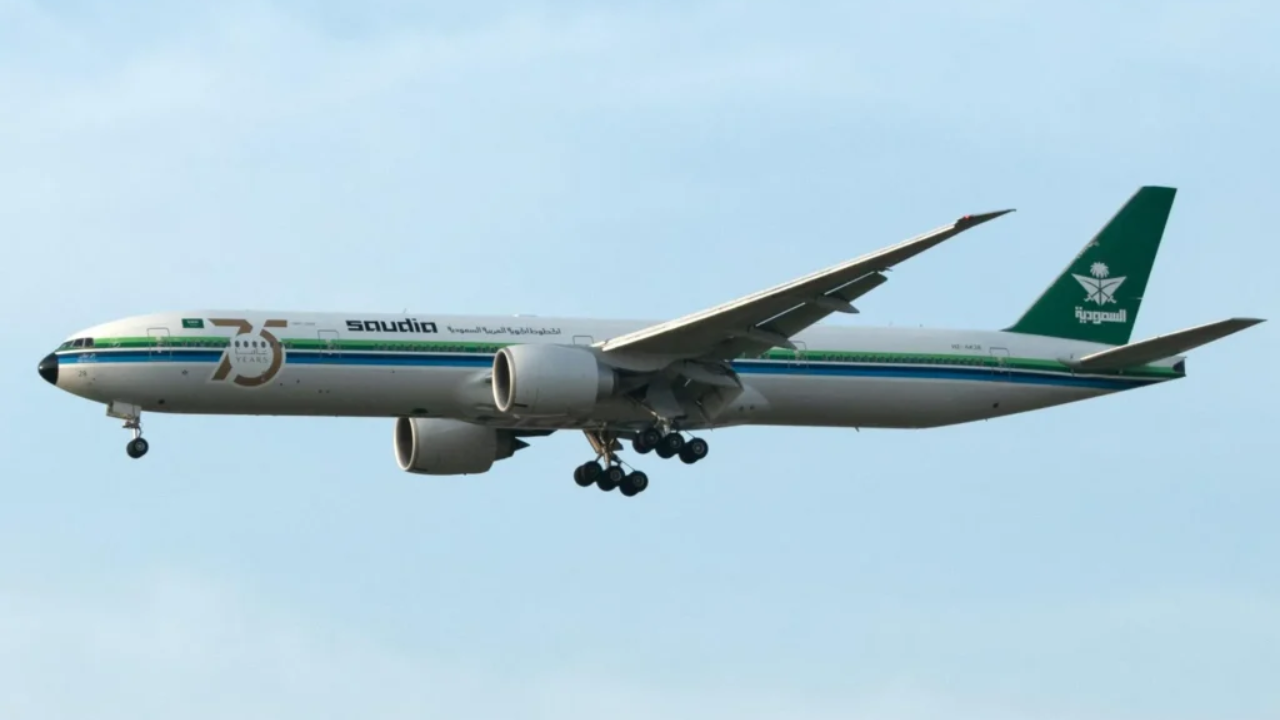
If you're holding a ticket for a Saudia flight this week, you probably already know the Middle East is currently a no-go zone for a lot of commercial birds. The carrier just pulled the plug on a massive chunk of its schedule, extending cancellations across eight major cities through at least March 4. It’s not just a "delay" or a "technical glitch." We’re looking at a total shutdown of specific corridors because the sky over the Persian Gulf has turned into a high-stakes military chessboard.
The US-Israel-Iran conflict has basically paralyzed regional aviation. While some airlines are trying to limp back into service with "exceptional" flights, Saudia is playing it safe—and honestly, can you blame them? When missiles are trading places with passenger jets, "better safe than sorry" isn't a cliché; it's a survival strategy. Recently making news in related news: The Jalisco Blackout and the Fragile Illusion of Mexican Tourism Safety.
The cities where Saudia won't be landing
Let’s get straight to the point. If you’re flying to or from any of these eight spots, your flight is officially off the boards until at least March 4, 23:59 GMT:
- Dubai and Abu Dhabi: The UAE hubs are ghost towns for Saudia right now.
- Doha: Qatar’s main gateway is cut off from the Saudi carrier.
- Kuwait City and Manama (Bahrain): Northern Gulf routes are completely dark.
- Amman: Jordan’s capital is a casualty of the proximity to the Israeli-Lebanese fronts.
- Peshawar and Moscow: These might seem like outliers, but the flight paths required to reach them often graze the "danger zones" that Saudia is now avoiding at all costs.
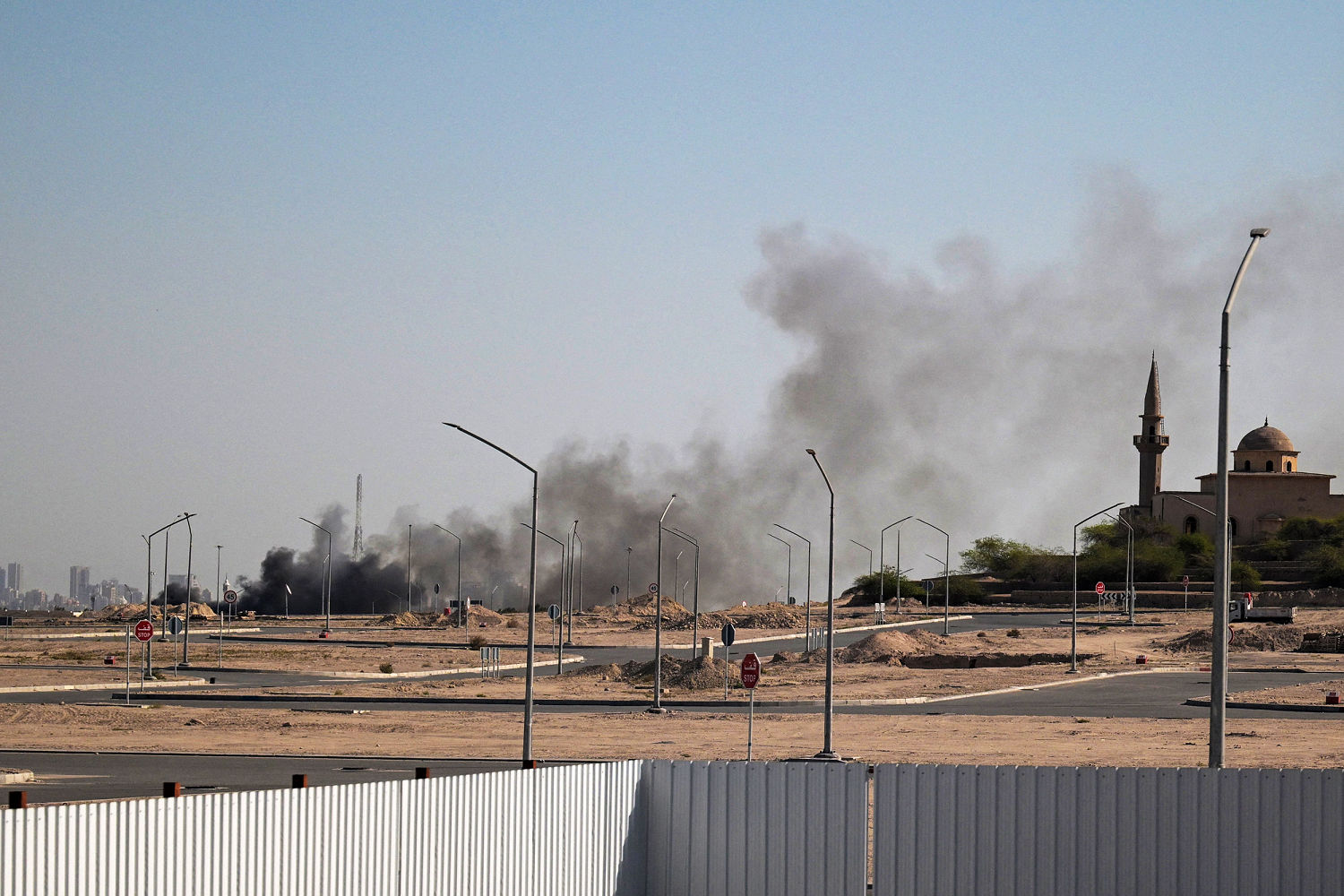
I've seen plenty of travelers venting on social media about being "stuck," but look at the context. On February 28, the US and Israel launched strikes into Iranian territory. Iran hit back at US bases in Bahrain and Kuwait. Even Saudi Aramco facilities at Ras Tanura were targeted by drones. In an environment where a civilian jet could be misidentified by a nervous air defense battery—think back to the tragedy of Ukraine International Airlines Flight 752—canceling these flights is the only sane move. Further insights regarding the matter are explored by The Points Guy.
Why Jeddah is the only exception
Here's a weird bit of nuance you won't find in most headlines: not every Saudi flight is grounded. If you're heading for the Umrah pilgrimage in Jeddah, you might actually be okay. Airport authorities at Soekarno-Hatta and other major hubs have confirmed that direct flights to Jeddah operated by Saudia are largely continuing.
Why? Because the flight paths from the west (and some from the far south) don't necessarily have to cross the high-risk "Mosaic Defence" zones that Iran is currently lighting up. The airline is effectively carving out a narrow "safe corridor" for religious travelers while sacrificing its commercial business in the Gulf. It's a calculated risk, but it shows they're trying to keep the Kingdom's most important spiritual gateway open even as the rest of the region's air travel collapses.
The massive ripple effect on global hubs
Don't think this only affects people in Riyadh or Dubai. This is the biggest aviation shock since the 2020 lockdowns. When Saudia pulls out of eight major cities, it breaks the connection for thousands of passengers trying to get from London to Manila or New York to Mumbai.
Major players like Emirates, Etihad, and Qatar Airways are in the same boat. They've canceled thousands of flights over the last 72 hours. Even if your airline says they’re "resuming limited operations," don't bet your house on it. Airspace over Iraq, Syria, and Lebanon is a mess. EASA (the European Union Aviation Safety Agency) has issued a "Conflict Zone Information Bulletin" warning all operators to avoid the entire region. When the regulators say "don't go," and the national carrier of Saudi Arabia says "we're out," you should probably stay home.
Your rights when the sky is falling
Airlines love to use the "extraordinary circumstances" card to avoid paying you compensation. In this case, they're actually right. A regional war involving three of the world's most powerful militaries is the definition of an extraordinary circumstance. You aren't going to get that €600 EU261-style payout for a delay.
However, you aren't totally screwed. Saudia and its competitors are offering three main paths:
- Full Refunds: Most carriers are processing these, though expect "digital traffic" to slow down the process.
- Free Rescheduling: You can push your trip to later in March or April without paying the change fee, though you'll still have to pay the fare difference if the new flight is pricier.
- Credit Shells: They'll hold your money for future travel. Honestly, take the refund if you can. Cash is better than a voucher when nobody knows when the next missile might fly.
Check your status before you leave for the airport
It sounds like basic advice, but people still show up to terminals hoping for a miracle. They end up sleeping on benches in Terminal 3 because they didn't check their email. Saudia is supposedly notifying passengers directly, but their systems are overwhelmed.
Don't wait for them to call you. Use a real-time tracker like FlightAware or the airline's official app. If your city is on that list of eight, your flight is gone. Period.
If you're currently stranded in the Gulf, the Saudi Ministry of Interior has designated a specific hotline—992—to assist GCC citizens and travelers caught in the crossfire. Use it. This isn't a normal weather delay; it's a geopolitical crisis that isn't showing signs of cooling off before the March 4 deadline.
Stop waiting for a "resumption" notice and start looking at alternative routes through North Africa or long-haul reroutes that bypass the Middle East entirely. If you're in India or Europe, you might be better off flying over the North Pole or via Southeast Asia, even if it adds ten hours to your trip. Right now, a ten-hour detour is a lot better than a three-day wait in a terminal.