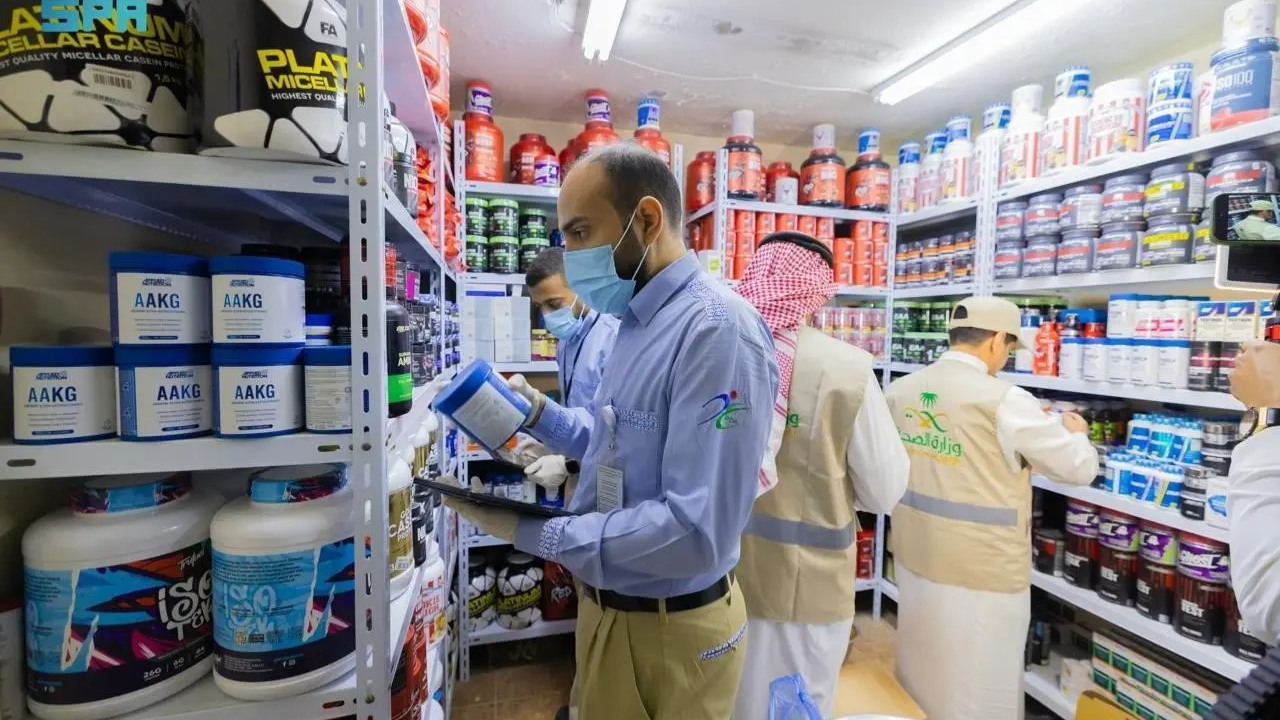
Saudi authorities aren't playing games with the fitness industry anymore. If you've spent any time in local gyms lately, you've probably heard the whispers about trainers offering "special" shortcuts to get shredded or bulk up fast. Well, those whispers just turned into a loud bang as the Saudi Zakat, Tax and Customs Authority (ZATCA), alongside the Ministry of Health, dismantled a massive illegal fitness drug racket. This wasn't just some small-time operation. It was a coordinated effort that resulted in the detention of several gym trainers who thought they were above the law.
They got caught. And honestly, it was about time.
The operation targeted the smuggling and distribution of anabolic steroids, growth hormones, and other banned substances that have been flooding the local market. These aren't just vitamins. We're talking about prescription-grade pharmaceuticals being sold by people with zero medical training. The crackdown sends a clear message. The Saudi government is prioritizing public health over the profits of "underground" fitness gurus.
The dangerous reality of the gym drug trade
For years, a segment of the fitness community has treated steroids like they're as harmless as protein powder. They aren't. When Saudi authorities bust an illegal fitness drug racket, they're protecting people from more than just a fine. They're preventing heart failure, kidney damage, and severe hormonal imbalances.
The trainers involved in these rings often use their positions of trust to manipulate young, impressionable lifters. You walk in wanting to look like a fitness influencer, and your trainer tells you that "supplements" are the only way. Except these supplements aren't on the shelves at your local health store. They're coming out of the trunk of a car or a hidden locker.
The SFDA (Saudi Food and Drug Authority) has strict regulations for a reason. Every substance brought into the Kingdom must be tested and approved. These trainers bypassed all of that. They were selling products with no quality control, likely manufactured in unsanitary labs abroad. You don't know what's in that vial. It could be heavy metals. It could be oil meant for something else. It's a massive gamble with your life.
How the racket operated behind closed doors
You'd think an illegal drug ring would look like a movie. It doesn't. It looks like a friendly guy in a tank top giving you "advice" between sets of bench press. These trainers built networks. They'd use social media—mostly encrypted apps—to coordinate shipments and sales.
The authorities used a mix of digital surveillance and physical stings to catch them. ZATCA has become incredibly efficient at spotting anomalies in shipments at the borders. They tracked the flow of these substances from the ports right to the gym floor. When the raids happened, they didn't just find a few bottles. They found caches of illegal drugs worth hundreds of thousands of riyals.
Detaining trainers is a strategic move. It cuts off the point of sale. If you remove the person pushing the product, the demand gets harder to satisfy. It also serves as a warning to every other trainer in Riyadh, Jeddah, or Dammam. If you're acting as a pharmacy without a license, your career is over.
The health risks they don't tell you about
Let's get real for a second. The guys selling these drugs don't care about your long-term health. They care about their commission. When you inject or ingest these black-market drugs, you're inviting a host of problems.
- Cardiovascular strain: Steroids thicken the heart walls. That leads to strokes and heart attacks, even in guys in their 20s.
- Liver toxicity: Oral steroids are notoriously hard on the liver.
- Psychological shifts: "Roid rage" isn't a myth. It's a chemical-induced lack of impulse control.
- Hormonal shutdown: Your body stops making its own testosterone. Once you stop the drugs, you crash. Hard.
The Ministry of Health has seen an uptick in gym-related complications in ERs across the country. That's what triggered this. This wasn't a random check. It was a response to a growing health crisis that many people were trying to keep quiet.
Why the shortcut isn't worth the risk
Everyone wants results yesterday. I get it. But the "shortcut" offered by these trainers is a trap. You might gain 10kg of muscle in a few months, but you're also risking permanent hair loss, severe acne, and infertility. Is a slightly bigger bicep worth never being able to have kids? Or having to take hormone replacement therapy for the rest of your life?
The Saudi fitness scene is booming. We have world-class facilities and incredible athletes. We don't need this black market filth. The authorities are trying to clean up the "bro-science" culture that says you need Vitamin S to be successful.
It's also a legal nightmare. In Saudi Arabia, the penalties for distributing these substances are severe. We're talking prison time and heavy fines. The trainers currently in detention are finding that out the hard way. They've traded their whistles and stopwatches for handcuffs.
Spotting the red flags in your gym
If you're training, you need to be smart. If a trainer offers you something that isn't in an original, sealed container with an SFDA approval sticker, walk away.
- Does the trainer insist on "private" conversations about your diet and supplements?
- Are they selling pills or vials with no labels?
- Do they claim to have a "doctor friend" who supplies them?
- Are they pushing you to see results faster than naturally possible?
If the answer is yes, they're likely part of the problem. Don't let your ambition blind you to the danger. The Saudi authorities are doing their part by busting these rackets, but the responsibility also falls on us. We have to stop buying this stuff.
Moving toward a cleaner fitness culture
The end of this specific racket is a win, but the fight isn't over. Expect more inspections and stricter oversight of gym staff certifications. The government wants to ensure that when you pay for a trainer, you're getting an expert in movement and nutrition, not a drug dealer in a tracksuit.
Check your sources. Use the SFDA's "Tameni" app to verify any supplements you're taking. If it’s not registered, don’t put it in your body. Focus on the basics: sleep, high-quality protein, and consistent effort. It's slower, sure. But you won't end up in a hospital bed or a police station.
Stop looking for the magic pill. It doesn't exist, and the people selling it are currently sitting in a cell for a reason.