A Russian military transport plane just slammed into the ground in Crimea. 29 people are dead. The Russian Defense Ministry confirmed the numbers, but the official story already feels like it’s missing pieces. When an Il-76—a massive four-engine workhorse—falls out of the sky in a combat zone, it's never just a "technical failure" or "pilot error" without a massive side of geopolitical tension. You've got 29 families destroyed and a military hardware gap that Russia can't easily fill right now.
The crash happened during a routine flight, or so they say. But in Crimea, nothing is routine anymore. The peninsula has become a giant target. Whether it was a mechanical breakdown or something more sinister, this loss hits the Kremlin where it hurts. They don't just lose the airframe; they lose the specialized crew and the cargo that was likely headed to the front lines.
The Il-76 is Falling Apart Under Pressure
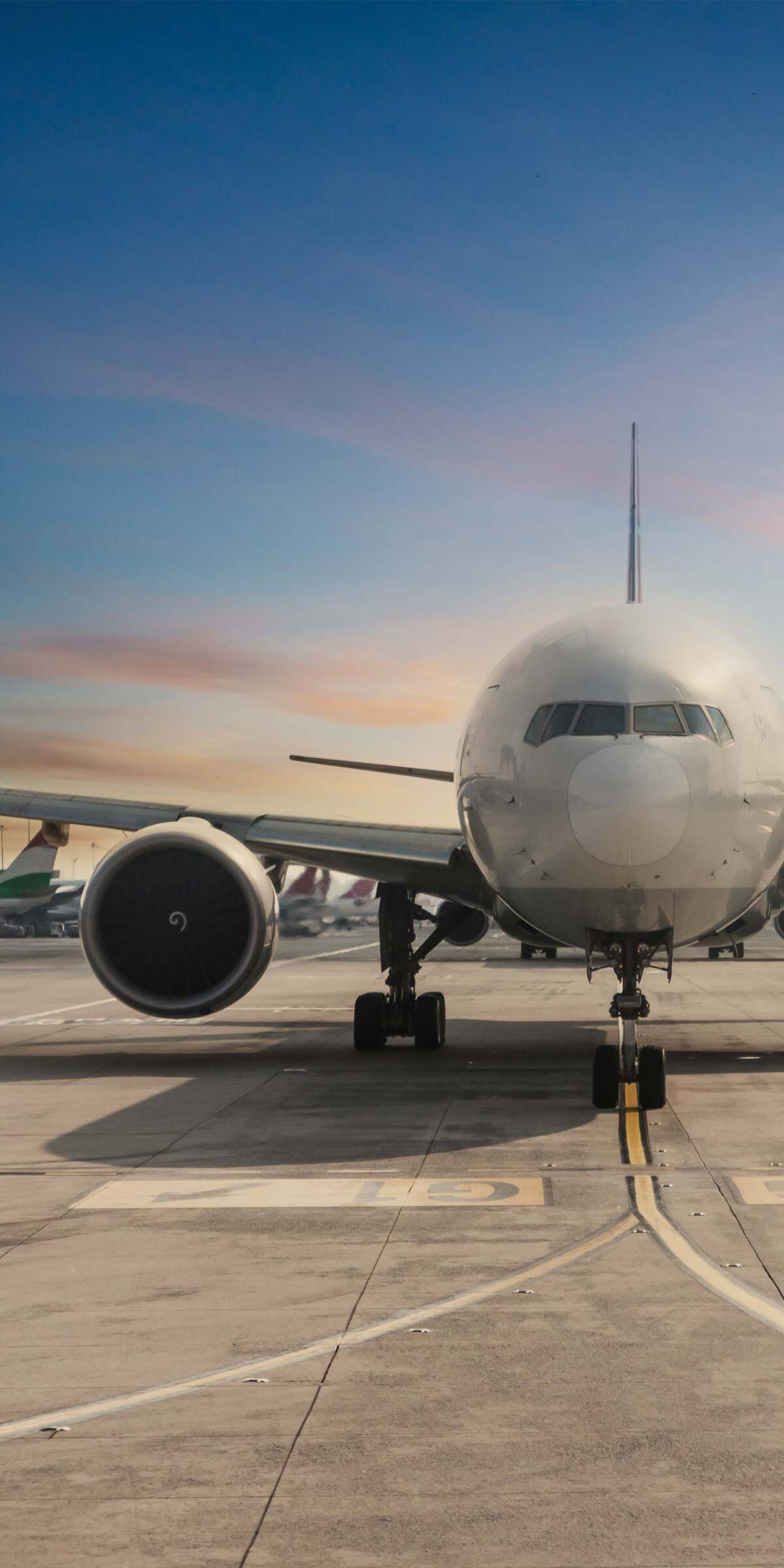
The Ilyushin Il-76 isn't a new toy. It's a Soviet-era design that’s been the backbone of Russian logistics for decades. It's built to be tough. It's meant to land on dirt strips and carry tanks. So why did this one fail?
Military experts point to two main possibilities. First, the maintenance cycles on these planes are being pushed to the breaking point. Russia's transport fleet is flying more hours than ever before. Parts are scarce. Sanctions might not stop every chip or bolt, but they slow down the high-end sensors and engine components needed to keep these giants safe. When you skip a check-up on a plane carrying 29 people, physics eventually catches up with you.
Second, there’s the "external influence" factor. The Defense Ministry is quiet on whether Ukrainian activity played a role. We know Ukraine has been aggressive with long-range drones and clandestine missile strikes across Crimea. If a MANPADS or a sophisticated S-300 system—potentially even a friendly fire incident—clipped this plane, the Russian government isn't going to admit it immediately. They’d rather blame a rusty engine than admit their air defense is leaky.
Why 29 Deaths Change the Narrative
Early reports often lowball casualty numbers. 29 is a specific, heavy figure. It suggests the plane wasn't just carrying a skeleton crew. You don't need 29 people to fly an Il-76. You need about five to seven. The rest? They were likely technicians, specialized operators, or high-ranking officers being ferried between bases.
Losing 29 personnel in a single non-combat event—if we believe the "crash" label—is a PR nightmare. It signals to the Russian public that even the "safe" areas like rear-guard Crimea are deadly. It creates a vacuum of expertise. You can build another plane eventually, but you can't replace 29 trained military minds overnight.
Honestly, the optics are terrible for Moscow. Every time a transport goes down, the logistical chain kinks. Supplies don't move. Troops don't get rotated. The friction of war gets a little bit more intense.
The Geography of the Crash Site
Crimea is a fortress, but it’s a fortress with a lot of holes. The crash happened in a region heavily monitored by both Russian radar and Western intelligence assets. Don't think for a second that NATO wasn't watching this on satellite or ELINT (Electronic Intelligence).
If the plane stayed on its flight path and then suddenly dropped, it points to a catastrophic structural failure—think wing snap or total engine fire. If it deviated or dropped flares before the impact, someone was shooting at it. Local witnesses often provide the best clues, but in Crimea, those voices are quickly muffled by security services. We’re left looking at grainy Telegram videos of smoke plumes and charred debris.
Logistics are the Real Casualty
People focus on the fire and the tragedy, but the real impact is on the "Iron Flow." Russia relies on these planes because the Kerch Bridge is vulnerable. If you can't trust your transport planes to stay in the air, you have to move everything by rail or sea. Both are slower. Both are easier to track.
This crash forces the Russian Air Force to ground other Il-76s for "inspections." That’s standard protocol. Even a 48-hour grounding ripples through the entire supply chain. It’s a win for Ukraine without them even having to pull a trigger, assuming they didn't.
What Happens in the Next 48 Hours
Watch the Russian state media closely. If they start talking about "heroic pilots" who steered the plane away from residential buildings, they're trying to pivot the story away from why the plane fell in the first place. It’s a classic deflection tactic.
The investigation will be handled by the military, which means we’ll see exactly what they want us to see. No independent flight recorders will be analyzed by international bodies. We’ll get a sanitized report blaming a "bird strike" or a "freak weather event."
Keep an eye on the following signs:
- Sudden shifts in air defense battery placements around Crimean airfields.
- A decrease in heavy transport sorties over the next week.
- Any "retaliatory" strikes by Russia on Ukrainian airfields, which usually signal they’re mad about a specific loss.
This isn't just a plane crash. It’s a symptom of a military stretched too thin, flying old gear in a high-threat environment where "accidents" are rarely accidental. Russia is losing the ability to move safely within its own claimed territory, and that's a problem no amount of propaganda can fix. Pay attention to the tail numbers of the remaining fleet; the Russian airlift capability is shrinking one disaster at a time.